
Unbiased headlines. Facts, not spin.
Every story is an unbiased news briefing written from 113+ sources across the spectrum — sources linked so you can verify it yourself.
 finance
Major Story (8/10)
Event date: October 1, 2026
finance
Major Story (8/10)
Event date: October 1, 2026
Fed Vice Chair Jefferson and NY Fed's Williams Signal October Rate Pause as Internal Split Widens
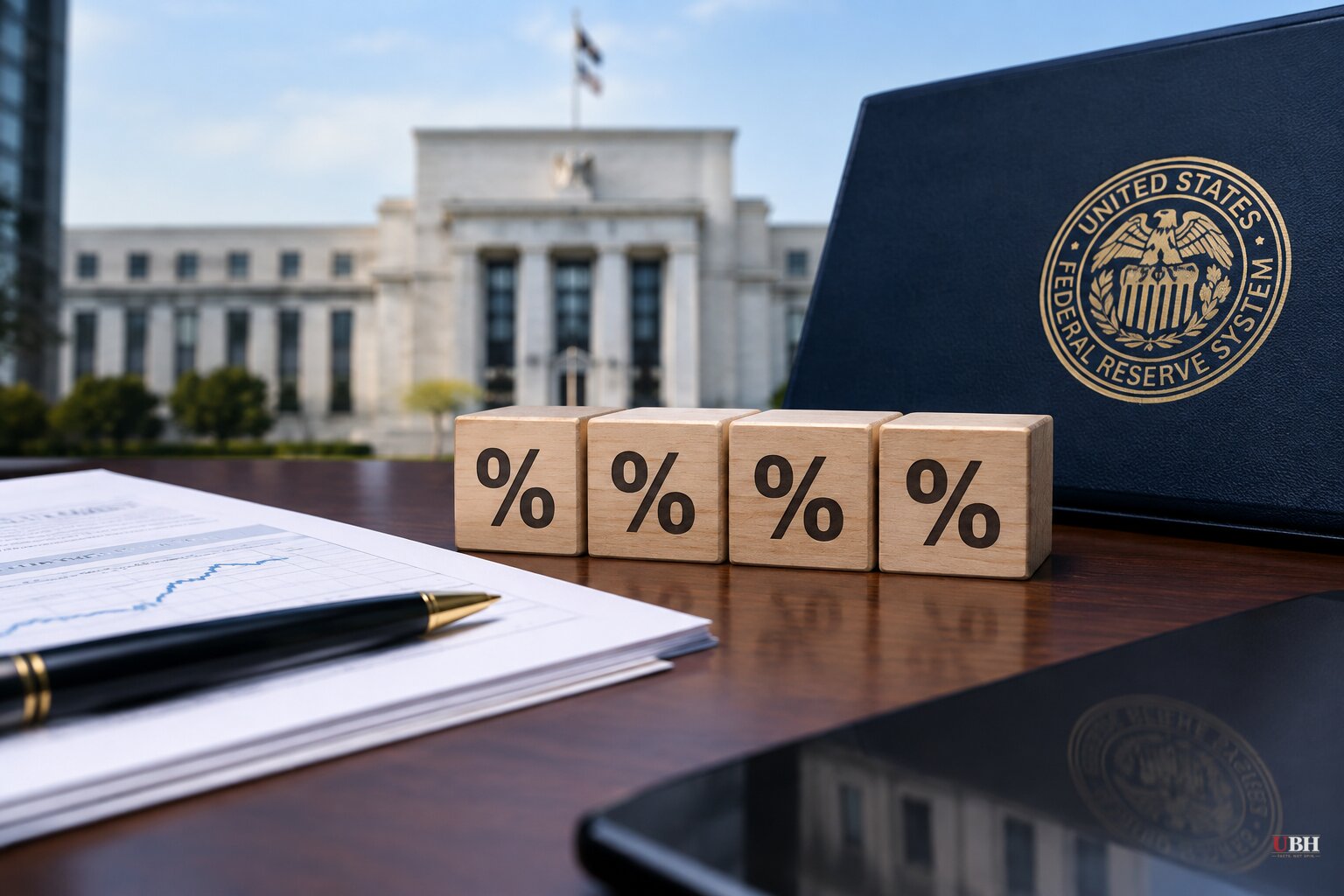
Since the Federal Reserve's first rate hike in three years on September 16, which lifted the federal funds rate to a range of 3.75% to 4%, the central bank has split into visible camps over what comes next at the October 27-28 meeting.
Fed Vice Chair for monetary policy Philip Jefferson told reporters, as reported by the Financial Times and relayed by Traders Union, that the Fed needs more time before deciding on another increase. Jefferson pointed out that Treasury yields have kept climbing since the September meeting, a reference to the run-up already pushing 10-year yields to their highest levels since 2002, as covered in this outlet's reporting yesterday. He said policymakers will form their own judgment on whether tighter policy is still warranted, and that the process will take time.
New York Fed President John Williams struck a similar note, according to BigGo Finance, saying an additional hike by year-end "could be appropriate" but that there is "no need to rush." Williams made the remarks at a university in Buffalo.
Minneapolis Fed President Neel Kashkari delivered a different message. Kashkari told the Council on Foreign Relations he still expects one more hike this year and another in 2027, calling the September rate-path projections "a snapshot in time" that could shift. "My fundamental take on the inflation data is that inflation is still too high," Kashkari said, according to BigGo Finance.
The market has been whipsawed by the mixed signals. CME futures data cited by Traders Union showed the implied probability of an October hike falling from over 60% to 33% after Jefferson's comments. BigGo Finance reported that probability bounced back to roughly 50% following Williams's remarks, underscoring how unsettled the rate outlook remains barely a month out from the next FOMC decision.
Citi, in a note dated September 24 and reported by Bloomingbit, expects the Fed to hold rates steady at both the October and December meetings, arguing policymakers need time to see how September's hike filters through the economy. Citi does not expect the Fed to resume cutting until June 2027, and only if inflation keeps easing.
Fed Governor Lisa Cook added her own voice at a North Carolina conference, saying, according to FXStreet, that inflation "has been too long" above target and that she remains committed to the 2% goal while preserving labor market strength. Her comments came after August headline and core PCE figures came in unchanged from the prior month and below forecasts, data that FXStreet noted barely moved rate-hike odds at the time.
The case for caution, and the case for one more hike
The hawkish argument, made plainly by Kashkari, is that both CPI and PCE inflation sit well above the Fed's 2% target, with the Fed's own Summary of Economic Projections putting 2026 PCE at 3.7%. Job gains have kept pace with the labor force and the unemployment rate has barely moved, meaning the economy can likely absorb another quarter-point increase without breaking.
The case for holding, made by Jefferson and Williams, is that financial conditions are already tightening on their own. Treasury yields have surged to 2002-era highs and the bond market just posted its worst quarter since 1994, according to prior reporting in this outlet. A Fed hike on top of that market-driven tightening risks overdoing it before policymakers can see how September's increase actually plays out in spending and hiring data.
President Donald Trump has pushed publicly for the opposite of either camp, writing on Truth Social after the September hike that rates "should be 1%, or less," arguing America's creditworthiness justifies ultra-low borrowing costs. Fed Chairman Kevin Warsh and the full FOMC voted 12-0 for the hike anyway, and nothing in the record since shows the Fed has moved toward the president's position.
The unresolved question is which Fed camp wins out on October 28. A hold would validate Citi's call and give the bond market room to stabilize after its worst stretch in three decades. Another hike would mark the second increase in two months and, per Kashkari's own framing, keep the door open for a third next year. Markets will get more data, including fresh PCE and employment reports, before the FOMC gavel comes down in four weeks.
Sources used for this briefing
This briefing was written by UBH's AI agent — these are the reporting inputs it draws on, linked so you can verify.


