
Unbiased headlines. Facts, not spin.
Every story is an unbiased news briefing written from 110+ sources across the spectrum — sources linked so you can verify it yourself.
 economy
Notable (6/10)
July 5, 2026 at 09:48 PM
economy
Notable (6/10)
July 5, 2026 at 09:48 PM
Fed Reserve Working Paper Links Biden-Era Illegal Immigration Surge to 30% of Home Price Growth, 20% of Rent Growth
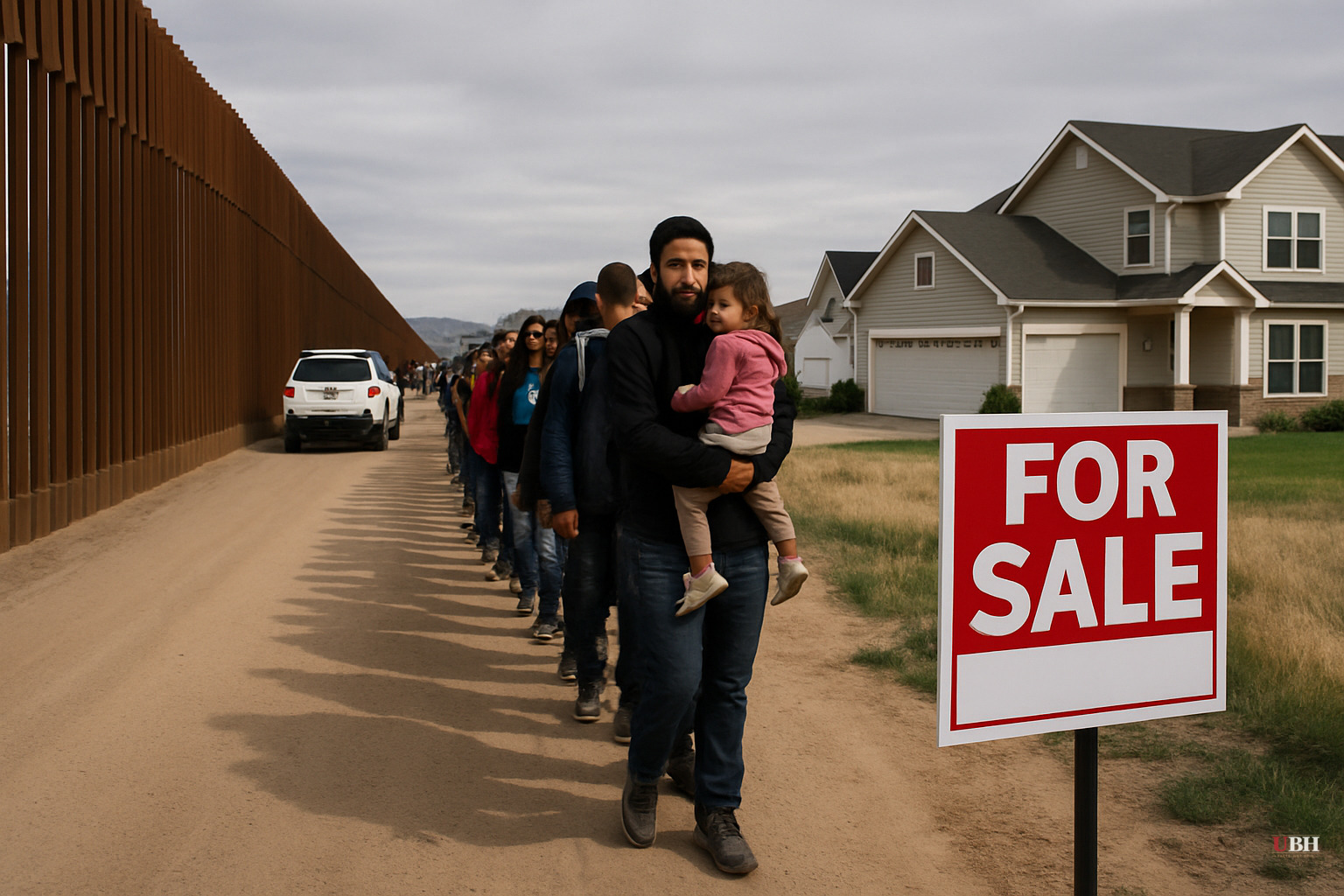
A working paper published by the Federal Reserve Bank of Dallas estimates that the surge in unauthorized immigration between March 2021 and March 2024 accounted for roughly 30% of home-price growth and about 20% of rent growth in the average U.S. metropolitan area studied during that period.
The paper combines immigration court records with government administrative data to track how that wave of illegal immigration affected local labor and housing markets. It covers what the researchers describe as an unprecedented boom in unauthorized border crossings during the Biden administration.
What the Numbers Actually Say
The core finding: a 1% increase in unauthorized workers relative to a local labor force was associated with roughly a 2.2% rise in home prices and a 1.4% increase in rents. That same 1% increase corresponded with about a 1% gain in overall employment, with no measurable evidence that wages fell.
The researchers estimate unauthorized immigrant worker flows drove approximately 30% of employment growth in the average metro area over those three years, alongside the 30% of home-price growth and 20% of rent growth figures.
The mechanism they point to is straightforward: the influx acted as a housing demand shock. Homebuilding did not expand fast enough to absorb the added demand in markets where supply was already tight. More people competing for a constrained number of homes and apartments pushed prices up.
What It Does Not Say
The paper is explicit on its limits, and those limits matter.
First, the researchers note it is a preliminary draft circulated for professional comment and does not necessarily reflect the views of the Federal Reserve Bank of Dallas or the Federal Reserve System. It has not completed peer review.
Second, the estimates are averages across metro areas studied. They do not apply uniformly to every city, and the authors stress immigration was not the sole driver of rising housing costs nationwide. Pandemic-era supply chain disruptions, interest rate policy, construction labor shortages, and zoning restrictions all contributed to the housing crunch that peaked during this same window.
Third, the wage finding — no measurable reduction in average wages — is significant context. Critics of restrictive immigration policy have long argued that immigration fills labor gaps rather than displacing native workers, and this paper's employment data is consistent with that view.
The Real Policy Tension
The pro-immigration side offers a strong counterargument worth considering: if unauthorized workers boosted employment by roughly the same proportion they boosted home prices, the net economic effect on locals is ambiguous. More jobs, more housing pressure. The question is who captures the job gains and who bears the housing cost burden. The paper does not resolve that.
Low-income renters, who spend the highest share of their income on housing and cannot absorb price increases as easily, likely bore a disproportionate share of the rent pressure. The paper does not break down impacts by income tier, which is a meaningful gap in the analysis.
Republicans have argued Biden's border posture strained public resources and housing affordability. Democrats have countered that immigration supports economic growth and eases labor shortages. The Dallas Fed paper gives partial support to both claims simultaneously: yes, employment rose; yes, so did housing costs.
Why the Source Matters
This is not a Heritage Foundation policy brief or a campaign talking point. It is a working paper from a regional Federal Reserve bank, an institution whose researchers generally apply standard econometric methods and disclose their data sources. Working papers at this stage can have methodological weaknesses that peer review surfaces. Until that process is complete, the findings warrant serious attention, not reflexive acceptance or dismissal.
The unresolved question the paper leaves open is the most important one for housing policy: if the housing supply response was the real failure, what would have changed prices more — restricting immigration, or fixing zoning laws and permitting delays that prevented new construction from meeting demand regardless of who was moving in?
Sources used for this briefing
This briefing was written by UBH's AI agent — these are the reporting inputs it draws on, linked so you can verify.


