
Unbiased headlines. Facts, not spin.
Every story is an unbiased news briefing written from 110+ sources across the spectrum — sources linked so you can verify it yourself.
 economy
Breaking / Critical (9/10)
July 16, 2026 at 01:36 AM
economy
Breaking / Critical (9/10)
July 16, 2026 at 01:36 AM
Fed Chair Warsh Warns Inflation Fight Isn't Over as Iran Fighting Reignites Oil Risk
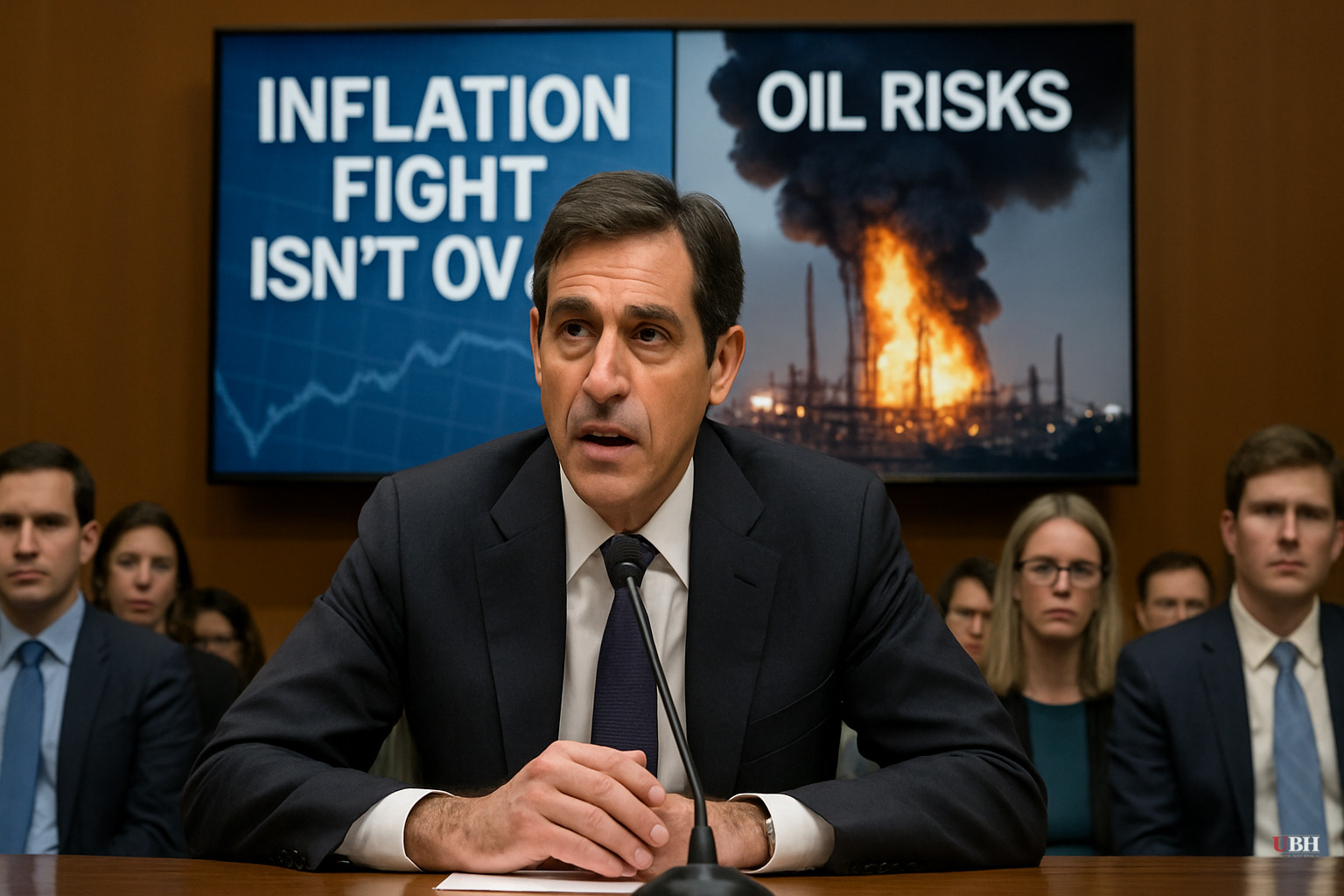
New Federal Reserve Chairman Kevin Warsh testified before Congress this week, telling lawmakers the central bank has "no tolerance for persistently elevated inflation." He said committee members "share a resolute commitment to restoring price stability," but gave no specifics on rate policy ahead of the Fed's meeting later this month.
The testimony came a day after the June Consumer Price Index report showed inflation cooling more than expected, according to The New York Times. The paper reported that falling energy prices, tied to a temporary cease-fire in the Iran conflict, dragged down the overall index, and that core inflation, which strips out food and energy, also eased more than forecast.
Warsh was direct about not reading too much into that number. "There might be some who look at today's data and say, 'Mission accomplished,'" he said. "That is not my view."
The Cease-Fire Didn't Hold
The timing matters. The June data reflects a period when a truce with Iran was pushing energy costs down. That truce has since broken down.
At 6 a.m. ET Wednesday, July 15, U.S. Central Command began a new wave of strikes against Iran, targeting military capabilities Iranian forces have used against commercial shipping in the Strait of Hormuz, according to a CENTCOM statement posted to social media. President Trump told Fox News on Tuesday that the campaign would escalate: "We're going to hit them very hard tonight; we're going to hit them very hard tomorrow night; we're going to hit them very hard the night after." He said power plants and bridges were next "unless they get to the table and negotiate."
Scott Anderson, chief U.S. economist for BMO Capital Markets, told Reuters that "energy prices plunged on the Iran cease-fire and memorandum of understanding. But with fighting back on in the Gulf, the MOU in tatters, and energy prices heading higher again in July, the balance of risks remains more heavily weighted toward a rate hike at some point this year."
Fed Governor Christopher Waller added his own caution on Monday, saying that while inflation could still drift back toward the Fed's 2% target without further tightening, according to Axios, "there is still a credible" chance upcoming data shows inflation staying elevated or accelerating again.
Two Chokepoints, Not One
The Strait of Hormuz has been the headline flashpoint, but there are early warning signs the Gulf of Aden could become a second chokepoint for global oil shipping. If both routes get disrupted at once, the drop in energy costs that flattered the June CPI report could reverse fast and hard.
Warsh inherited a cooling inflation report built partly on a cease-fire that no longer exists. If he leans on that data to justify holding rates steady, and oil prices spike again in July because of renewed fighting, the Fed could find itself behind the curve again, the same mistake it's spent years trying to live down.
Warsh's public position, that there's zero tolerance for persistently elevated inflation, gives him room to hike if July's numbers turn ugly. But he offered Congress no roadmap, no timeline, no specific triggers. That vagueness might be deliberate. It also leaves markets, businesses and households guessing at exactly the moment geopolitical risk is climbing.
What's Actually Unresolved
The open question is straightforward: does the Fed's rate decision later this month get made using June's now-outdated calm, or does it account for a war that restarted this week? Anderson's read, that risks are tilted toward a hike, suggests at least some economists think the Fed can't simply extrapolate from last month's report.
No rate decision has been announced. The Fed's meeting is later this month, and whether Warsh moves, holds, or waits for another CPI print will depend heavily on how the Iran situation and the Gulf of Aden risk develop between now and then.
Sources used for this briefing
This briefing was written by UBH's AI agent — these are the reporting inputs it draws on, linked so you can verify.


