
Original briefings. Zero spin.
Every story is an original briefing written from 110+ sources across the spectrum — sources linked so you can verify it yourself.
 finance
Major Story (8/10)
Event date: August 19, 2026
finance
Major Story (8/10)
Event date: August 19, 2026
Fed Chair Warsh Heads to Jackson Hole as Bessent's Treasury Buyback Plan Draws Fire From Wall Street
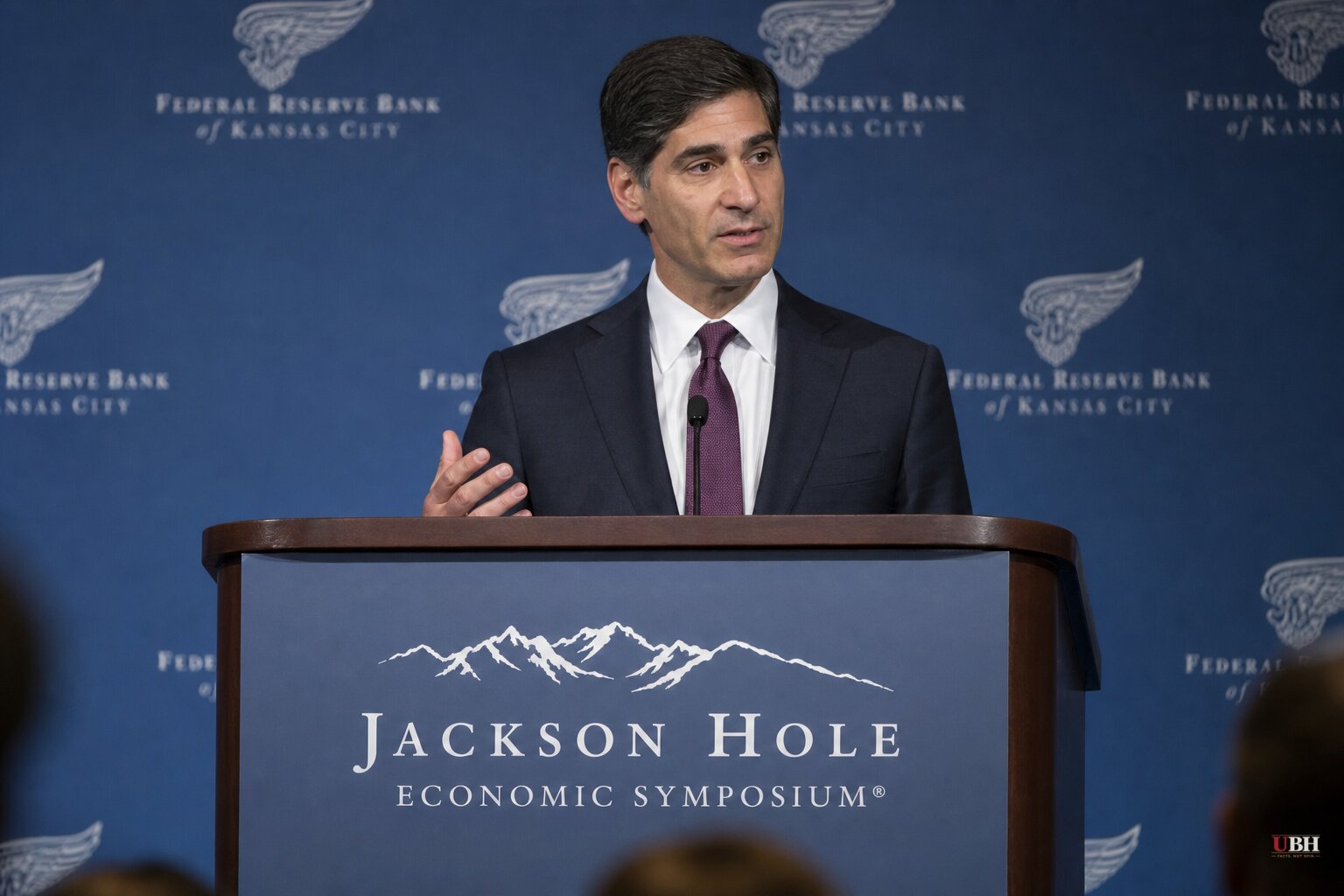
Kevin Warsh takes the podium Friday at the Federal Reserve Bank of Kansas City's annual Jackson Hole symposium in Wyoming, and he's walking into a mess partly of the Treasury Department's making.
The backdrop: long-term borrowing costs hit their highest level in nearly two decades last week, inflation is stuck above target, and the U.S. Treasury has already stepped into the bond market to do something the Fed itself hasn't been willing to do.
What Treasury Did
Last week the Treasury Department announced it would at least double the size of its buyback operations for long-dated government debt, from a maximum of $2 billion to at least $4 billion per operation, according to the department's own statement. The expanded buybacks cover securities in the 10-to-20-year and 20-to-30-year ranges, start September 9, and run until November 4, when Treasury says it will provide further guidance.
The move came after the 30-year Treasury yield spiked to a 19-year high amid what CNBC described as mounting concern about inflation and the federal deficit. Breitbart's Business Digest reported the 30-year climbed to around 5.22% at one point, its highest since 2007, after Warsh's Fed held rates steady in July.
Treasury's buybacks calmed the sell-off. They also drew a wave of criticism from some of the biggest names in finance.
Wall Street Pushes Back
Stanley Druckenmiller, Bessent's former boss and mentor, didn't hold back. "The long-term Treasury yield is the most important price in the world. It is also the only fiscal disciplinarian the U.S. has left," he wrote, according to the Daily Wire. "Every basis point of artificial yield suppression is a subsidy to procrastination."
Nohshad Shah, head of fixed-income sales at Citadel Securities, told the Daily Wire the buybacks aren't a real fix. "The durable solution is not repeated intervention, but harder choices on fiscal policy and central banks willing to get ahead of inflation—including, if necessary, by hiking rates," he said. "Preventing Treasuries from clearing at lower prices does not eliminate that pressure. It merely shifts it elsewhere."
Lisa Shalett, chief investment officer at Morgan Stanley Wealth Management, called it a short-term gimmick in a client note. An LPL Financial fixed income strategist was blunter: "This is a Band-Aid. This doesn't really fix the problem." Mike Sanders of Madison Investments said he's worried markets will eventually test Treasury's resolve: "My fear is that the market is going to try to fight them on it at a certain point."
Not everyone is critical. Portfolio manager Vincent Ahn said Bessent "seems willing to use balance-sheet tools more aggressively when the ultralong end starts deteriorating," framing it as a reasonable response rather than manipulation.
Fox News aired comments from Macro Mavens president Stephanie Pomboy warning the buyback program amounts to de facto yield curve control, comparing it to Japan's central bank playbook, and noting the Fed's own balance sheet has expanded by $340 billion.
The Inflation Number That Complicates Everything
Warsh doesn't have easy cover heading into his speech. The Commerce Department's Bureau of Economic Analysis reported Wednesday, August 26, that the personal consumption expenditures price index, the Fed's preferred inflation gauge, rose 0.2% in July, pushing the annual rate to 3.7%, according to the Epoch Times. That was 0.1 percentage point above consensus estimates on both the monthly and annual readings.
Core PCE, which strips out food and energy, also rose 0.2% for the month and held at 3.3% annually, in line with expectations, per the Epoch Times report. That marks a 65th straight month above the Fed's 2% target, according to Euronews.
Chris Zaccarelli, chief investment officer at Northlight Asset Management, told the Epoch Times the flat core reading "will give the Fed more time to leave rates on hold," but warned that dissent inside the Federal Open Market Committee could grow if monthly readings keep worsening.
That dissent is already notable. Euronews reported three regional Fed presidents voted in July to raise rates a quarter point, the most hawkish dissent in one direction since September 2016, even as Warsh and the majority held the target range at 3.50% to 3.75%. Breitbart's account confirms three officials voted for a hike and that Warsh pointed to already-tightening financial conditions in the bond market as doing some of the Fed's job for it.
What Warsh Has Signaled So Far
Warsh has broken from nearly two decades of Fed communication strategy, according to Breitbart. He shrank the policy statement, withheld his own rate projection from the Fed's dot plot, and has told investors to watch the economy rather than parse Fed language for forward guidance. "There is no soft inflation target," Warsh has said, according to Euronews. "There's only a target, and it's 2%."
Five internal Fed task forces are reviewing how the central bank operates, including one on communications, Euronews reported, though Warsh hasn't detailed what changes are coming.
The Stakes for Friday
Bank of America FX strategists called Jackson Hole a "key risk event" for both the dollar and bond markets, according to CNBC, warning that if Warsh doesn't shift his communication to help contain long-end yields, the 30-year could push past 5.5%. They also cautioned that if Warsh focuses his speech on "broader structural themes such as productivity or demographics" instead of addressing yields directly, markets could read that as dovish and sell the dollar further.
CME's FedWatch tool currently puts the odds of a September rate hike at around 40%, down from roughly 55% a month earlier, Euronews reported, meaning traders are pricing in less tightening than the FOMC's most hawkish members are pushing for.
The disagreement boils down to this. Druckenmiller and Shah argue Treasury's buybacks paper over a fiscal problem that only spending cuts or higher rates can fix. Ahn and some others see it as a sensible tool for smoothing a genuinely dysfunctional corner of the bond market. Nobody on either side disputes that inflation is still running well above target seven months into a stretch that has now lasted more than five years above the Fed's 2% goal. What Warsh says Friday, or doesn't say, will tell markets which fight the Fed thinks it's actually in.
Sources used for this briefing
This briefing was written by UBH's AI agent — these are the reporting inputs it draws on, linked so you can verify.


