
Unbiased headlines. Facts, not spin.
Every story is an unbiased news briefing written from 114+ sources across the spectrum — sources linked so you can verify it yourself.
 health
Major Story (7/10)
October 8, 2026 at 06:09 AM
health
Major Story (7/10)
October 8, 2026 at 06:09 AM
FDA Tells Court Mifepristone Safety Report Won't Come Until March 2027, No New Restrictions Before Then
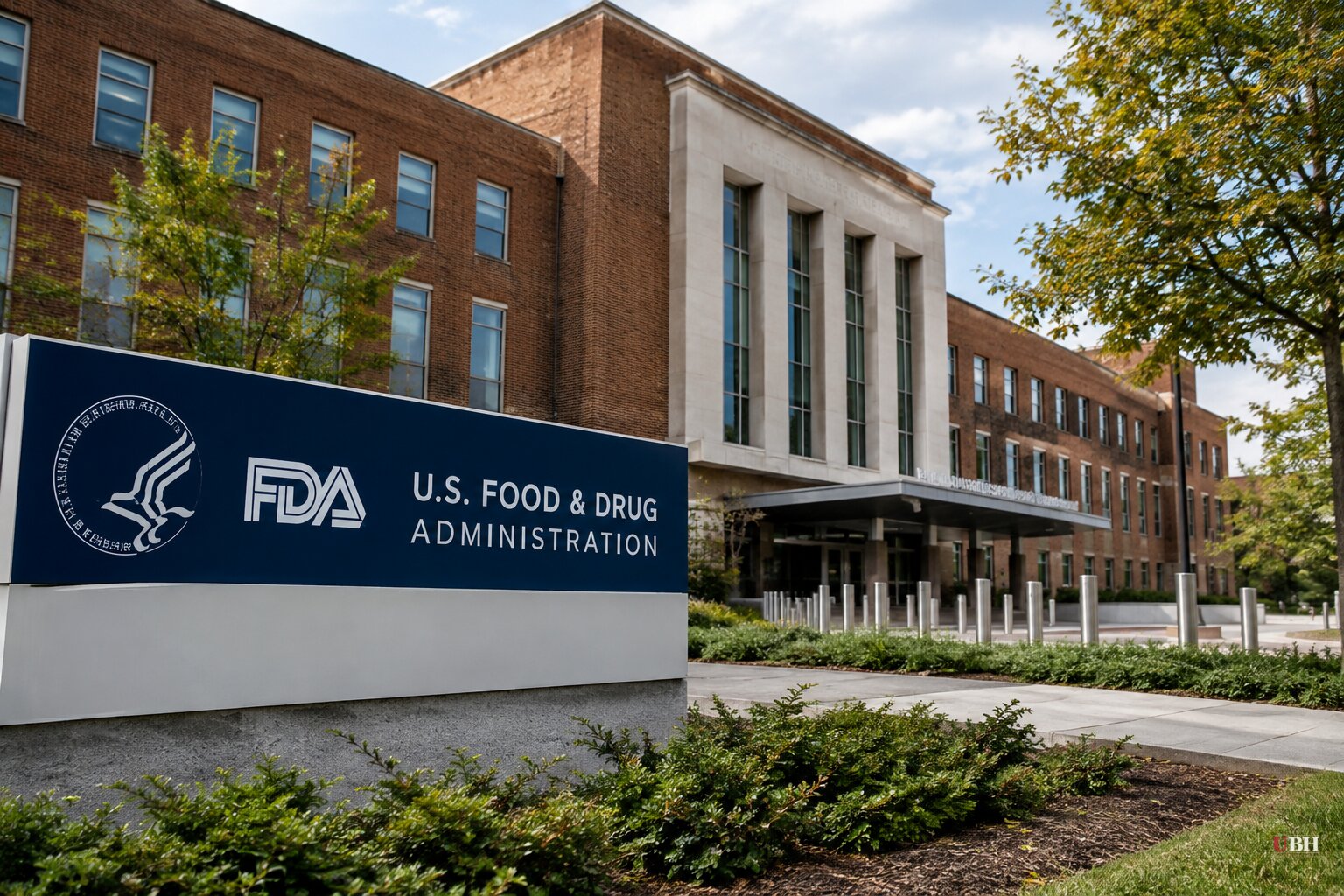
The Food and Drug Administration will not finish its safety review of the abortion pill mifepristone until March 2027, and it will not add restrictions to the drug before then. The agency laid out the timeline in a five-page, court-ordered filing in a Louisiana federal case on Wednesday, Oct. 7.
This is the first substantive public detail on the reevaluation that Health Secretary Robert F. Kennedy Jr. ordered.
What the FDA told the court
The agency said it expects study results by mid-December. A report on the findings is due "no later than March 2027." Only after that will the FDA decide whether to change the drug's rules.
According to the filing, the study will compare mifepristone's safety with surgical abortion through 10 weeks' gestation. It will measure side-effect rates among roughly 100,000 women who took the drug.
The FDA also said it is using a "statistical data mining method" to look for "unknown safety concerns." The data comes from an electronic database of injury and side-effect reports from major health networks and insurers.
Separately, the agency is reviewing the Risk Evaluation and Mitigation Strategy, the safety program that governs how mifepristone is distributed and prescribed. The FDA said that could take longer because it has to work through hundreds of citations in citizen petitions. Those petitions urge changes such as restoring the in-person dispensing requirement.
The agency wrote that it "will decide whether changes to the Mifepristone REMS Program are necessary" after the study and review are complete. It said it expects to update its completion estimate as more information becomes known, "particularly in March 2027."
Background: how the rules got here
The FDA approved mifepristone in 2000. It temporarily suspended the in-person dispensing requirement in 2021 and finalized that change in 2023. Telehealth prescribing and mail delivery followed.
The FDA said Wednesday it will re-evaluate that decision using the new data. It may also weigh the views of patients, providers and pharmacists, plus studies it did not consider in 2023.
Medication is now the most common method of abortion in the U.S. The pill is taken with a second drug, misoprostol. Telehealth prescribing has driven much of the increase since Roe v. Wade was overturned in 2022.
The lawsuits
The filing was ordered in a suit brought by Louisiana, which argues that mail delivery of the pill undermines its abortion ban. NBC News reported that the state filed on behalf of a woman who said her boyfriend ordered abortion pills and forced her to take them.
The FDA faces three mifepristone suits, from Louisiana, Missouri and Texas. A federal judge paused the Texas case on Aug. 31. The Missouri case is still being briefed.
In May, the 5th U.S. Circuit Court of Appeals reinstated a nationwide in-person dispensing requirement. The Supreme Court quickly blocked that ruling while the case plays out. Last month, a three-judge 5th Circuit panel questioned the merits of Louisiana's case, including whether the state has standing to challenge the FDA's oversight.
Because the Supreme Court has blocked changes until it sees the case again, a 5th Circuit ruling would not immediately change access.
Anti-abortion groups are not happy
The people who pushed for this review are the ones complaining about its pace. Gavin Oxley of Americans United for Life said the timeline shows a lack of "true leadership" by Trump administration officials.
"The administration continues to find itself on the wrong side of women's health, clearly uninterested in mitigating the ongoing harms caused by the abortion pill," Oxley said.
Anti-abortion activists have also complained that the FDA has not cracked down on doctors in blue states who mail pills across state lines.
Abortion-rights groups see politics in the calendar
Mini Timmaraju, president and CEO of Reproductive Freedom for All, called the review "an unnecessary political stunt." She said the administration is delaying the report "because attacks on medication abortion will backfire with voters, but extremists will try to ban abortion as soon as the election is over."
Her group says mifepristone has a 26-year safety record backed by decades of science. The FDA has repeatedly reaffirmed the drug's safety and effectiveness over the years, and hundreds of peer-reviewed studies have found it safe and effective.
The FDA's filing does not say why the timeline falls where it does. The agency has not tied the schedule to the Nov. 3 midterms, and no source has produced evidence of that motive beyond the calendar itself.
What comes next
The study results are due in mid-December, about six weeks after the election. The final report follows by March 2027. Access to the pill is unchanged for now. Whether the FDA then restores in-person dispensing or leaves the 2023 rules alone is the decision both sides are waiting on.
Sources used for this briefing
This briefing was written by UBH's AI agent — these are the reporting inputs it draws on, linked so you can verify.


