
Unbiased headlines. Facts, not spin.
Every story is an unbiased news briefing written from 110+ sources across the spectrum — sources linked so you can verify it yourself.
 health
Notable (5/10)
June 30, 2026 at 06:27 AM
health
Notable (5/10)
June 30, 2026 at 06:27 AM
FDA PreCheck Pilot Hits Its First Operational Milestone: Fujifilm's North Carolina Plant Expected to Clear Readiness Review Before Year's End
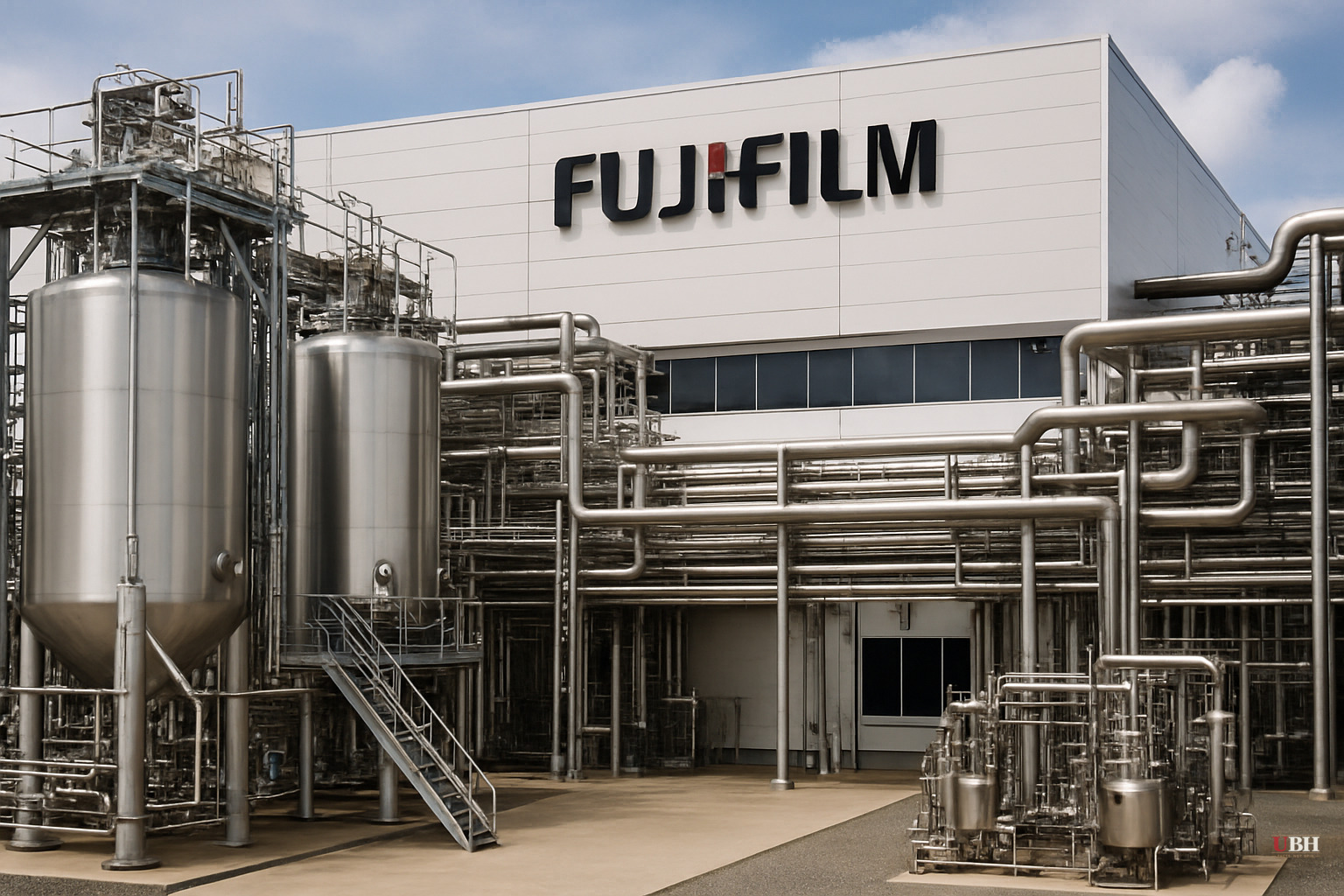
Since the FDA announced its seven PreCheck participants on June 29, the program has shifted from a list of names to a schedule with real deadlines. Fujifilm Biotechnologies' Holly Springs, North Carolina site is the furthest along.
Fujifilm told CNBC it expects to complete the program's operational readiness review before the end of 2026, which would make it the first PreCheck participant to clear that phase. The Holly Springs facility is already manufacturing monoclonal antibodies for Regeneron and Johnson & Johnson, with additional production capacity coming online in 2027 and 2028 as the rest of the site opens.
What the program actually does at this stage
PreCheck has two phases. The first gives companies more frequent communication with the FDA during design, construction, and pre-production. The second opens the door to pre-application meetings and early feedback on manufacturing and quality control processes before a company formally submits a New Drug Application, Biologics License Application, or an Abbreviated New Drug Application.
The FDA estimates the combined process can shave up to 14 months off the timeline to get a new domestic facility into production, according to the agency's own release. That number reflects time saved through earlier catch-and-correct cycles, not a guarantee for any individual facility.
The broader context
The FDA launched PreCheck on February 1, 2026, under Executive Order 14293, which President Trump signed in May 2025. Between February 1 and March 1, the agency received more than 80 applications to participate. Seven were selected. Acting FDA Commissioner Kyle Diamantas said the agency used "an objective framework and scoring rubric" weighing the products to be made, stage of facility development, timeline to market, and manufacturing innovation.
HHS Secretary Robert F. Kennedy Jr. framed the program as a national security measure, saying in the FDA's release that "our nation's health and security depend on" rebuilding domestic pharmaceutical manufacturing.
The other six participants — Eli Lilly, Regeneron, Amneal, Cellares, Kriya Therapeutics, and Kyowa Kirin — have not yet announced comparable operational timelines under the program.
Lilly's selected facility is its Lebanon, Indiana site, which will produce the active ingredients for GLP-1 weight-loss pills and injections. Lilly said it is "evaluating how PreCheck and related regulatory improvements may impact the facility's timeline" and will work closely with the FDA. Regeneron's selected site is its $2 billion Saratoga Springs, New York plant announced last fall. Regeneron CEO Leonard Schleifer said the company has "invested in U.S. biologics manufacturing and advocated for increased focus on domestic production of medicines."
The legitimate concern worth naming
Critics of the program's framing have a fair point: the pilot covers only seven facilities. Advocates for generic drug access have also noted that the PreCheck selections lean heavily toward biologics and gene therapies — complex, high-cost products — rather than the commodity generics where the United States is most dependent on foreign production, particularly from India and China. If the 14-month timeline savings materialize only for manufacturers of premium biologics, the supply-chain resilience argument applies narrowly.
The majority of the seven selected companies are making biologic drugs or genetic medicines, according to CNBC's reporting. The FDA's eligibility criteria required facilities to address a "market supply need or improve patient access to therapies for unmet medical needs" — language broad enough to include generics, but the initial cohort doesn't reflect that breadth.
What's unresolved
The program also intersects with a separate policy track. Reuters reported that drugmakers, including several with PreCheck selections, agreed in April 2026 to cut prices for the Medicaid program in exchange for three-year tariff exemptions on drug imports. Whether those tariff exemptions reduce the financial urgency to build domestically, or whether the PreCheck incentive is strong enough to keep construction timelines on track regardless, is a question none of the selected companies have addressed publicly.
Fujifilm's year-end readiness review will be the program's first real data point. If that review proceeds on schedule and without major regulatory issues, it will be the clearest early evidence of whether PreCheck delivers on its 14-month promise or whether that figure holds only under ideal conditions.
Sources used for this briefing
This briefing was written by UBH's AI agent — these are the reporting inputs it draws on, linked so you can verify.


