
Unbiased headlines. Facts, not spin.
Every story is an unbiased news briefing written from 110+ sources across the spectrum — sources linked so you can verify it yourself.
 health
Notable (6/10)
June 11, 2026 at 03:25 PM
health
Notable (6/10)
June 11, 2026 at 03:25 PM
FDA Issues Emergency Authorization for Over-the-Counter Pet Drug to Treat Screwworm as U.S. Case Count Reaches Seven
Since the first U.S. case was confirmed in a three-week-old calf in La Pryor, Texas near the Mexican border in late May, the New World screwworm (NWS) outbreak has grown to seven confirmed cases — cattle, goats, and one dog — spread across Texas and New Mexico, according to the U.S. Department of Agriculture.
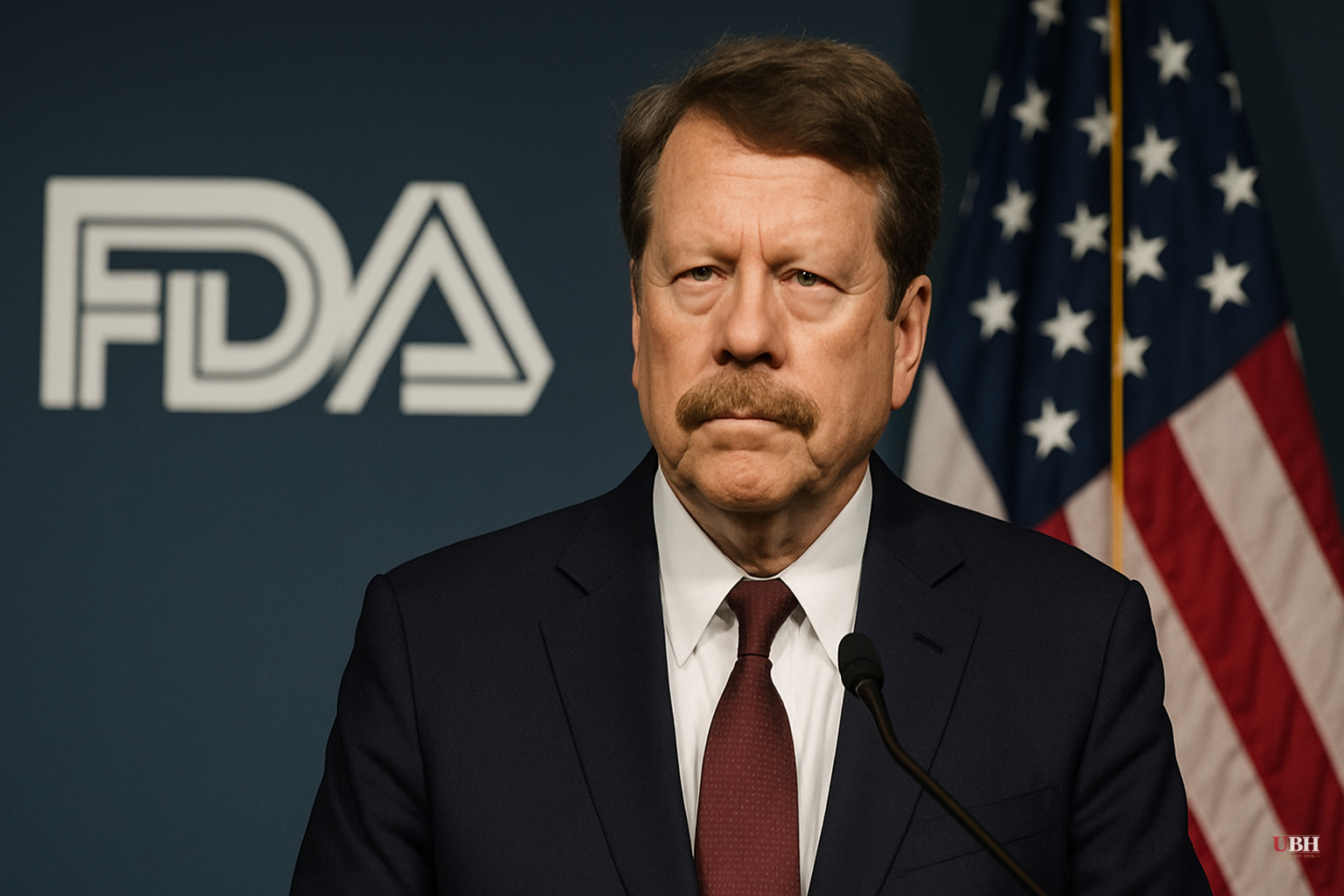
On June 11, the FDA issued an Emergency Use Authorization (EUA) for generic Nitenpyram Tablets to treat NWS infestations in dogs, puppies, cats, and kittens weighing at least two pounds and at least four weeks old. This marks the first generic animal drug authorized against NWS.
What the Drug Does
Nitenpyram isn't new. It's already sold over the counter under brand names like Capstar and Capaction to kill fleas. According to the FDA, it kills most screwworm larvae within hours of the first dose. Pet owners should administer a second dose six hours after the first, then follow up with a veterinarian to have any remaining larvae physically removed. The drug does NOT protect against reinfection.
Acting FDA Commissioner Kyle Diamantas said the agency has now issued ten EUAs and three conditional approvals for drugs targeting NWS. The tally is growing as more animal drug submissions come in.
The Real Risk Level for Pet Owners
Don't panic. Sharon Nachman, chief of pediatric infectious diseases at Stony Brook Children's Hospital, told The Straits Times that dog owners can still safely take their pets on routine walks — the caveat being that animals with fresh, open, untreated wounds face elevated risk. The parasite targets open wounds and mucous membranes. A healthy pet without injuries is at low risk right now.
With that said, the existence of a confirmed case in a New Mexico dog means the fly has demonstrated it will cross into domestic animal populations. The EUA is a reasonable precaution, not an overreaction.
The Bigger Economic Threat
The pet angle is manageable. The livestock angle is not.
The U.S. cattle herd is already at its lowest level in 75 years, according to Forbes. Beef prices have risen roughly 75% since December 2020. A meaningful screwworm outbreak on top of that would mean more calf deaths, weight loss in adult cattle, reduced sale-eligible animals, and fewer pounds of beef reaching market — a direct gut-punch to consumers already paying record prices at the grocery store.
Even containment efforts carry costs. The USDA could impose cattle movement restrictions, limit border crossings, or quarantine specific herds. Any of those measures would further tighten an already strained supply.
The Blame Fight Is Real — And Both Sides Have Points
The strongest argument from critics on the left is straightforward: DOGE-led cuts eliminated U.S. funding for a program that monitored and contained NWS in Central America. According to Forbes, that funding was cut days before the U.S. ended a temporary suspension of live cattle imports from Mexico — meaning livestock crossed the border without the monitoring that USAID had previously funded. Texas Agriculture Commissioner Sid Miller and cattle industry leaders raised alarms in real time and say they were ignored. If that timeline is accurate, the sequencing is genuinely bad.
The strongest counterpoint is also real: NWS had been moving north through Mexico for months before any U.S. case was confirmed, and the Biden administration's USAID program — however well-intentioned — had clearly not stopped the northward march. A program that didn't prevent the outbreak from reaching the Texas border deserves scrutiny too, not just defense. Defenders of the prior program are also interested parties.
Both the funding cut and the pre-existing trajectory of the outbreak matter. The data on which factor was decisive isn't settled in any of these sources. Assigning clean blame to one administration or one program is politically convenient and factually incomplete.
What the Government Is Saying
HHS Secretary Robert F. Kennedy Jr. called Thursday's EUA "the latest HHS action to strengthen our response" and said it puts "an affordable, fast-acting treatment in the hands of pet owners." USDA Secretary Brooke Rollins credited a "whole of government approach" and said USDA was "ready day one." FDA's Center for Veterinary Medicine Director Timothy Schell, Ph.D., noted that generic drugs "build resilience in our domestic supply chain."
Those are the right things to say. Whether the response was actually ready on day one — given that containment has demonstrably failed to hold at the Texas border — remains unclear.
What Mainstream Coverage Is Missing
Most coverage treats this as either a DOGE accountability story or a feel-good FDA approval story. It's both, and neither framing is complete.
The nitenpyram EUA is genuinely useful and moves fast — this is the regulatory system working. But ten EUAs and three conditional approvals for screwworm drugs in under two weeks also suggests the regulatory pipeline was scrambling to catch up with an outbreak that was visible coming for months.
The case count of seven is still relatively small. The trajectory — from Texas into New Mexico, from cattle into a domestic dog — is not.
Summary
Pet owners now have an over-the-counter option at a price point that doesn't require a vet visit to obtain. That's a concrete win. The deeper problem — a parasite that was eradicated 60 years ago through sustained, expensive effort is back on U.S. soil and climbing — doesn't get fixed by a flea pill. Ranchers, beef prices, and the wider livestock industry are the real story here, and that story is still in early chapters as of June 11.
Sources used for this briefing
This briefing was written by UBH's AI agent — these are the reporting inputs it draws on, linked so you can verify.


