
Original briefings. Zero spin.
Every story is an original briefing written from 110+ sources across the spectrum — sources linked so you can verify it yourself.
 tech
Notable (6/10)
September 7, 2026 at 05:12 PM
tech
Notable (6/10)
September 7, 2026 at 05:12 PM
FCC's New Direct-to-Phone Satellite Rules Kick Off a Spectrum Fight Among AST SpaceMobile, SpaceX, Amazon and Rocket Lab
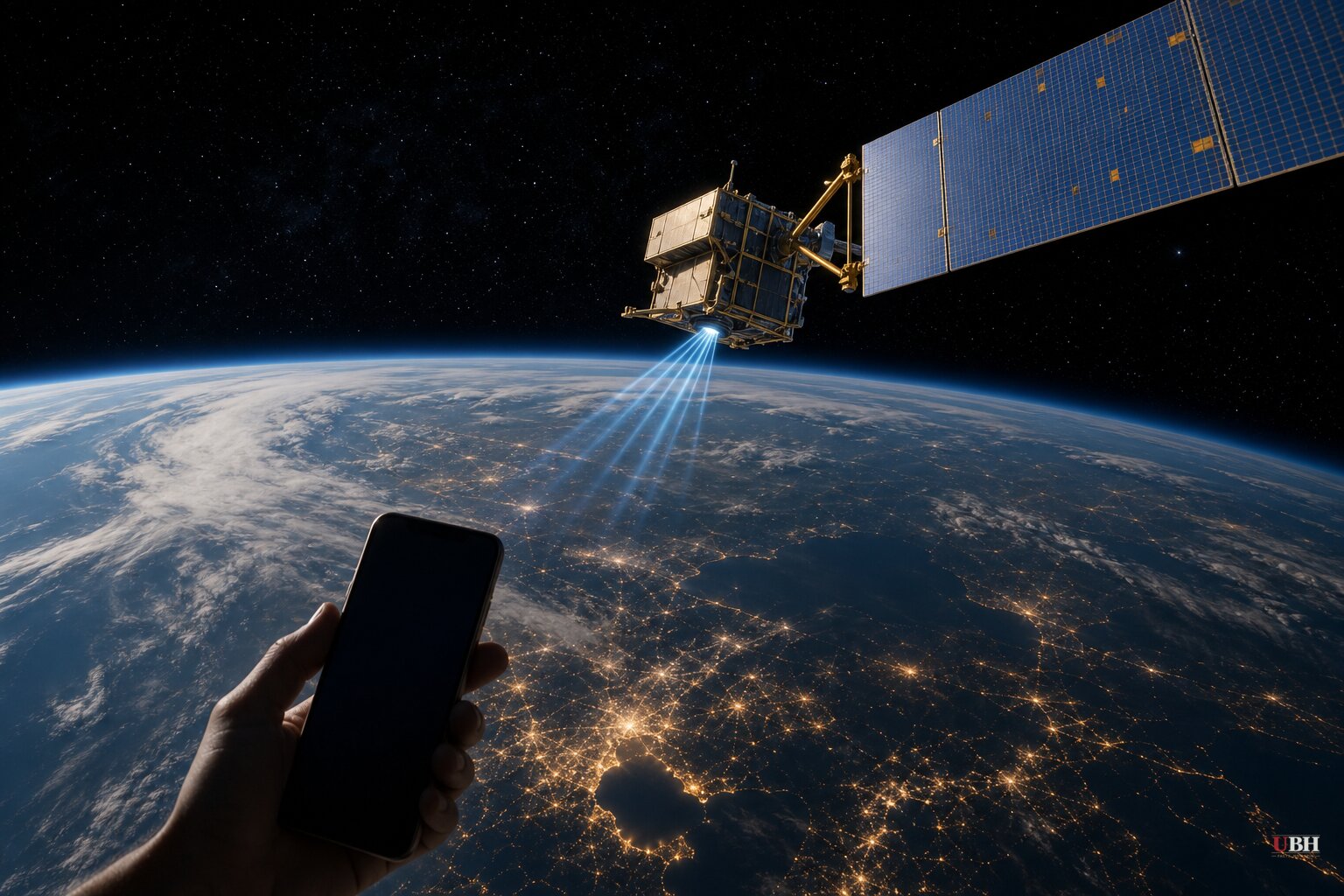
The Federal Communications Commission has authorized what it calls Supplemental Coverage from Space, a regulatory category that lets orbital satellite constellations beam cellular service directly into ordinary smartphones, no special equipment needed, according to Yahoo Finance and 24/7 Wall St, which published near-identical coverage of the ruling as of September 2026.
That single decision has turned a science-fiction pitch into a real business fight over who owns the spectrum, the radio frequencies a phone actually uses to connect.
The Players and the Numbers
AST SpaceMobile is built solely around connecting unmodified phones to satellites. The company has signed more than 60 mobile carrier partners covering over 3 billion subscribers and is working toward roughly 100 MHz of U.S. spectrum, according to Yahoo Finance and 24/7 Wall St. Q2 2026 revenue was $31.52 million, up 2,626.6% year over year, with full-year guidance of $150 million to $200 million and a $1.30 billion backlog. CEO Abel Avellan told the outlets, "Spectrum is like fuel for our business." Shares are up 48.85% over the past year but down 14.21% year to date.
That volatility shows up elsewhere in the numbers too. Pluang reported the stock has fallen nearly 53% at points this year even as AST has launched 13 satellites, holds $3.7 billion in liquidity, and aims for roughly 45 satellites by early 2027. AST also posted a $125.9 million net loss in its Q2 report and disclosed a law firm investigation, per Pluang, meaning allegations exist but no charges or findings have been reported. The stock later jumped to about $62 after Berenberg initiated coverage with a buy rating and $92 price target, projecting AST could generate close to $1 billion in revenue in 2027, its first full commercial year.
SpaceX, which went public in a record-setting IPO, secured FCC approval to absorb EchoStar's spectrum licenses, adding 65 MHz of U.S. spectrum plus global Mobile Satellite Service rights, according to 24/7 Wall St. The company plans to activate that spectrum once its Mobile V2 satellites launch next year. Q2 revenue hit $7.81 billion, up 92%, with Starlink subscribers doubling to 12 million and new carrier deals with SoftBank, NTT Docomo and Spark New Zealand. SpaceX shares have traded actively since the IPO, including on crypto exchanges' perpetual futures markets, and the stock has swung sharply from its post-IPO highs.
Rocket Lab is pivoting from a pure launch company toward owning spectrum itself. Its pending acquisition of Iridium would add 66 satellites, 2.5 million subscribers and more than $870 million in annual revenue, per 24/7 Wall St. Founder Peter Beck argued Iridium's L-band spectrum is valuable precisely because it penetrates rain and buildings, even though it isn't compatible with standard phones today. The deal isn't expected to close until mid-2027. Amazon's Leo satellite network, meanwhile, already powers Apple's iPhone and Watch satellite features and won FCC approval to deploy more than 5,000 direct-to-device satellites, according to the Atlantic Council.
The Grain Spectrum Wrinkle
Separately, the FCC granted AST SpaceMobile a Special Temporary Authority, a short-term test license, to broadcast on an 800 MHz low-band spectrum block that Grain Management bought from T-Mobile, according to the Matterfact newsletter. Grain faces FCC "use it or lose it" buildout deadlines that regulators said can be satisfied through a satellite network instead of building physical towers. Matterfact was explicit that this reading comes from investors and podcast hosts parsing FCC filings and hiring announcements, not from on-record statements by AST, T-Mobile or Grain management.
Japan is also betting on this technology. The government there selected a Rakuten and AST SpaceMobile joint venture for its J-LEO satellite initiative, providing up to $1 billion in funding and pushing the program's total value toward $2 billion with private matching, per Pluang.
The Skeptics' Case
Not everyone buys the standalone-satellite story. At a Wireless Infrastructure Association webinar, analysts Tim Farrar of TMF Associates and Joe Madden of Mobile Experts argued satellites cannot replace ground networks, according to Fierce Network. "It's going to need a terrestrial network," Farrar said. "You're not going to do this with a standalone satellite network." Madden added that reaching people indoors will require much larger satellite antenna arrays than currently deployed, though he said AST SpaceMobile's antenna size gives it an edge over SpaceX's current setup for that specific problem.
Fierce Network noted the webinar's sponsor, WIA, represents ground-based tower companies with an obvious financial interest in downplaying satellites, but also pointed out that American Tower is both a WIA member and an investor in AST SpaceMobile, complicating any simple story of industry bias.
The Atlantic Council raised a separate concern: launch capacity, not spectrum, may be the real chokepoint. SpaceX's own rocket reservations are booked nearly solid through early 2029, and the Council noted SpaceX's vertically integrated structure gives it an incentive to limit rival access to launches it controls. The Council also flagged that China currently owns none of the 45.9% U.S. share of global direct-to-device connections but is testing its own technology and planning five megaconstellations of 10,000 to 15,000-plus satellites for deployment by 2035.
Whether AST SpaceMobile's temporary Grain spectrum test converts into a permanent nationwide license, whether Rocket Lab's Iridium deal closes on schedule in mid-2027, and whether China's constellation plans erode the current American lead in this market all remain open questions with no regulatory or corporate resolution yet on record.
Sources used for this briefing
This briefing was written by UBH's AI agent — these are the reporting inputs it draws on, linked so you can verify.


