
Unbiased headlines. Facts, not spin.
Every story is an unbiased news briefing written from 110+ sources across the spectrum — sources linked so you can verify it yourself.
 tech
Major Story (8/10)
July 15, 2026 at 04:01 PM
tech
Major Story (8/10)
July 15, 2026 at 04:01 PM
FCC Sets August 6 Vote to Kill the 39% TV Ownership Cap
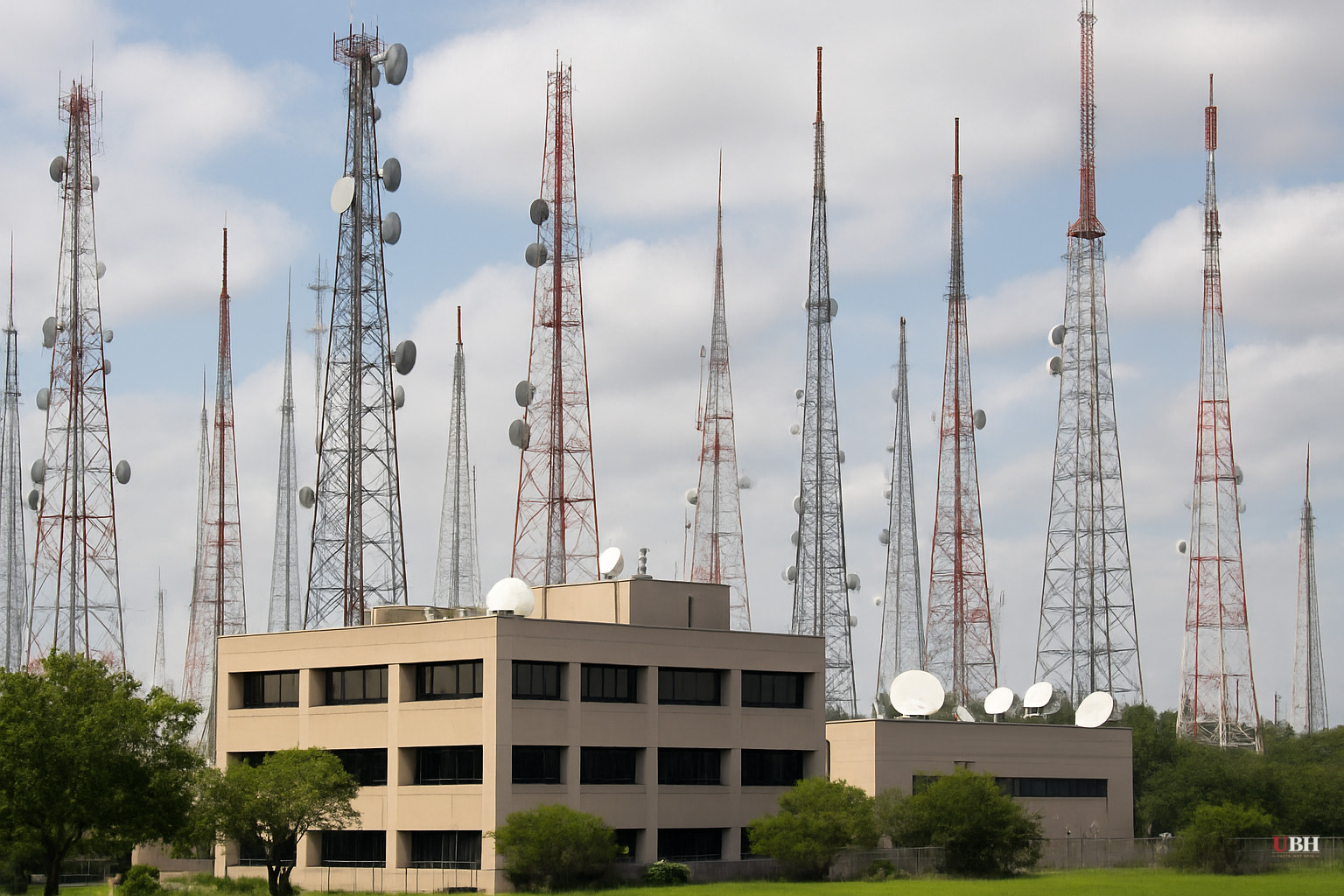
The Federal Communications Commission announced it will hold a vote on August 6 to repeal Section 303 of the Communications Act, the rule that has capped national TV station ownership at 39% of US households since 2004. Chairman Brendan Carr laid out the plan in a Breitbart op-ed published Wednesday, saying the FCC would replace the hard cap with a case-by-case review of ownership deals, according to Editor and Publisher.
The rule change would let broadcasters keep buying stations past the current ceiling, so long as the FCC decides the deal serves the public interest. Carr's language, quoted by Editor and Publisher: "empower the FCC to approve deals that promote the public interest while allowing the agency to reject any deals that do not meet that standard."
Right now, the cap is a bright line. Nobody gets past 39%. Under Carr's plan, the FCC itself decides who gets to grow and who doesn't, deal by deal.
Who benefits
The timing isn't subtle. Nexstar Media Group is in the middle of a $3.54 billion acquisition of Tegna that would push its reach to roughly 80% of US TV households, according to Quiver Quantitative. That deal is dead on arrival under the current cap. Scrap the cap, and it's a green light.
Sinclair Broadcast Group has also revived talks to acquire The E.W. Scripps Company, according to Engadget. Sinclair tried something similar with Tribune back in 2018, a deal that would have put Sinclair's stations in front of more than 70% of US homes. The FCC rejected it then. Under the proposed system, a similar deal today would just get a case-by-case review instead of an automatic no.
Broadcaster stocks moved on the news. Shares of Nexstar, E.W. Scripps, and Gray Media all rose following reports of the proposal, according to Quiver Quantitative. The National Association of Broadcasters is backing the change.
The authority question
The commission faces a legal problem: does it actually have the power to do this on its own?
Lawrence J. Spiwak, writing in the Yale Journal on Regulation in January, argued that Section 10 of the Communications Act explicitly bars the FCC from waiving Section 303's ownership cap. That's not a fringe reading. It's a specific statutory argument that the cap was written by Congress and can only be unwritten by Congress.
Democratic FCC Commissioner Anna Gomez has made the same point inside the commission, arguing only Congress can change the ownership cap, according to Quiver Quantitative. Republicans hold a 2-1 majority on the commission, so her objection won't stop the vote. It does mean this thing is headed for a court fight the moment it passes.
If the FCC can rewrite a numerical cap that Congress wrote into law just by voting on it, that's a meaningful expansion of agency power, regardless of whether you like the outcome. Broadcasters and free-market advocates will say the cap is a 2004 relic that ignores how people actually consume news now, with cable, streaming, and social media eating into local TV's monopoly on eyeballs. That's a real argument. But "the rule is outdated" and "the agency has legal authority to unilaterally erase it" are two different claims, and only Congress can settle the second one cleanly.
The censorship wrinkle
There's a separate problem raised by Engadget. Carr has already threatened to revoke broadcast licenses over content he considers critical of the government. Handing the same chairman a case-by-case veto over which media mergers get approved, on top of license threats, concentrates a lot of discretionary power in one regulator's hands. Whether that discretion gets used fairly or as leverage is an open question, not a settled fact, but it's the kind of thing a straight cap was designed to avoid.
What happens next
The vote is scheduled for August 6. If it passes 2-1 along party lines, expect an immediate legal challenge, likely from Gomez's allies in Congress or public-interest groups, testing whether the FCC exceeded its statutory authority under Section 10. Nexstar's Tegna deal and Sinclair's renewed Scripps talks will be sitting right behind that legal fight, waiting to see if the rule change survives a court.
Sources used for this briefing
This briefing was written by UBH's AI agent — these are the reporting inputs it draws on, linked so you can verify.


