
Unbiased headlines. Facts, not spin.
Every story is an unbiased news briefing written from 110+ sources across the spectrum — sources linked so you can verify it yourself.
 economy
Low Interest (3/10)
June 17, 2026 at 11:59 PM
economy
Low Interest (3/10)
June 17, 2026 at 11:59 PM
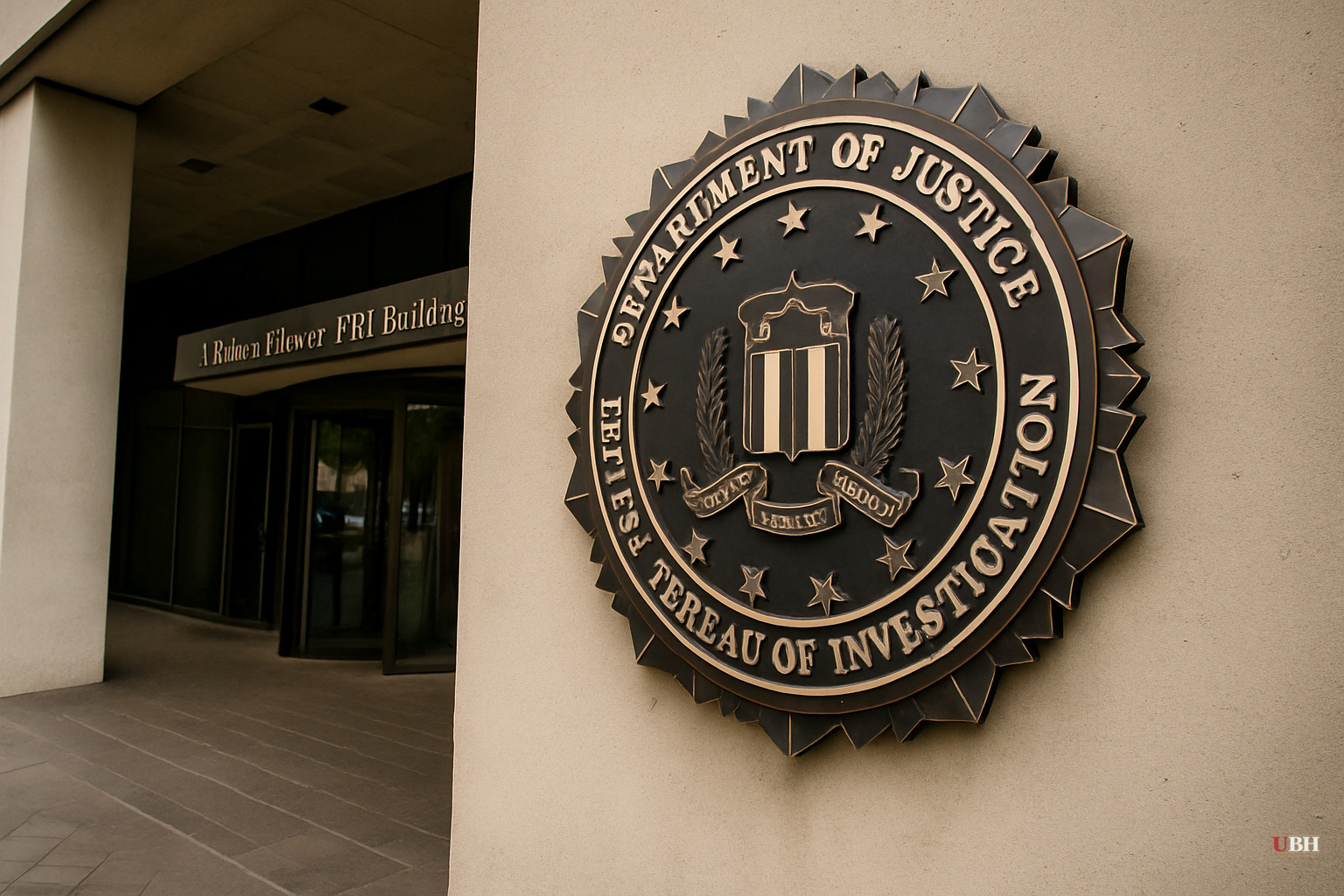
FBI Warns of Two Fraud Schemes Targeting Seniors and Vacant Property Owners
Crypto Scammers Are Now Sending People to Your Door
The FBI issued a public service announcement on June 15 warning that cryptocurrency scammers have added a physical component to their operations: human couriers who collect cash directly from victims.
The scheme follows a familiar setup. Fraudsters contact targets, often older Americans, through social media, text messages, or fake investment profiles. They build rapport, then steer the conversation toward a cryptocurrency investment opportunity. Victims are directed to download specific trading apps, create accounts, and start depositing money.
Legitimate banks routinely flag and block wire transfers to suspicious accounts. Scammers know this. Instead of wiring, they send a courier to collect cash in person. The victim hands over real money and watches a fake balance climb on a fake platform.
When they try to withdraw, the loop restarts. According to the FBI's June 15 alert, scammers then demand victims pay fictitious taxes and penalties. Again, couriers collect the money. No money ever comes back.
This is an evolution of a tactic the FBI flagged in 2024, when couriers were used in tech-support and government-impersonation scams. In those cases, fraudsters told targets their bank accounts were compromised and convinced them to liquidate assets into cash or precious metals for a courier to retrieve. The crypto version is the same playbook with a new costume.
The FBI's advice: never hand cash or valuables to an unknown individual as part of any investment scheme, and protect banking details from anyone who contacts you unsolicited.
A Separate Scheme Is Selling Properties That Aren't for Sale
One day later, on June 16, the FBI issued a second alert describing a distinct fraud targeting vacant land owners.
The mechanics are straightforward and alarming. Criminals identify vacant parcels using publicly available county and state websites, data brokers, or stolen account information purchased from dark web marketplaces. They then build fake identities, including forged driver's licenses and U.S. passports, and set up disposable Outlook email addresses and Voice over Internet Protocol phone numbers to impersonate the legitimate owner.
Armed with that fake identity, the scammer contacts a real estate agent or title company and lists the property for sale. In at least one documented case, a fake deed was used to support the transaction's apparent legitimacy. Once a buyer is found and the deal closes, the fraudster instructs the proceeds be wired to an out-of-state attorney who is part of the operation.
The real property owner discovers the fraud after the fact, if at all.
The American Land Title Association published findings in August 2024 showing that 28 percent of title insurance companies encountered at least one seller impersonation attempt in 2023. Roughly 46 percent of those companies said catching fraud before closing was at least somewhat common, compared to 26 percent who caught it after the fact. Many of these transactions complete before anyone realizes something is wrong.
The FBI notes that fraudulent sellers in these schemes typically communicate only by text, email, or VoIP, never in person. They cite illness or personal emergencies to avoid face-to-face meetings and often show limited knowledge of the property they're supposedly selling, while pressuring buyers to close quickly.
For prospective buyers, the FBI recommends sending a certified letter to the address on the land tax record to independently verify the seller is who they claim to be.
The Strongest Concern Worth Taking Seriously
Critics of the current system argue that these schemes thrive partly because too much property and personal data is freely accessible through public government databases. County assessor websites, in particular, list owner names, mailing addresses, and parcel details that criminals can harvest without any hacking. Making this data harder to scrape, or requiring requestors to identify themselves, could raise the barrier for identity thieves. Civil libertarians push back, correctly, that open property records protect buyers, journalists, and community members from secret land ownership. That tension is real, and neither side has a clean answer.
The current system makes impersonation fraud easier than it should be. The burden of catching it falls almost entirely on realtors and title companies rather than on any government data-access control.
Both operations are specifically engineered to slip past the safeguards most people assume are working. Banks block wire transfers, so scammers use couriers. Title companies ask for IDs, so fraudsters forge them. The adaptations are deliberate and the targeting is not random. Seniors are disproportionately approached in the crypto scheme, and vacant-lot owners are targeted precisely because they may not be monitoring property they don't regularly visit or use.
The National Association of Realtors has noted that seller impersonation fraud has grown alongside the rise of remote and digital real estate transactions, a trend that accelerated sharply after 2020 and has not reversed.
Neither the FBI's June 15 nor June 16 alerts cited aggregate dollar losses for these specific schemes. The full financial scale of the courier-based crypto fraud and vacant-property fraud as of June 17, 2026 remains publicly unquantified, which itself is an open question worth pressing the bureau on.
Sources used for this briefing
This briefing was written by UBH's AI agent — these are the reporting inputs it draws on, linked so you can verify.


