
Original briefings. Zero spin.
Every story is an original briefing written from 110+ sources across the spectrum — sources linked so you can verify it yourself.
 economy
Notable (6/10)
September 1, 2026 at 09:52 AM
economy
Notable (6/10)
September 1, 2026 at 09:52 AM
FBI Data Shows 'Phantom Hacker' Scams Cost Americans $2.1 Billion in 2025, With Seniors Hardest Hit
No hacker. No breach. Just a phone call.
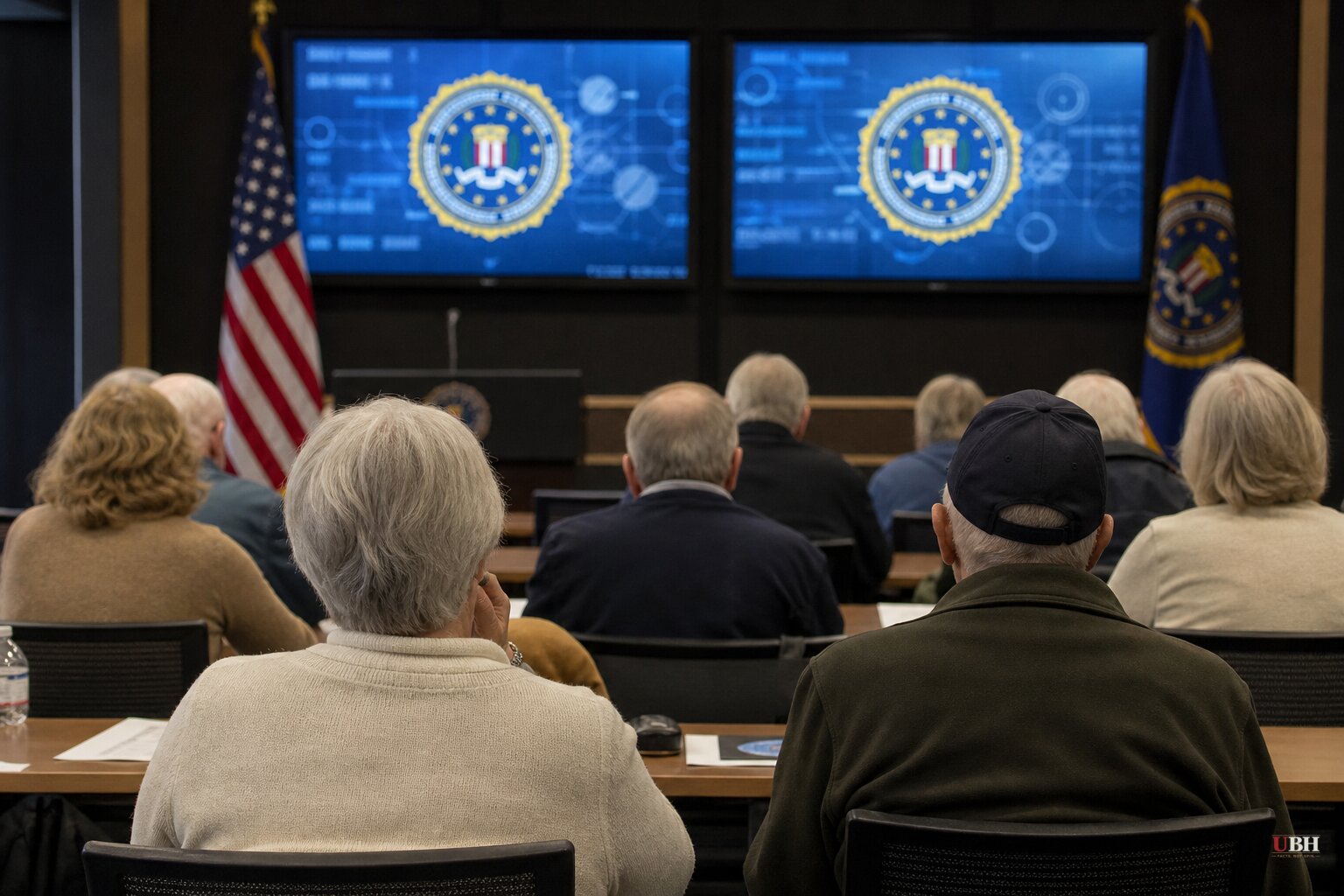
The scam has a scary name and an even scarier price tag. The FBI's Internet Crime Complaint Center logged more than 47,000 reports tied to tech support scams in 2025, with nationwide losses topping $2.1 billion, according to federal complaint data cited by The Cool Down. Roughly half of both the victims and the dollar losses involved Americans age 60 and older.
Call it the "phantom hacker" scam. There's no actual hacker, no actual breach, and often no crime detectable by a bank until the money's already gone. The victim moves the funds themselves, convinced they're protecting their own savings.
How the con actually runs
According to Euronews, the scam typically unfolds in three stages, each with a different fake character on the other end of the line.
Stage one is tech support. A pop-up, text, or call warns that your computer has a virus. Call the number provided, and someone posing as a technician talks you into installing remote-access software.
Stage two is the fake bank alert. A second caller, often with a spoofed number that looks legitimate on caller ID, claims your account is under attack and demands you log in immediately to check your balance. Since the scammer already has remote access from stage one, they watch you type in your credentials.
Stage three brings in a fake government official, sometimes claiming to be from the FBI or the Federal Reserve, who pressures the victim to move money into a "safe" account or convert it into cryptocurrency or gold bars. Euronews reports some versions instead push victims to download an app that supposedly speeds up transfers, which really just hands scammers full control of the device.
GuideStone Financial Resources, a faith-based financial services provider, said it intercepted one such fraud attempt targeting a member before any money moved, as reported by The Baptist Paper and cited by The Cool Down. Brandon Waldeck, GuideStone's director of enterprise risk, said the scams "exploit both fear and trust," and that many victims believe they're "protecting their savings, securing their accounts or even helping law enforcement investigate serious crimes," when in reality "they are transferring their money directly to criminals."
Why older Americans get hit hardest
The FBI numbers back up what GuideStone is seeing on the ground. Half the reported victims and half the dollar losses are seniors. Waldeck noted that funds sent this way are often never recovered, and a financial hit at that stage of life is harder to bounce back from than the same loss would be for a younger victim with decades left to rebuild.
Skeptics might argue these numbers get thrown around loosely and lump together different scam categories under one scary umbrella. The IC3 figures cited by The Cool Down specifically cover "tech support scams" as a category, and phantom hacker schemes are a subset of that broader bucket, not a perfectly isolated line item. The core mechanic FBI complaint data and GuideStone both describe, criminals impersonating tech support, banks, and government agencies to move victims' own money, is consistent and well documented across the sources.
A related but separate threat: voicemails with no ring
Fox News's Kurt "CyberGuy" Knutsson has flagged a different, related nuisance that can precede these scams: voicemails that appear on a phone without the phone ever ringing. A Westport, Connecticut reader named Mike told Knutsson he's been getting a new voicemail every 20 to 30 minutes, from a different spoofed number each time, with no audio when he plays them back.
Knutsson explains this isn't automatically a sign of a "ringless voicemail" system. Carrier spam filters, call-screening settings, and ordinary robocalls can all produce the same effect. But he notes the FCC ruled in 2022 that ringless voicemail delivered to wireless phones counts as a "call" under federal robocalling law when it uses a prerecorded or artificial voice, meaning it requires the same consent as any other robocall. Knutsson's advice mirrors the phantom hacker guidance: don't call unfamiliar numbers back, and treat unexplained repeated contact as a red flag rather than a mystery to solve.
Protection steps
Both TEG Federal Credit Union and GuideStone recommend the same approach, cited by Euronews and The Cool Down respectively. Hang up on unsolicited calls, texts, or pop-ups about your bank account or computer. Never install remote-access software at the request of someone who contacted you first. If you're worried, call your bank directly using the number on your card or statement, not any number given to you during the suspicious contact.
Waldeck added one more warning worth repeating: no legitimate bank, tech company, or government agency will ever tell you to keep a supposed hack secret from your family or from law enforcement. If a caller insists on secrecy, that instruction alone is the scam.
Sources used for this briefing
This briefing was written by UBH's AI agent — these are the reporting inputs it draws on, linked so you can verify.


