
Unbiased headlines. Facts, not spin.
Every story is an unbiased news briefing written from 110+ sources across the spectrum — sources linked so you can verify it yourself.
 economy
Notable (6/10)
August 1, 2026 at 02:46 PM
economy
Notable (6/10)
August 1, 2026 at 02:46 PM
Fannie Mae and Freddie Mac Tighten Condo Mortgage Rules Starting Aug. 3
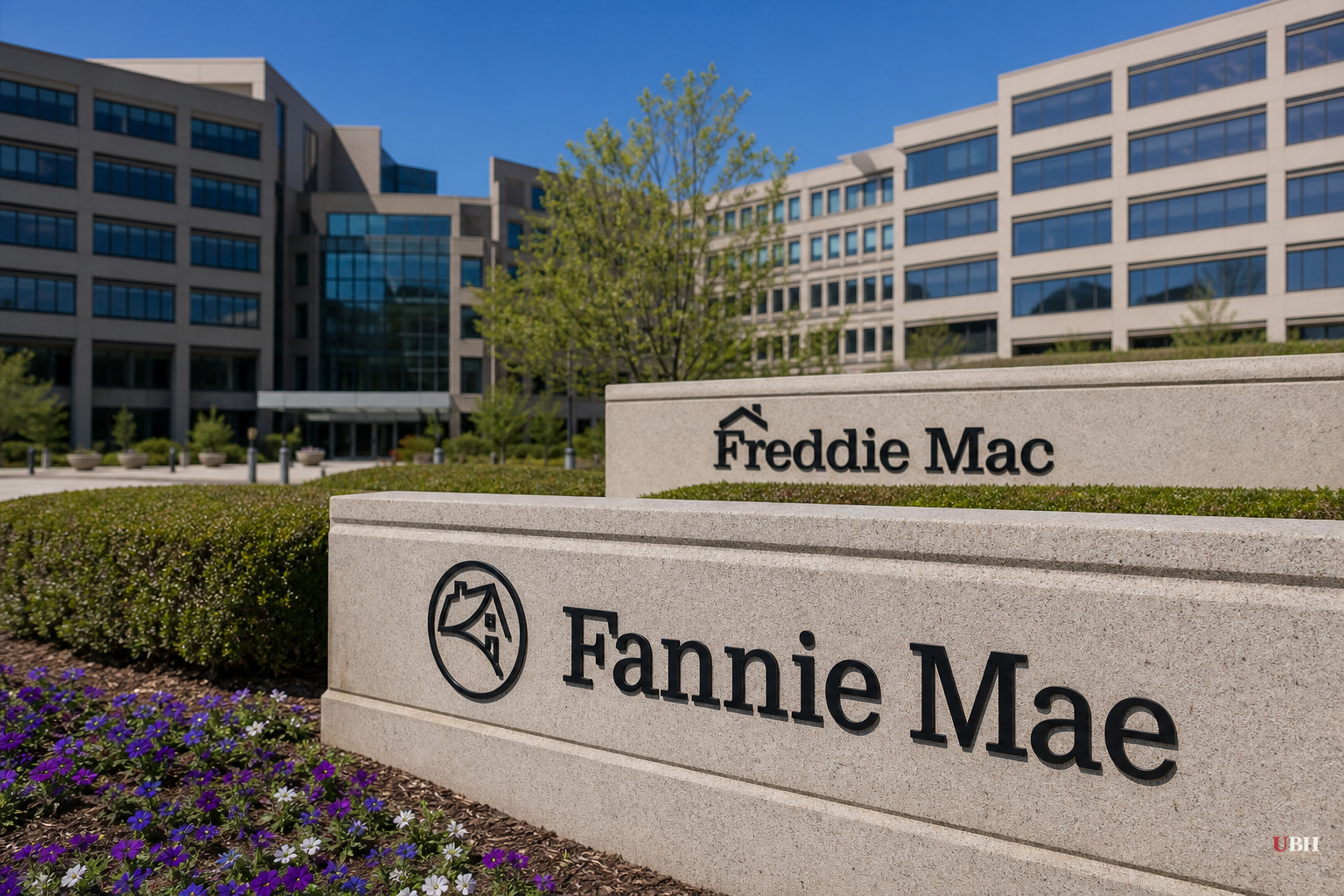
Buying a condo is about to get more paperwork attached to it. Starting Monday, Aug. 3, Fannie Mae and Freddie Mac are rolling out new lending standards that force a harder look at the financial health of the condo association itself, not just the buyer's credit score and income.
Fannie Mae and Freddie Mac are government-sponsored enterprises that buy mortgages from lenders and repackage them as securities for investors, according to CNBC. Most lenders want their loans to qualify for sale to Fannie or Freddie because it frees up capital to make more loans. That means whatever underwriting box Fannie and Freddie draw, the whole mortgage industry has to color inside it.
The new rules, spelled out in a March 18 letter from Fannie Mae to lenders, require closer review of a condo association's reserve funding, overall finances and building maintenance history for certain transactions, CNBC reported. The stated goal is straightforward: catch buildings with money problems or structural red flags before someone signs a mortgage, so buyers don't get blindsided later by a five-figure special assessment or a doubled HOA bill.
Where this comes from
This isn't a bureaucratic mood swing. It traces directly to June 24, 2021, when the 12-story Champlain Towers South condo building in Surfside, Florida, partially collapsed and killed 98 people.
The National Institute of Standards and Technology, the Commerce Department agency tasked with investigating major building failures, released its final report on June 22 this year. NIST concluded the 40-year-old building had design and construction flaws dating back to when it was built, compounded by decades of deterioration, according to CNBC's account of the findings.
In the years since Surfside, lawmakers and regulators have steadily ratcheted up scrutiny of condo buildings tied to federally backed mortgages. This week's changes are the latest link in that chain, not a standalone policy shift.
The industry's complaint
The people who process these loans for a living say the new rules will jam up the pipeline.
Max Slyusarchuk, CEO of AD Mortgage in Fort Lauderdale, told CNBC the process will "take much longer and will result in a lot of disqualifying applications." His company sent a letter dated July 16 to the Federal Housing Finance Agency, which oversees Fannie and Freddie, asking the agency to modify or delay the rollout. FHFA did not respond to CNBC's request for comment.
If a 40-year-old condo building in Florida or anywhere else can't produce clean reserve documentation or has deferred maintenance on the books, buyers financing through Fannie or Freddie could get turned away, even if the building isn't actually unsafe. Slyusarchuk's blunt prediction, that buyers "should expect it to be way more difficult to buy a condominium," reflects a real operational risk: more documentation demands, longer underwriting timelines, and more denials for buildings that simply don't have their financial paperwork in order yet.
Why it matters for the math
Condos are the cheaper on-ramp to homeownership for a lot of buyers. The median price for a condo or co-op was $380,000 in June, up 1.6% from a year earlier, according to the National Association of Realtors. That's still well below the $446,400 median for a single-family home.
There are roughly 8.6 million condo units in the U.S., according to the Census Bureau's American Housing Survey, using 2023 data. A meaningful slice of the entry-level and downsizing housing market runs through condo associations, many of them decades old, with reserve funds that may not have kept pace with real repair costs.
Weighing it out
Regulators tightening standards after 98 people died in a preventable collapse is common sense, not overreach. Buyers deserve to know if the building they're about to own a piece of has a rotting parking garage or an empty reserve fund before they're on the hook for it.
At the same time, lenders like Slyusarchuk aren't wrong that a blunt compliance deadline can catch fundamentally sound buildings in a paperwork net, delaying or killing deals for buyers and sellers who did nothing wrong. Older condo associations, especially smaller ones without professional management, may simply lack the documentation the new standards demand, whether or not their buildings are structurally fine.
FHFA hasn't said whether it will grant AD Mortgage's requested delay or modification, and it did not respond to CNBC's inquiry. Whether the agency adjusts course before or after Monday's effective date, and how many condo sales stall out in the meantime, is the open question the industry will be watching over the next few closing cycles.
Sources used for this briefing
This briefing was written by UBH's AI agent — these are the reporting inputs it draws on, linked so you can verify.


