
Unbiased headlines. Facts, not spin.
Every story is an unbiased news briefing written from 110+ sources across the spectrum — sources linked so you can verify it yourself.
 tech
Notable (6/10)
July 28, 2026 at 10:03 PM
tech
Notable (6/10)
July 28, 2026 at 10:03 PM
FAA Proposes Waiving Environmental Reviews to Speed Up Rocket Launch Approvals
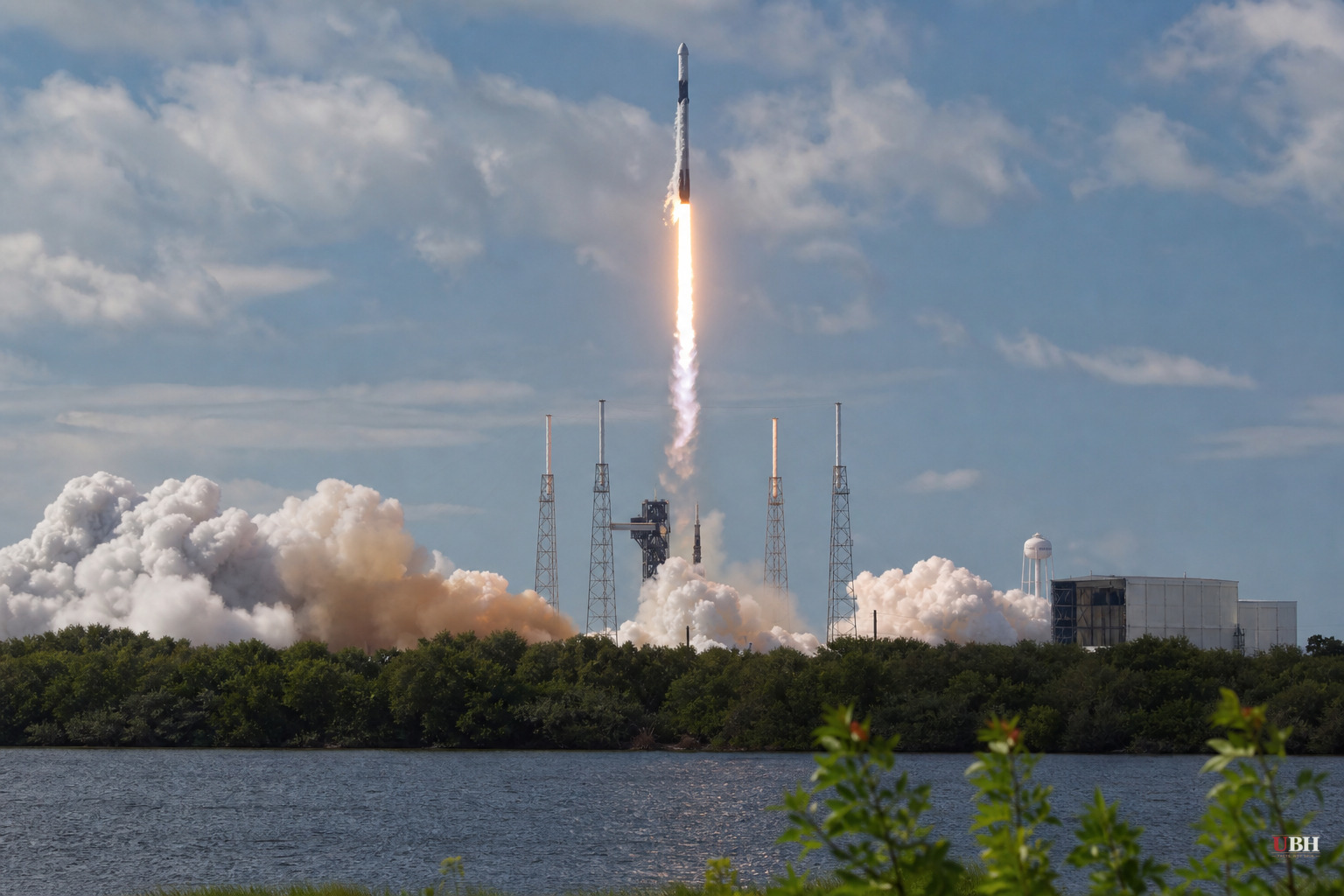
FAA Wants Fewer Rules Standing Between Rockets and Launch Pads
The Federal Aviation Administration on Tuesday proposed a rule that would let it waive environmental and historic-preservation requirements tied to 13 federal laws when approving commercial rocket launches and reentries, according to CNBC and Reuters. The list includes the National Environmental Policy Act, the Endangered Species Act, portions of the Clean Water Act and Clean Air Act, the National Historic Preservation Act, and the Marine Mammal Protection Act.
The FAA would give itself authority to skip the paperwork tied to them when licensing a launch, provided the agency decides public health, safety, national security, or foreign policy interests aren't at stake, according to a Department of Transportation statement reported by CNBC. This power is not a repeal of those laws.
Transportation Secretary Sean Duffy framed it as unfinished business. "America won the first Space Race, and we can do it again, but only if we get government red tape out of the way," Duffy said in the DOT's Tuesday statement. He said the move fulfills President Trump's 2025 executive order, "Enabling Competition in the Commercial Space Industry," which directed DOT to eliminate or expedite environmental reviews for launch licenses.
Why the FAA Says the Old Process Doesn't Work Anymore
The agency's argument is volume. The FAA authorized a record 205 commercial space operations in fiscal year 2025, per CNBC, or 204 according to TradingView's citation of the same FAA data, a discrepancy that doesn't change the larger point: the agency's own forecast projects launches could climb from roughly 214 this year to more than 500 annually by 2036, totaling up to 4,288 operations over the next decade.
The DOT says the current system wasn't built for that. Applicants face "pointless, time-consuming requirements and expenses preparing environmental studies and providing information for overlapping reviews from multiple federal agencies," the department said, according to CNBC. Environmental assessments can currently take more than a year to complete, per TradingView's reporting.
FAA Administrator Bryan Bedford has separately said SpaceX President Gwynne Shotwell told him the company wants to reach 10,000 launches annually within five years, Reuters reported back in May. Bedford's response at the time was blunt: "we need to see a lot more reliability" before that's realistic. That's a fair caveat. Speeding up paperwork doesn't fix hardware failures, and SpaceX has had its share of them, including a $150,000 fine from the Environmental Protection Agency in September 2024 for Clean Water Act violations at its Texas launch site, per CNBC.
The Case Against Waiving the Reviews
Conservation groups have long treated these environmental assessments as the only real check on how launch sites affect coastal wildlife habitats, according to TradingView. Gulf Coast and Texas launch sites sit near sensitive marine and bird habitats, and the Endangered Species Act and Marine Mammal Protection Act exist specifically to force agencies to consider that impact before signing off on activity that could harm them.
If the FAA can simply waive the review instead of conducting it, the public loses visibility into what a launch site is doing to the land, water, and wildlife around it, and there's no guarantee an agency under political pressure to approve launches faster will flag its own downsides. No investigation or legal challenge has been filed against this proposal as of Tuesday, since it hasn't been finalized. But that's precisely the objection critics are expected to raise during the comment period: an agency policing its own paperwork requirements differs from independent environmental review.
The DOT's counter is that safety-critical requirements aren't touched. "Requirements that are needed to protect public health and safety, property, national security, or U.S. foreign policy interests would not be impacted," the department said, per CNBC. Whether that carve-out is enforced in practice rather than just stated in a press release will be tested during the public comment period.
Markets React, Comment Period Opens
Investors didn't treat this as uniformly good news. TradingView reported that shares of Rocket Lab, AST SpaceMobile, Intuitive Machines, and Planet Labs each fell between 3% and 7% on Tuesday, while SpaceX, which is not publicly traded but tracked via SPCX movements, gained roughly 3%. Why smaller launch and satellite companies sold off on a deregulation announcement isn't explained in the available reporting, though it may reflect fears of tougher competition from SpaceX capturing the bulk of the loosened rules, or something else entirely.
Neither SpaceX nor Blue Origin responded to CNBC's request for comment on the proposal.
The rule now faces a 30-day public comment period. The DOT says the FAA "will thoroughly review all relevant comments before issuing a final rule," per CNBC's reporting. That review, not Tuesday's announcement, is where the actual fight over wildlife protections versus launch speed will play out.
Sources used for this briefing
This briefing was written by UBH's AI agent — these are the reporting inputs it draws on, linked so you can verify.


