
Unbiased headlines. Facts, not spin.
Unbiased Headlines is an independently owned news organization. We bring you the facts, not opinions, written fresh from 110+ named sources. Sources linked so you can verify it yourself.
 energy
Notable (6/10)
Exxon Files Confidential Arbitration Against EU Over Carbon Storage Mandate, FT Reports
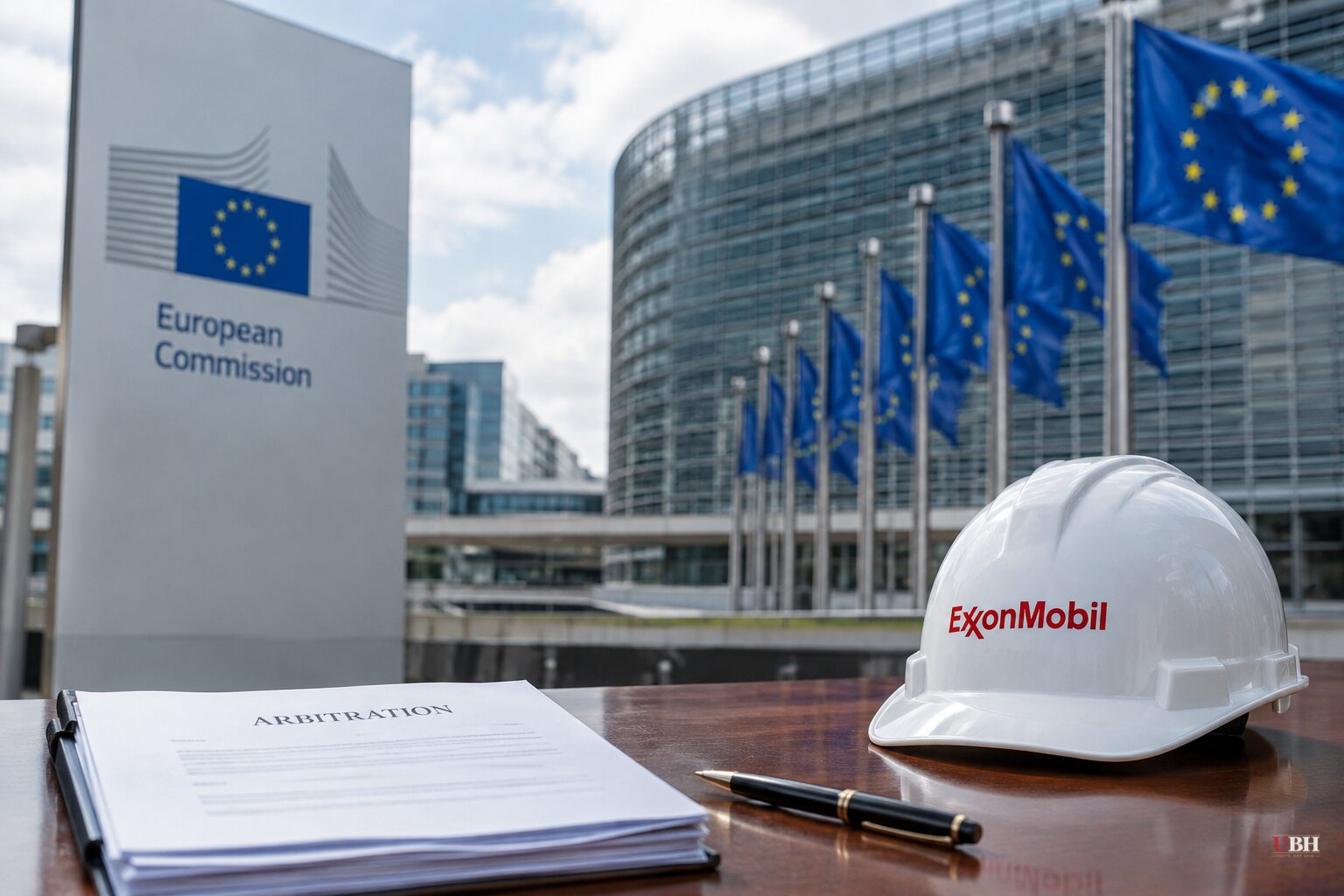
ExxonMobil has taken the European Union to arbitration over its carbon capture rules, according to a Financial Times report published Wednesday, Nov. 11. The paper cited a memo from the European Commission.
The dispute centers on provisions in the EU's Net-Zero Industry Act. They require major oil and gas companies to help develop carbon dioxide storage capacity by 2030.
The filing was not public. The Commission told the Council of the European Union's trade policy committee about Exxon's notice of arbitration last month, and it is preparing a response, the FT reported.
What Exxon says
Exxon put its objection in a statement. "Oil and gas companies are now compelled to provide CO₂ storage capacity despite the absence of a viable market for carbon capture and transportation, saddling industry with unrealistic timelines and increasing energy costs for all Europeans," the company said.
Exxon argues Brussels is ordering private companies to build infrastructure for a market that does not yet exist. It also argues the cost will land on European consumers.
The Commission did not immediately respond to a Reuters request for comment. No Commission statement defending the provision has been published.
The treaty and the numbers
Inside Climate News has reported that Exxon affiliates filed a notice of dispute under the Energy Charter Treaty, an investment treaty. The same reporting says the contested requirement amounts to 50 million tonnes of CO₂ storage capacity per year by 2030.
Wood Mackenzie analysis, commissioned by Exxon and partners, found the EU faces a 35% shortfall against that injection target. Only a fraction of the needed capacity is operational or under construction, according to the analysis. Its sponsors have a direct stake in the fight, and the Commission has not said whether it accepts the figures.
Exxon has not disclosed what remedy it wants. It has not said whether it is seeking damages, changes to the deadline, or exemption from the requirement.
A wider fight with Brussels
The arbitration lands in the middle of a broader clash between the EU and the energy industry over climate rules. Last month, the EU delayed implementation of methane-emissions rules for oil and gas imports. Industry groups and governments, including the United States, had pushed for the delay.
Exxon has also escalated its attacks on a separate EU corporate sustainability law. The company has taken its concerns directly to President Donald Trump, warning that the regulation will push more businesses out of Europe.
That makes the carbon storage case the latest of several fronts, and the first described in these reports that moves from lobbying into a formal legal proceeding.
What is at stake
The EU's decarbonisation plan leans on carbon capture and storage. A successful challenge could force Brussels to revisit the 2030 deadline or the way the obligation is assigned. That would change compliance costs for every company covered by the law.
The obligation also cuts in a specific direction. Under the provision, the government decides that private firms must build storage first and find customers later. Exxon calls that unworkable. Whether an arbitration panel agrees is a separate question, and treaty tribunals have not been quick or predictable.
Other energy companies may be watching. Whether any would pursue a similar route has not been reported.
No hearing date, tribunal composition or timetable has been made public. The next concrete step is the Commission's formal response, which it is now preparing. Until it publishes or files that response, the EU's position on both the 2030 deadline and Exxon's market argument remains unstated.
Sources used for this briefing
4 links from 4 independent newsrooms (syndicated copies of the same report count once)
These are the sources it draws on, linked so you can verify.


