
Unbiased headlines. Facts, not spin.
Unbiased Headlines is an independently owned news organization. We bring you the facts, not opinions, written fresh from 110+ named sources. Sources linked so you can verify it yourself.
 energy
Notable (6/10)
ASEAN Eyes Shared Oil Product Stockpile in Indonesia and Thailand as Early as 2027, Nikkei Reports
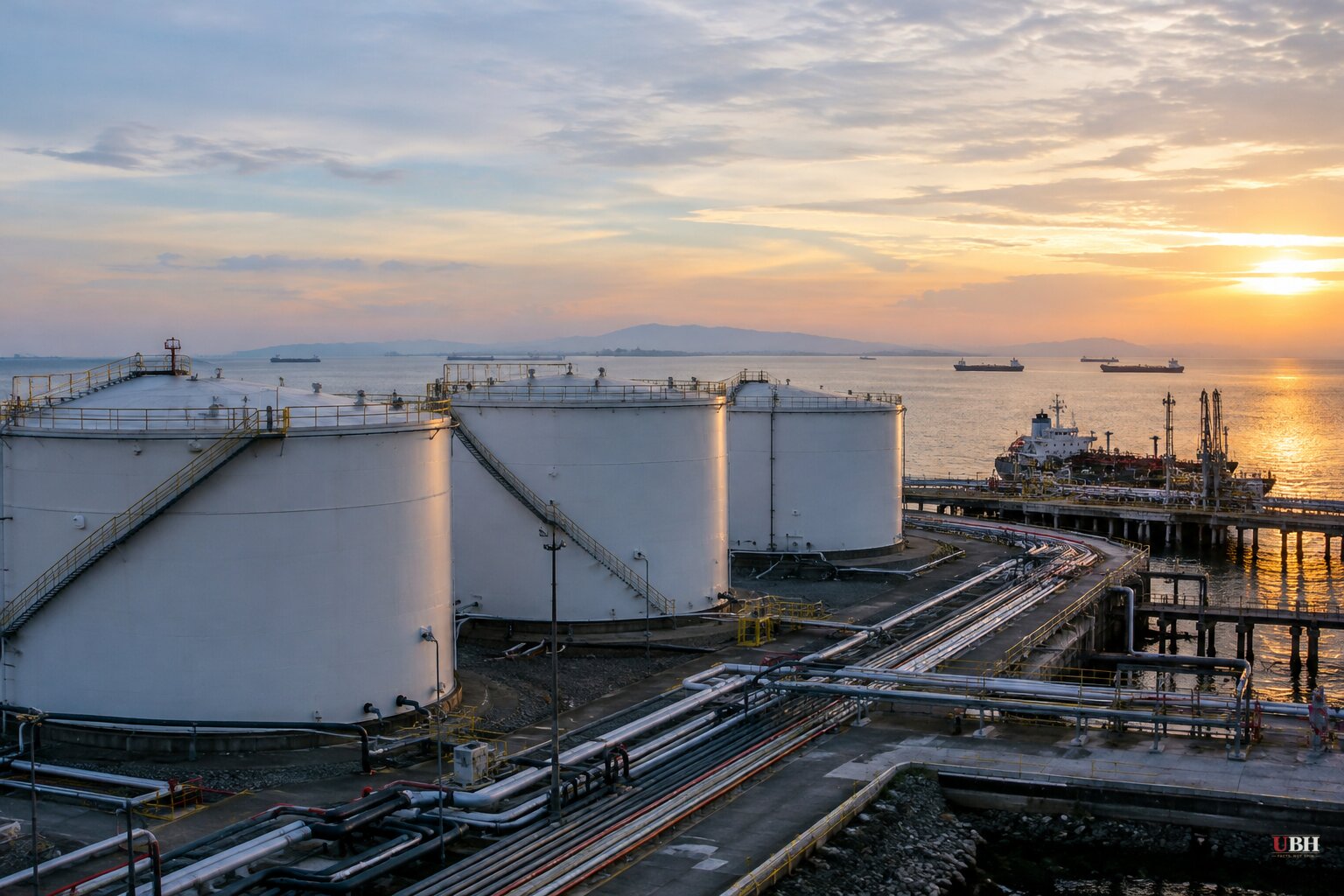
ASEAN countries are working toward a joint oil product stockpiling scheme that could launch as early as 2027, with storage sites in Indonesia and Thailand, the Nikkei business daily reported Thursday, Nov. 12.
The push comes after the U.S.-Israeli war with Iran, which began Feb. 28, cut Asia off from much of its Middle Eastern supply.
How the ticket system would work
The first phase would let the Philippines buy diesel and gasoline held in Indonesia and Thailand during an emergency. Companies affiliated with the Philippine state oil firm PNOC are expected to sign letters of intent with tank operators in both countries on Saturday, Nov. 14, according to Nikkei.
The mechanism is a "ticket" system. A participating country or company pays a fee upfront for the right to buy a set volume of fuel stored by another country's companies when supplies tighten. Nikkei says the European Union uses a similar model.
Laos and Timor-Leste are considering joining. Nikkei says the scheme could later extend across ASEAN and to crude oil.
Japan's role
The initiative is led by the Economic Research Institute for ASEAN and East Asia (ERIA), a Jakarta-based think tank established by Japan's Ministry of Economy, Trade and Industry. Japan is promoting the plan to strengthen regional energy security after the Iran war disruptions, Nikkei reported.
Prime Minister Sanae Takaichi is expected to announce Japanese cooperation on joint stockpiling at an Asia Zero Emission Community summit in Manila on Nov. 17.
ERIA published an issue paper Thursday saying President Ferdinand Marcos Jr.'s call to move joint stockpiling from policy recommendations to implementation "should now be translated into concrete ASEAN action." The paper says the immediate priority is not a single ASEAN-wide reserve. It calls instead for voluntary, public-private pilot projects built on a hybrid model that uses existing infrastructure and private-sector capacity.
What ERIA says it would save
At a Nov. 6 seminar in Jakarta, ERIA put numbers on the idea. A cooperative approach to holding additional reserves would cost about $2.19 billion a year, compared with $2.80 billion under nationally led reserves. That is a gap of roughly $610 million, or about 22 percent, for the same volume.
ERIA also estimated that an efficiently managed reserve system could generate about $8.6 billion a year in regional benefits by limiting losses from supply disruptions. Its model assumes around 30 days of shared reserves.
ERIA CEO Takayuki Yamanaka said recent swings in global energy markets show ASEAN needs better preparedness. Under ERIA's proposed model, emergency stocks would stay owned by producers or partners, while participating countries would negotiate access.
The caveats
ERIA itself has attached limits to those numbers. The savings estimates exclude the cost of emergency delivery and replenishment. ERIA also stressed that the arrangements are research recommendations and "do not represent agreed commitments among ASEAN member states."
Senior energy economist Han Phoumin said a right to draw on emergency stocks is only the first step. Countries also need clear release procedures, suitable fuel and the transport capacity to move it. Voluntary pilots, he said, would let governments and operators test those arrangements before a crisis.
Indonesian energy expert Konsep Harum said regional resilience should rest on four pillars: maintaining domestic supply, diversifying import sources and routes, strengthening receiving and distribution capacity, and improving reserves and emergency response. He called underinvestment in energy supply and infrastructure a structural problem for the region. Han noted that reserves in the region today are held mainly by businesses for their own operations, not by governments.
The fiscal pressure behind it
The World Bank warned last month that Asia was effectively running short of money because of the energy crisis. It said subsidies have been "by far the most common policy response" among emerging and developing economies. Countries with large subsidies generally saw smaller increases in retail gasoline prices, the bank said, but that relationship "weakened considerably" for headline inflation.
The war itself has not been resolved. Secretary of State Marco Rubio said over the weekend he would not describe the talks as on the verge of a breakthrough. Iranian President Masoud Pezeshkian said Monday that Tehran favors negotiation. Mediators are discussing a proposal that Washington has not accepted.
Two dates are coming up. The Philippine-linked letters of intent are expected Saturday. Takaichi's expected announcement in Manila follows on Nov. 17. Neither the Philippine side nor the Indonesian and Thai tank operators has publicly said who pays for the fuel, how it gets delivered, or when stocks must be replenished.
Sources used for this briefing
7 links from 6 independent newsrooms (syndicated copies of the same report count once)
These are the sources it draws on, linked so you can verify.


