
Unbiased headlines. Facts, not spin.
Every story is an unbiased news briefing written from 110+ sources across the spectrum — sources linked so you can verify it yourself.
 economy
Notable (6/10)
July 20, 2026 at 08:38 PM
economy
Notable (6/10)
July 20, 2026 at 08:38 PM
EU's 21st Russia Sanctions Package Gutted by Its Own Member States
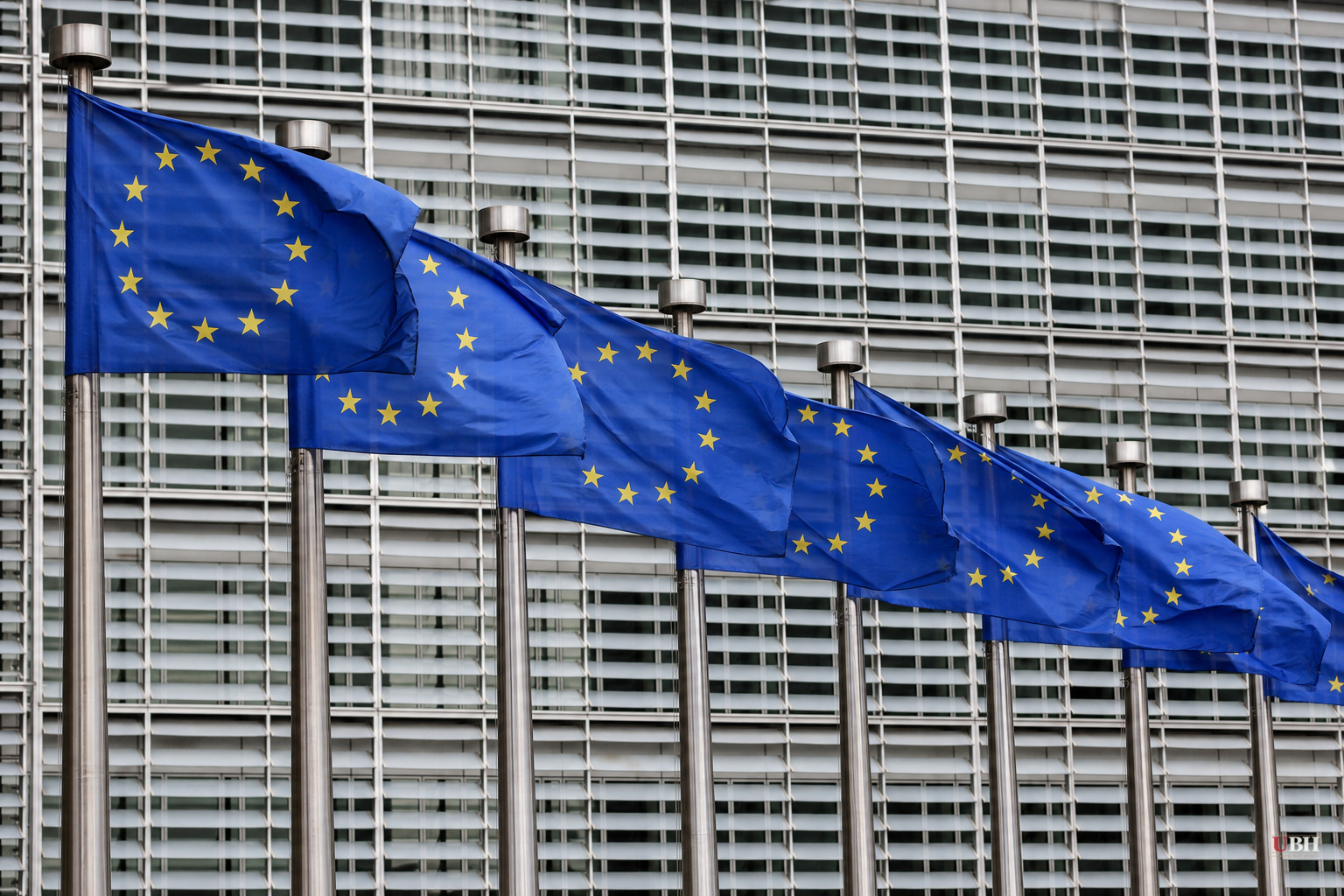
The Sanctions Package That Ate Itself
European diplomats figured the hard part was over. Viktor Orban, Hungary's Kremlin-friendly prime minister for 16 years, left office in May. He was gone. The guy who spent years blocking or watering down EU sanctions on Russia wasn't in the room anymore.
So when the European Commission rolled out its 21st sanctions package in early June, expectations were high, according to RFE/RL, which reviewed early drafts of the proposal. The measures looked ambitious. A ban on Russian fish imports. An automatic entry ban for Russian combat veterans of the Ukraine war. A frozen, tighter price cap on Russian oil.
Nearly six weeks later, on Monday, July 20, none of it has been agreed to. All 27 EU member states have to sign off, and they haven't.
The Deadline Came and Went
The EU had set an informal target of July 15, the last scheduled Wednesday meeting of ambassadors before most of Brussels checks out for summer break around Belgium's national day on July 21, according to RFE/RL. That date passed with no deal.
What's left of the package has been cut down so aggressively that diplomats speaking to RFE/RL now call it "the Emmental," a nod to the famously holey Swiss cheese. A different set of countries found their own reasons to gut the plan, piece by piece.
Fish Sticks Killed the Fish Ban
One of the headline measures was a ban on importing Russian fish, specifically cod, haddock, and pollock. It sounds like a minor line item. It wasn't treated that way in Berlin, Warsaw, or Lisbon.
Germany, Poland, and Portugal all pushed for exemptions, according to RFE/RL, because Russian-caught fish feeds their domestic food processing industries, including production of fish sticks. The carve-outs piled up until there was nothing left to carve. The ban was scrapped entirely.
That's a legitimate economic concern from those governments, not an abstract one. Food processing jobs and supply chains in those countries depend on that raw material. But the end result is the same: a sanctions measure aimed at Russian export revenue died because three EU states didn't want to disrupt their own fish-stick supply chains.
Tourism Trumped the Veteran Visa Ban
The second big idea was an automatic ban on Russian ex-combatants from the Ukraine war entering the Schengen zone. Estonia was the main driver behind this, and for good reason: Russia issued 10 percent more tourist visas to its own citizens in 2025 than the year before, according to RFE/RL, with France, Italy, and Spain receiving the overwhelming majority of those Russian tourists.
Estonia's concern is straightforward: soldiers who fought in Ukraine shouldn't be vacationing on the Mediterranean while the war they fought in continues. It's a hard argument to dismiss on the merits.
But France, Italy, and Spain make real money off Russian tourism, and this year is shaping up to be a strong one for European tourism generally. Those governments weren't willing to close that door heading into peak season. Instead of a ban, the package now includes only a vague commitment to push for changes to the Schengen visa code down the road, contingent on unanimous agreement that hasn't materialized.
The Oil Price Cap Fight Isn't Settled Either
The third major fight is over the price cap on Urals crude, Russia's main export blend and a core source of Kremlin revenue. The Commission's original plan was to freeze the cap at $44.10 per barrel for six months, heading off an automatic jump to $60 that was set to trigger July 15.
The stakes here are higher than fish sticks. Oil and gas transport through the Strait of Hormuz has been halted or severely restricted at various points in recent months because of the war in the Middle East, according to RFE/RL, which changes the calculus on global energy supply and gives Moscow more leverage to argue that squeezing its oil revenue further will only tighten global markets. That's the strongest case against the freeze: cutting off Russian barrels while Gulf supply routes are already strained risks pushing energy prices up for everyone, including European consumers.
What Happens Next
There's no confirmed date for a resolution. EU officials are largely heading into a monthlong summer recess after July 21, according to RFE/RL, which means the 21st package likely sits in limbo until at least late August.
The unresolved question is whether the substance still matters once it's been negotiated down this far. A sanctions package with the fish ban dropped, the veteran visa ban reduced to a future promise, and the oil cap still unsettled isn't nothing. But it's a long way from what the Commission proposed in June, and it raises the obvious question of whether Brussels can pass a unanimous 27-country sanctions package on anything without every national interest carving out its own exception first.
Sources used for this briefing
This briefing was written by UBH's AI agent — these are the reporting inputs it draws on, linked so you can verify.


