
Unbiased headlines. Facts, not spin.
Unbiased Headlines is an independently owned news organization. We bring you the facts, not opinions, written fresh from 110+ named sources. Sources linked so you can verify it yourself.
 health
Major Story (8/10)
Europe's Disease Agency Sends Team to Nigeria as Ebola Source Dispute With Uganda Stays Open
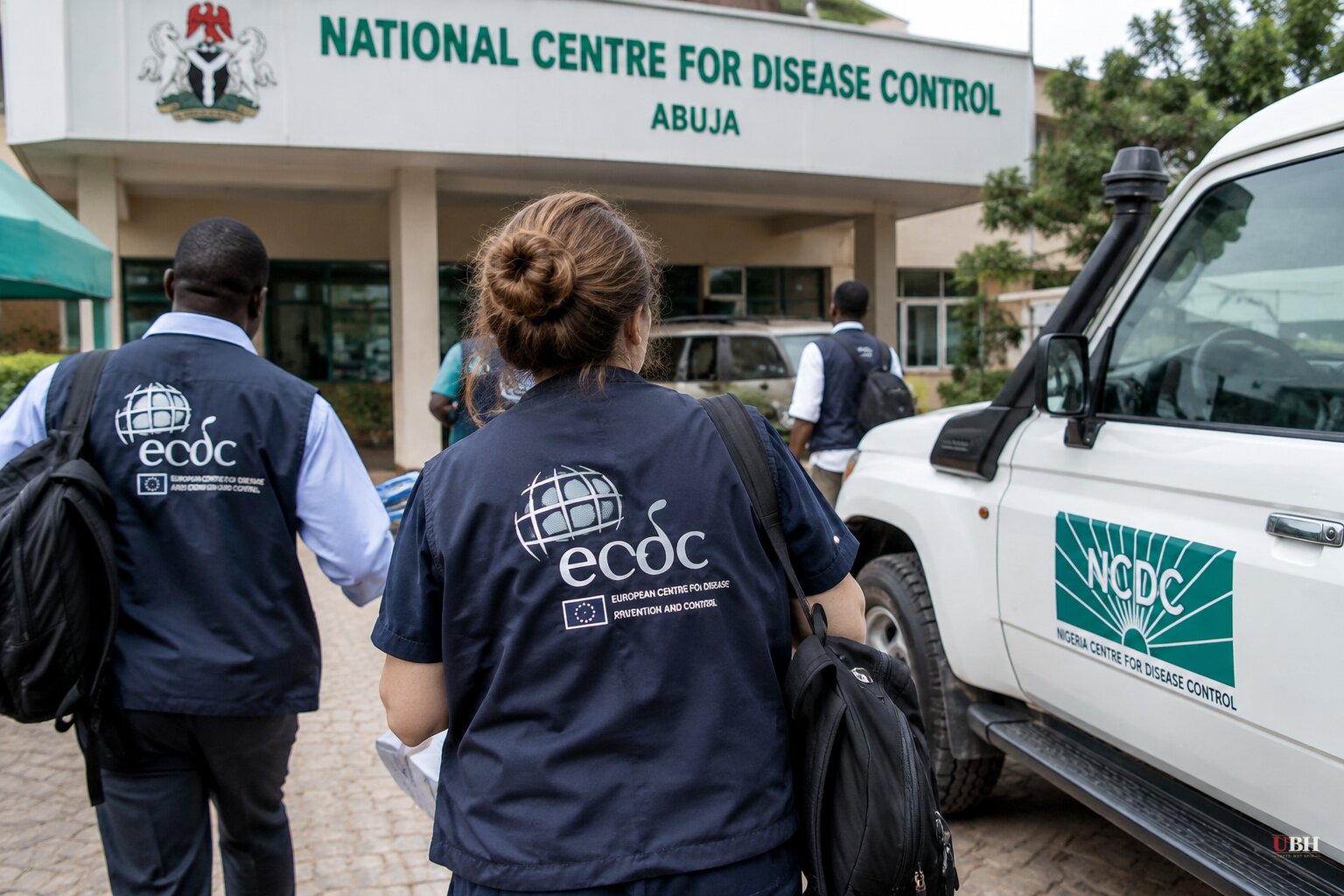
Since Congo declared its Bundibugyo Ebola outbreak on May 15, the virus has reached Uganda, Kenya and Nigeria. This week the response has widened to include European investigators.
The European Centre for Disease Prevention and Control announced Tuesday, Oct. 27, that it has deployed a team to Nigeria led by its senior expert in epidemic intelligence. The team will advise the EU Delegation in Abuja. The ECDC has also offered the Nigerian authorities help with surveillance, contact tracing, infection control and preparedness.
Nigeria is the fourth African country to report an Ebola case in this outbreak. The ECDC had earlier sent experts to support Africa CDC in May, ran a fact-finding mission on airport exit screening in Congo and Uganda in June, and deployed staff to South Sudan.
The unanswered question in Nigeria
The patient is a Ugandan-born woman living in Abuja. Nigerian officials say she entered the country on Oct. 5 and was first diagnosed with malaria on Oct. 11. She tested positive for Ebola on Oct. 19. She and her husband, a Swiss diplomat, were flown to hospitals in Geneva and Zurich on Monday, Oct. 26.
How she got infected is the live dispute. Nigerian Health Minister Muhammad Ali Pate said his ministry presumed the infection was likely picked up in Uganda, where Reuters reports she spent a two-week holiday.
Uganda's health ministry rejects that. It says she only transited through Uganda and that there is no evidence she was infected there. The ministry points out that the WHO declared Uganda Ebola-free in August. Uganda logged about 20 cases in May and June and none since.
Africa CDC Director-General Jean Kaseya told Reuters her travel documents show she never visited Congo, which contradicts statements from Ugandan officials. Nigeria's Ministry of Health said in an Oct. 23 update that genetic analysis showed her virus was related to the one identified in Kenya. It added that further investigation was needed to determine whether the cases are directly linked.
The Kenyan case offers one lead. Kenya's first case, reported Oct. 6, was a man who traveled from Congo through Uganda's Entebbe airport to Nairobi, where he died in an isolation unit.
Kenya's contact count
Kenya has now recorded nine confirmed cases and two deaths. Eight contacts of confirmed cases developed symptoms and tested positive. They were moved to the Ebola treatment centre in Nairobi, according to the United Nations.
On Monday, 20 contacts were released from quarantine after finishing a 21-day monitoring period. Ninety-eight contacts remain in quarantine, according to CIDRAP.
The U.S. CDC says the first Kenyan patient did not contract the virus in Kenya. Kenya's Ministry of Health reports no community transmission.
Congo's response narrows to five zones
The Oct. 26 update from Congo's Ministry of Public Health recorded 96 new confirmed cases and 46 deaths in 24 hours. The new cases were in North Kivu, Ituri and Tshopo provinces. The country's confirmed toll stands at 10,060 cases and 4,887 deaths, with a case fatality rate of 48.6 percent.
Dieudonne Mwamba Kazadi, director general of the National Institute of Public Health, said more than 2,500 people have recovered and contact-tracing follow-up is running at about 87 percent. He said authorities are concentrating efforts on about five health zones that account for more than 80 percent of reported cases: Mambasa, Beni, Katwa, Bunia and Rwampara.
"Response activities are therefore being concentrated in these health zones to try to reverse the trend," Kazadi said.
Ituri is the hardest-hit province, accounting for 71.7 percent of confirmed cases, the ministry said. The UN says the outbreak has reached eight provinces. A mid-term review of the response is set for this week in Tshopo Province to guide the next phase.
Risk to Europe
The ECDC's latest threat assessment puts the likelihood of infection for Europeans living in or traveling to affected areas of Kenya and Nigeria as low, provided they follow precautions. It rates the chance of further spread in Europe as very low. The overall risk to the EU and European Economic Area population is very low.
There are no approved vaccines or treatments for the Bundibugyo strain, according to Reuters.
Africa CDC has scheduled an extraordinary virtual meeting for Oct. 28. Kaseya has called the outbreak the most geographically extensive Ebola outbreak in history and said it demands "political leadership at the highest level." Whether the ECDC team and Nigerian investigators can settle where the Abuja patient was infected may decide whether Uganda's clean record holds.
Sources used for this briefing
7 links from 7 independent newsrooms (syndicated copies of the same report count once)
These are the sources it draws on, linked so you can verify.


