
Unbiased headlines. Facts, not spin.
Unbiased Headlines is an independently owned news organization. We bring you the facts, not opinions, written fresh from 110+ named sources. Sources linked so you can verify it yourself.
 health
Notable (5/10)
Chinese Brands Hold 15% of Mexico's Car Market While U.S. Trade Barriers Keep Them Out of American Showrooms
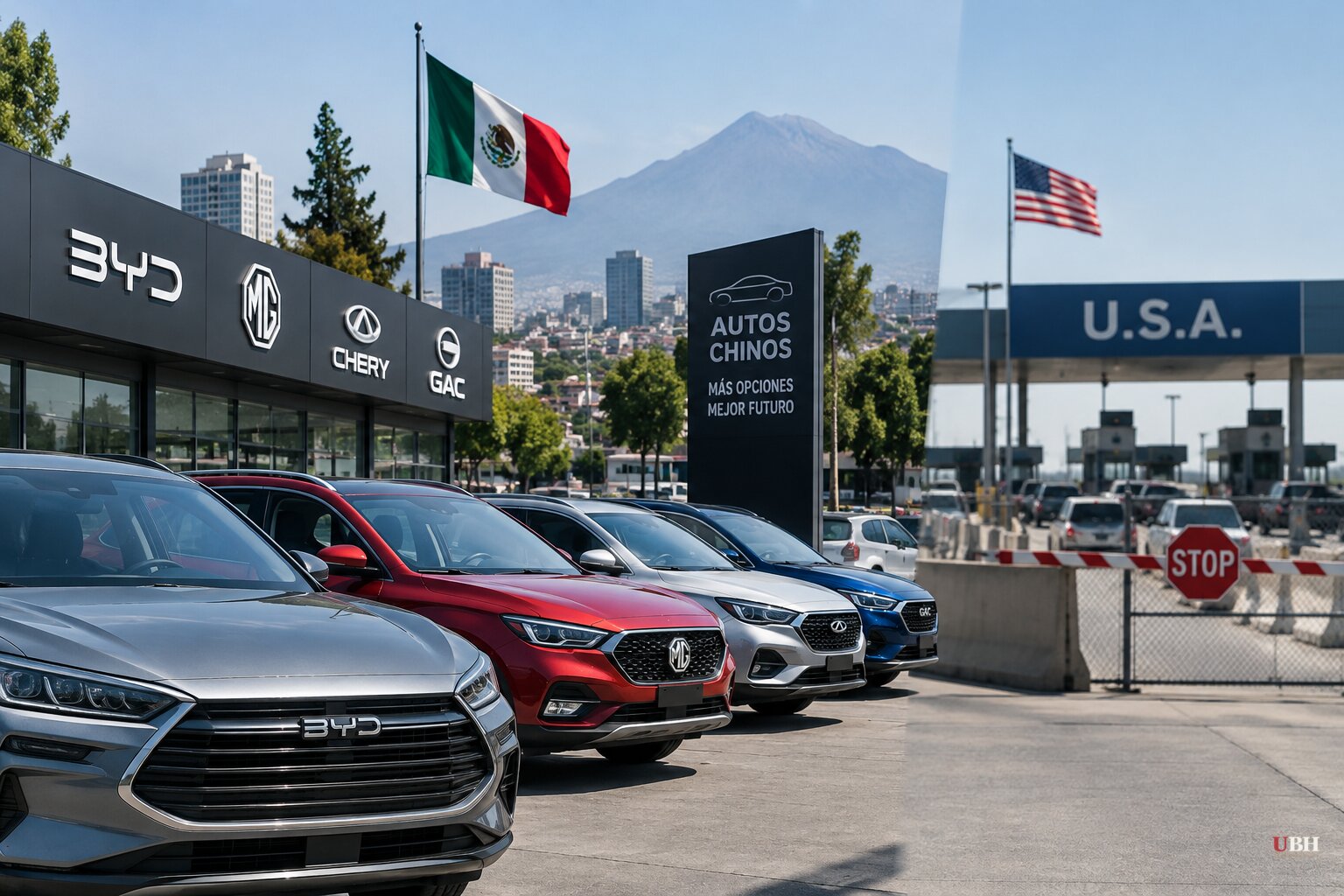
Walk into a dealership in Mexico City and you find cars that cannot legally be sold a few hundred miles north.
Washington Post columnist Michael J. Coren went there this spring to test-drive them. In a column dated Oct. 27, he describes Chinese brands such as Zeekr, JAC and BYD sitting alongside aging Chevys and Fords. Their prices are far below comparable Western models.
What the cars offer
Coren's account is that some of the features are gimmicks: heated massage seats, karaoke mode, spa-style cabin settings and very fast acceleration.
The bigger gap, he writes, is how much technology comes bundled at low prices. That includes fast-charging, powerful batteries and sophisticated software. He says some interior luxuries appear in Western models only at twice the price.
He also points to BYD's plug-in hybrid pickup. Coren says it has no American rival at any price.
These are a columnist's impressions from test drives, not a controlled comparison. The market numbers are the harder evidence.
The numbers
Per the column, Chinese-branded vehicles in Mexico have gone from less than 1% to 15% market share in five years. Coren also puts the Chinese share of electric vehicles in that market at about 90%.
He says the U.S. has seen its auto market share fall or stagnate in Asia, Europe and Latin America. At home, he writes, the Big Three now hold less than 40% of the U.S. market, down from 92% in 1965.
Tesla has also slipped on the world stage. According to the column, BYD took the title of world's largest EV maker last year. BYD's global sales have surged while Tesla's have retreated over the past two years.
The wall around the U.S. market
Coren writes that a wall of tariffs, trade barriers and software restrictions effectively bans Chinese EVs from entering the United States. American drivers have no access to the cars he drove.
That wall is a policy choice. It protects Detroit and Tesla from direct price competition. It also means U.S. buyers cannot weigh the tradeoff for themselves.
The column credits American strengths. Coren says Tesla's self-driving autonomy, AI infrastructure, software and powertrain efficiency are considered best in class, and that much U.S. EV technology can still match or beat what Chinese automakers put on the road. His warning is that the U.S. falls further behind every year.
The opposing view: it won't stay out
Clifford Winston, an economist and Brookings Institution fellow who specializes in transportation, argues the barriers will not hold. He predicts Chinese vehicles, or the technology inside them, will reach the American market within years, because the center of innovation in the global auto market has moved to China.
"Eventually, they'll come here," Winston said.
Coren says the technology has already arrived in part. Waymo's Ojai robotaxi, which runs on American software, is built in China. So are the Buick Envision and the Lincoln Nautilus.
Ford CEO Jim Farley said in 2023: "We see the Chinese as the main competitor, not GM or Toyota." Coren reads that as a sign that China is where Western companies now go to learn how to build the EVs the world will buy.
What is unresolved
The column is opinion and rests on one reporter's trip. It does not include a government or industry response on how long the U.S. restrictions will stay in place. It does not say what share of Mexico's Chinese-brand sales is electric versus hybrid or gasoline.
The policy tension is real. Washington has made a deliberate choice to keep Chinese vehicles out. Meanwhile, vehicles built in China are already on American roads under Western nameplates, and Winston is predicting a timeline of years, not decades. Whether the U.S. barriers outlast that timeline is the open question for Detroit, Tesla and every American buyer.
Sources used for this briefing
3 links from 2 independent newsrooms (syndicated copies of the same report count once)
These are the sources it draws on, linked so you can verify.


