
Unbiased headlines. Facts, not spin.
Every story is an unbiased news briefing written from 110+ sources across the spectrum — sources linked so you can verify it yourself.
 economy
Notable (6/10)
July 31, 2026 at 10:16 AM
economy
Notable (6/10)
July 31, 2026 at 10:16 AM
Europe and the Western US Bake Under Back-to-Back Heat Waves, Fueled by El Niño and a Stuck Jet Stream
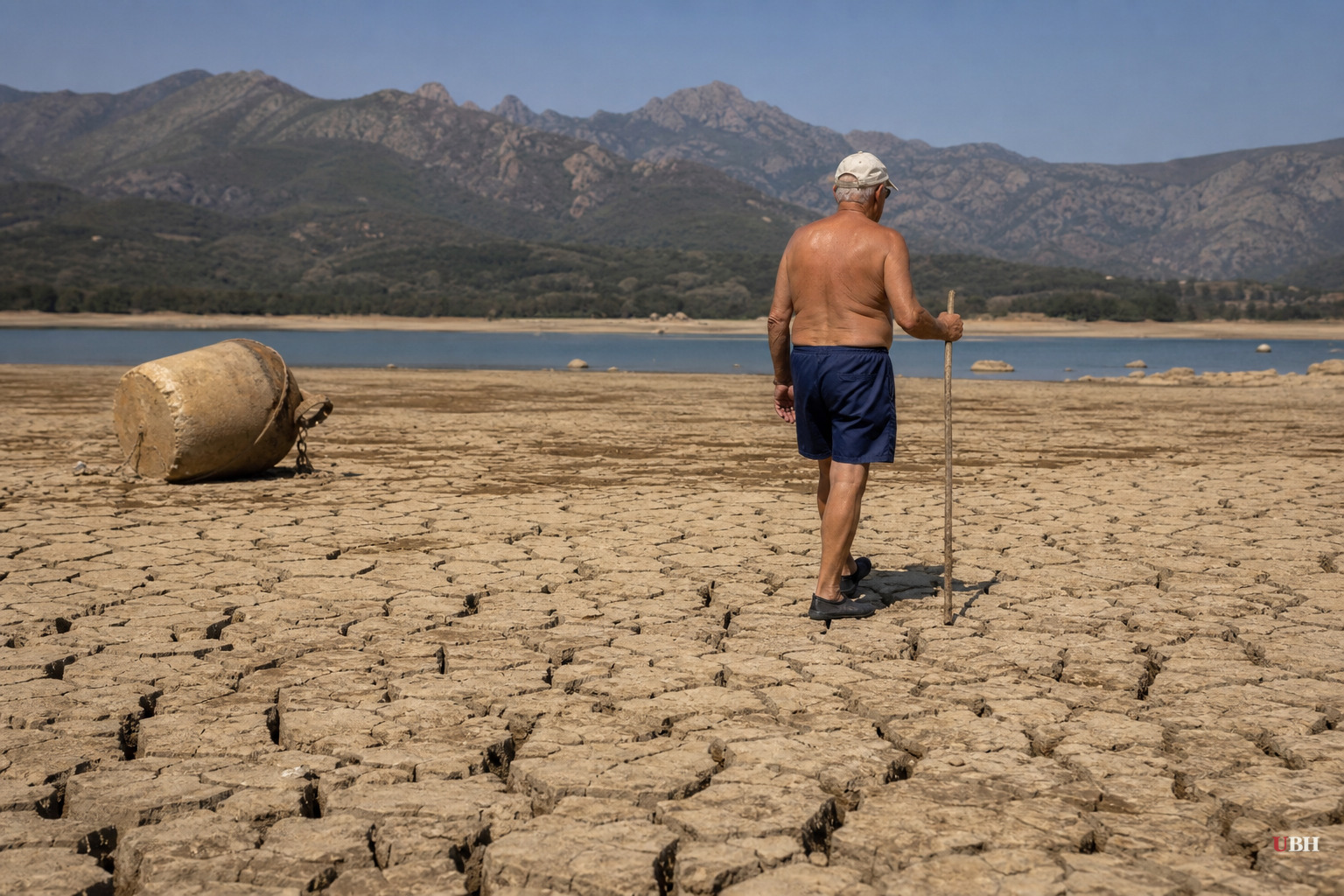
Western Europe just came off its hottest June on record, followed by wildfires severe enough that French President Emmanuel Macron described the combination as the toughest challenge the country has faced since World War II.
Hundreds of individual heat records have fallen across Spain and Germany in recent weeks, according to Wired. Another round of high temperatures is now moving through the region.
The western US isn't catching a break either. Phoenix is expected to reach up to 115 degrees Fahrenheit (46 Celsius) this weekend. Salt Lake City is bracing for a potential record high of 106 Fahrenheit. Montana is under an extreme heat watch, with some areas expected to reach 110 Fahrenheit, conditions that could intensify wildfires already burning in the state.
Daniel Swain, a climate scientist at the University of California Agriculture and Natural Resources, says interior Western cities will be near or at record temperatures for early August. "It's a pretty hot time of the year to begin with, so it's a fairly high bar," Swain says. He points to cities that are already famous for brutal heat somehow topping their own worst records.
What's getting less attention than the daytime highs is what's happening at night. Swain says Phoenix temperatures this weekend "won't drop much below 100 degrees," calling that "extremely, extremely hot, even for a place that is infamous for being very hot." Phoenix tied its record for highest overnight low last Thursday, when temperatures bottomed out at 97 degrees Fahrenheit. Overnight heat matters because it's what determines whether people, especially the elderly and those without reliable air conditioning, get any physiological recovery before the next day's heat hits.
South Korea and Japan are also dealing with severe heat, part of what Wired describes as large swaths of the world weather map painted red simultaneously.
What's actually driving this
The mechanism getting the most scientific attention isn't just "it's hot," it's why the heat is getting locked in place. Jennifer Francis, a senior scientist at the Woodwell Climate Research Center, points to the jet stream, the band of air circling the northern hemisphere that Francis says "creates and steers most of the weather we experience."
When the jet stream turns wavy instead of running in a relatively straight line, it can let tropical air push north and get stuck over regions that are normally temperate. In Europe's case, Wired reports the jet stream is also dragging in heat from ocean waters around the continent that are running abnormally warm.
Layered on top of that pattern is El Niño, the cyclical warming of Pacific Ocean surface waters that periodically raises global average temperatures on top of the existing warming trend. Wired's reporting attributes the current heat wave to a combination of three factors: unusually warm ocean waters, El Niño, and the jet stream pattern, plus what the piece calls "man-made climate change, of course."
That last phrase bundles multiple factors together without separating out the magnitude of each. Long-term global warming from greenhouse gas emissions is documented by decades of temperature records and is not seriously disputed in the scientific literature. What's harder to isolate in any single heat wave is exactly how much of it is the long-term warming trend versus El Niño's cyclical contribution versus the specific jet stream pattern this particular summer.
Skeptics of aggressive climate policy have a fair point when they note that heat waves, wildfires, and extreme weather have always occurred, and that any single event getting labeled a climate change symptom risks overstating certainty. That's a legitimate methodological caution. But it doesn't erase the specific, measurable facts here: France's own president calling this the country's toughest heat-and-fire combination since WWII, hundreds of broken records across Spain and Germany, and Phoenix tying its record for warmest overnight low just last week. Those are documented data points, not projections.
What happens next
Phoenix and Salt Lake City are watching to see if this weekend's forecasts actually produce new record highs. Montana's extreme heat watch remains active alongside ongoing wildfire activity in the state. Whether France's wildfire season worsens further, and whether Macron's government faces pressure over resource allocation for firefighting, remains an open question heading into August.
Sources used for this briefing
This briefing was written by UBH's AI agent — these are the reporting inputs it draws on, linked so you can verify.


