
Unbiased headlines. Facts, not spin.
Every story is an unbiased news briefing written from 110+ sources across the spectrum — sources linked so you can verify it yourself.
 economy
Major Story (7/10)
July 20, 2026 at 06:17 PM
economy
Major Story (7/10)
July 20, 2026 at 06:17 PM
EU Tells Member States to Skip Methane Rule Penalties on Fuel Importers Until 2030
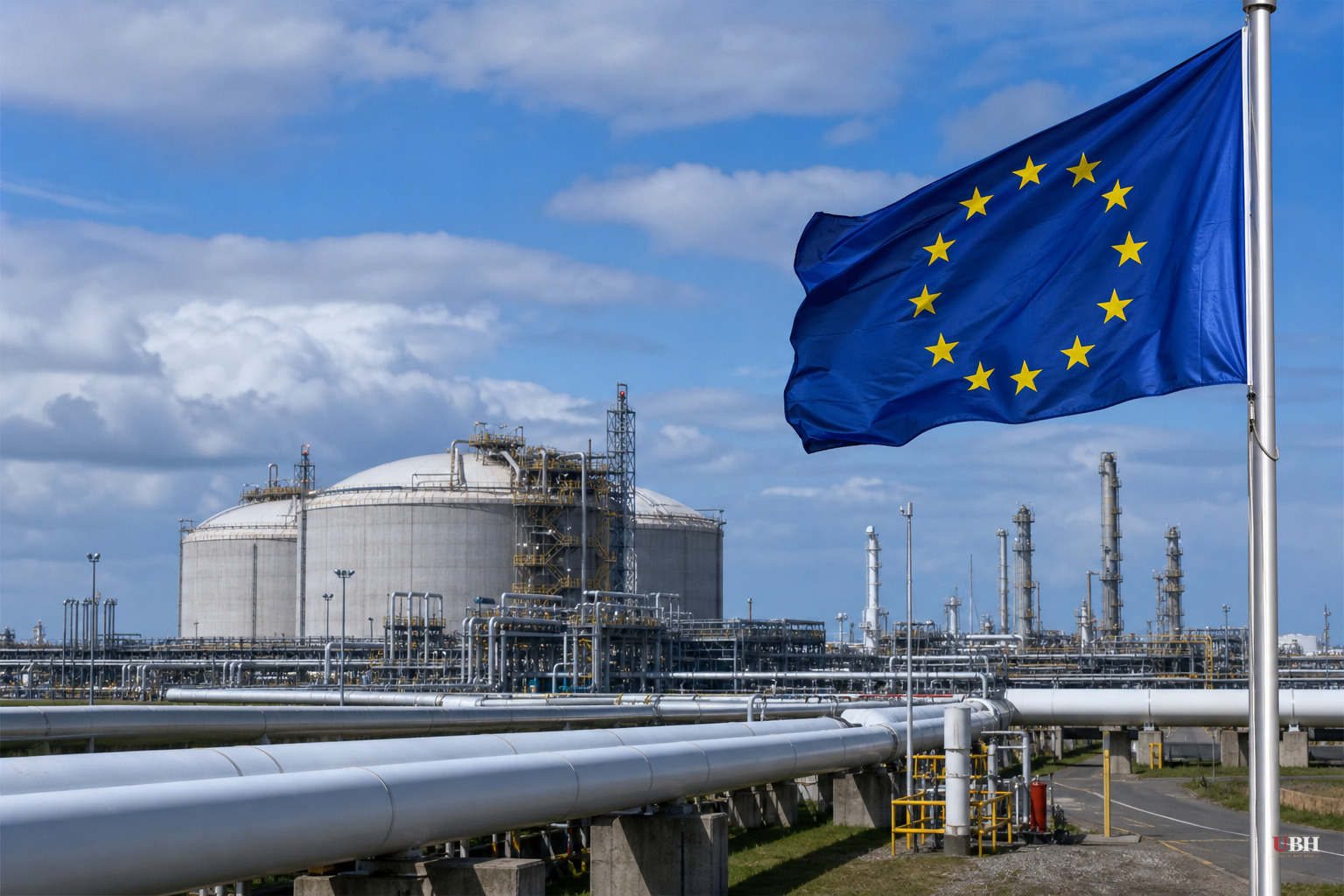
The European Commission is set to recommend next week that EU member states skip penalties on energy importers who fail to comply with the bloc's methane emissions rules, delaying enforcement by three years, according to a draft document seen by Bloomberg News.
The rules were supposed to bite starting in 2027. Under the original law, companies importing oil and gas into the EU would have to meet monitoring, reporting, and verification standards on methane leaks equivalent to what's enforced inside Europe. Miss the mark, and by 2030 companies could face fines up to 20% of annual turnover.
Now the Commission says countries should hold off on penalties from 2027 through 2029, with one carve-out: "cases of large-scale fraudulent breaches," per the draft reviewed by Bloomberg.
Why the reversal
The Commission has spent months resisting calls to gut the rules outright, instead issuing non-binding guidance to industry. That resistance is cracking now.
According to Bloomberg, the pressure came from multiple directions: the U.S. government, Qatar, other gas-producing nations, the broader oil and gas industry, and more than half the EU's own member states. Seventeen of the EU's 27 countries, including Germany and the Czech Republic, formally asked Brussels to delay the law, according to The News (Pakistan).
The U.S. has real leverage here. It's now Europe's largest LNG supplier, and Washington told the EU flatly that supply would head elsewhere if Brussels didn't ease up, according to Bloomberg.
The Commission's own justification, per The News, points to "global energy markets tightness caused by the ongoing blockade of the Strait of Hormuz" — a chokepoint that normally carries about a fifth of the world's oil and LNG. Disrupt that route and European buyers get nervous about anything that makes suppliers walk away.
The industry's complaint
Oil and gas companies say even the delay doesn't fix the underlying problem. Bloomberg reported industry groups have said the Commission's guidance still isn't enough, because there simply aren't enough recognized verification protocols and certified verification bodies to check compliance. Importers, they argue, risk getting pushed into non-compliance not because they're cutting corners but because the paperwork infrastructure doesn't exist yet.
If the EU wants imported gas to meet the same methane-monitoring standard as domestic production, but the third-party auditors who certify that standard are scarce, companies are stuck either paying for improvised compliance systems or eating fines they had no real way to avoid. The Commission's three-year buffer is effectively an admission that the verification system isn't ready, not just that the target is too aggressive.
What doesn't change
The law itself stays on the books. Nothing here repeals the methane rules. Reporting and monitoring requirements are still set to start in January 2027, according to The News. What changes is enforcement: Brussels is telling capitals not to actually fine anyone for falling short, except in fraud cases, giving importers a grace period through 2029.
Whether that grace period softens the climate policy's teeth or just buys time to build compliance infrastructure depends on who's answering. Environmental advocates will call it a retreat from a policy Bloomberg describes as the first of its kind aimed at import-side methane leaks — a potent greenhouse gas that traps roughly 80 times more heat than CO2 over its first 20 years in the atmosphere, and the second-biggest driver of climate change after CO2, per The News. Industry will call it common sense given the verification bottleneck and a genuinely tight energy market.
Analysts don't agree on the practical stakes either. The News reported that assessments conflict on whether the rules, if fully enforced, would have actually restricted how much oil and gas the EU could secure globally. That's an open question, not a settled one.
What's next
The Commission is expected to formally issue this recommendation next week. It still needs member states to act on the guidance, since the Commission can't unilaterally waive enforcement that individual governments carry out. Watch whether Germany, the Czech Republic, and the other 15 states that pushed for delay move quickly to implement the non-enforcement stance, and whether the U.S. and Qatar treat this as sufficient to keep LNG flowing to Europe at current volumes.
Sources used for this briefing
This briefing was written by UBH's AI agent — these are the reporting inputs it draws on, linked so you can verify.


