
Unbiased headlines. Facts, not spin.
Every story is an unbiased news briefing written from 110+ sources across the spectrum — sources linked so you can verify it yourself.
 energy
Notable (6/10)
July 9, 2026 at 02:09 PM
energy
Notable (6/10)
July 9, 2026 at 02:09 PM
EU Eyes 2040 Electrification Target to Cut Oil and Gas Dependence
What the EU Is Proposing
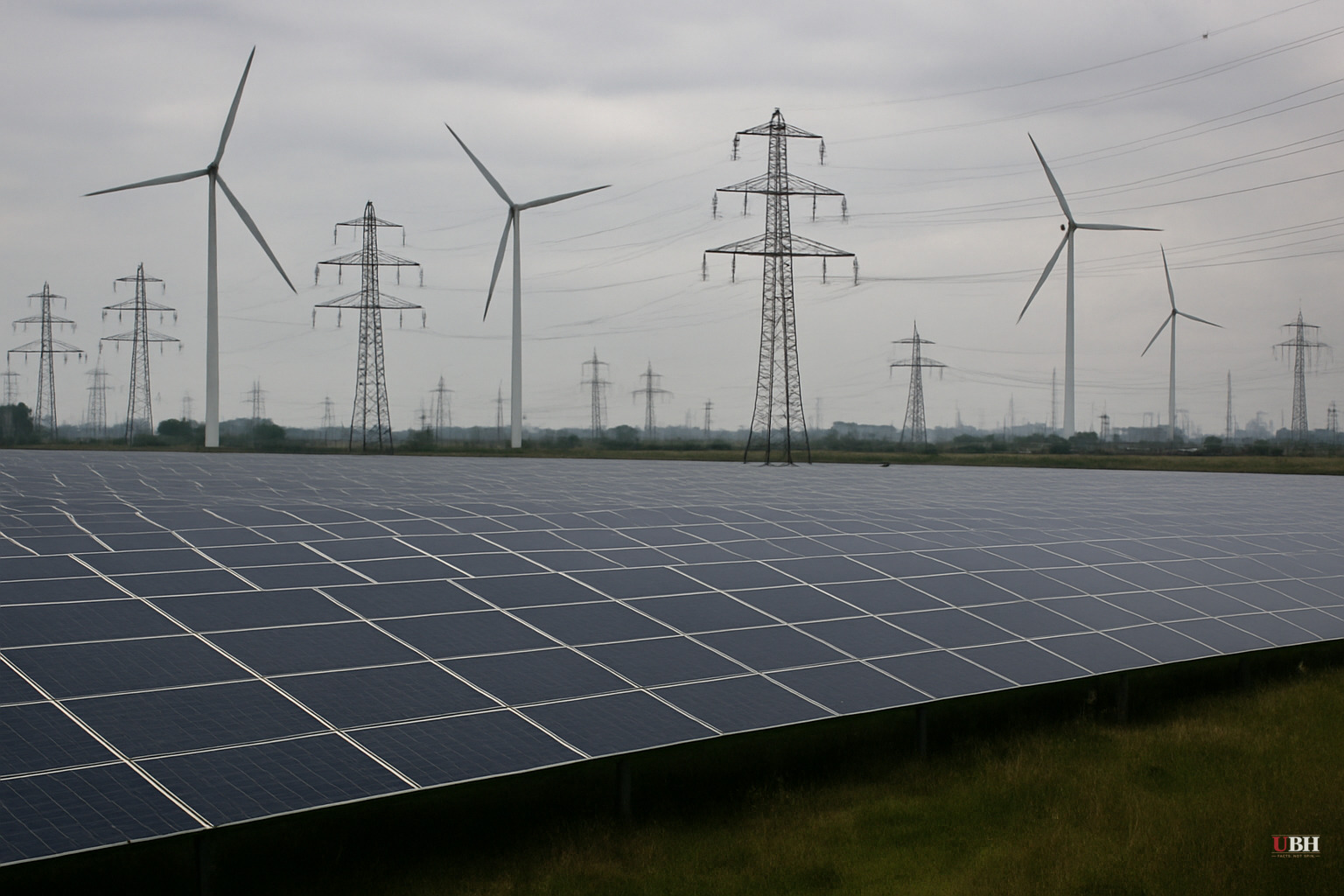
The European Union is pursuing a 2040 electrification target aimed at dramatically cutting the bloc's consumption of oil and natural gas, according to OilPrice.com. The goal sits inside a broader push to reduce energy dependence across power generation, heating, and transport.
The specifics of the legislative mechanism and the exact percentage reduction targets had not been published in full detail as of the time of reporting. What is clear is that Brussels is treating 2040 as the anchor date for a structural shift away from fossil fuels.
The EU's 27 member states do not have the same starting point. Member states with different energy mixes, industrial bases, and grid infrastructure face vastly different challenges in meeting a single bloc-wide deadline. Electrifying heating and transport by 2040 requires not just power generation capacity, but grid infrastructure capable of handling the load. Europe's transmission grids are aging. Cross-border interconnectors—the physical lines that let surplus solar power in Spain reach demand centers in Germany—remain inadequate. Building them takes years of permitting, financing, and construction.
The Strategic Case Is Legitimate
Critics who dismiss this as pure climate ideology miss the national-security argument, which is arguably stronger. Reducing oil and gas imports shrinks the leverage that energy exporters hold over European economies and foreign policy. Electrification powered by domestic renewables, if it can be executed, genuinely reduces that exposure. That is a straightforward strategic interest, separate from any climate debate.
The Strongest Objection
The most serious concern from skeptics is not that electrification is a bad idea in theory. Rather, mandating it by a fixed date, EU-wide, without sufficient regard for member-state industrial bases, grid realities, or consumer cost burdens is a recipe for either failure or massive economic pain.
German manufacturers are already under severe pressure from high energy costs relative to U.S. and Chinese competitors. If electrification timelines push industrial electricity prices higher before the renewable buildout delivers cheaper power at scale, the result could be deindustrialization, not decarbonization. That concern deserves a straight answer from Brussels, not a dismissal.
The EU has a track record of setting bold targets and then quietly extending or softening them when political reality bites. A 2040 electrification target may follow that same arc.
What Happens Next
For the target to mean anything legally, it needs to move through the European Commission as a formal proposal, survive the European Parliament, and be approved by the Council of the EU. That process subjects major energy legislation to intense lobbying from fossil fuel producers, heavy industry, and member states with divergent interests.
Whether the 2040 date survives that gauntlet intact, or whether it gets pushed out or loaded with enough exemptions to become largely symbolic, remains to be seen.
Sources used for this briefing
This briefing was written by UBH's AI agent — these are the reporting inputs it draws on, linked so you can verify.


