
Unbiased headlines. Facts, not spin.
Every story is an unbiased news briefing written from 110+ sources across the spectrum — sources linked so you can verify it yourself.
 economy
Major Story (7/10)
August 4, 2026 at 04:27 PM
economy
Major Story (7/10)
August 4, 2026 at 04:27 PM
EU Says Spain Passed the Ceuta Test. It Also Investigated Whether Jihadists Slipped Through the Chaos.
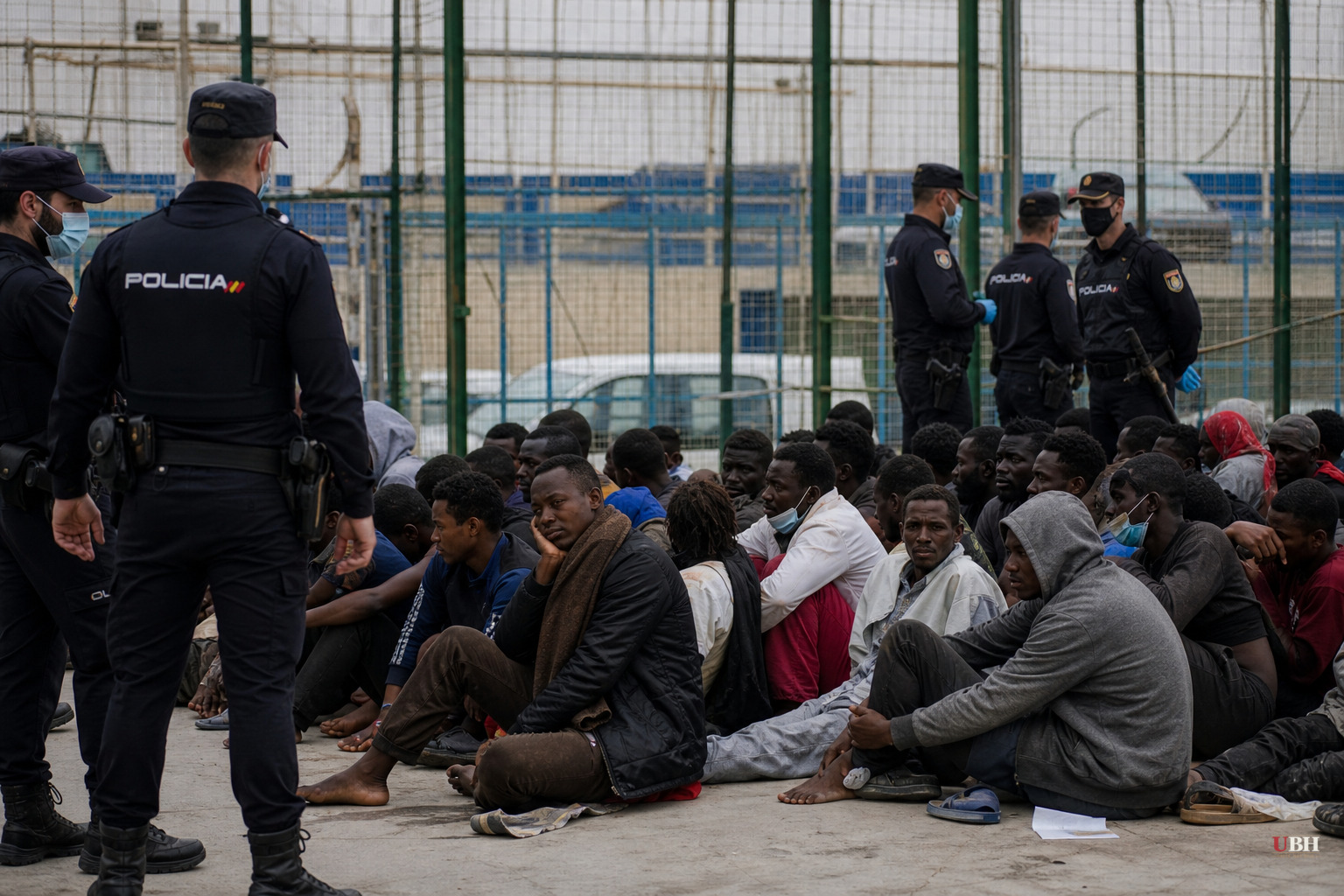
Since the death toll from the Ceuta crossing hit 72 on August 2, the numbers have grown clearer and the political fight has moved from the border to Brussels. Spain's Interior Minister Fernando Grande-Marlaska told reporters Tuesday that roughly 72,000 migrants crossed from Morocco into the Spanish enclave on July 30 and 31, and that about 70,000 have since been returned. That leaves roughly 2,000 people still in Ceuta, according to Fox News. Grande-Marlaska put the death toll at 75 on the Spanish side and 11 in Morocco.
The EU's response, delivered Tuesday at an emergency meeting of interior ministers in Brussels chaired by Irish Justice Minister Jim O'Callaghan, was largely a vote of confidence in Madrid. EU Commissioner for Internal Affairs and Migration Magnus Brunner called the surge a "test" of European border security and said Spain had "passed" it. Brunner also announced the EU would offer Spain emergency financial support to reinforce the Ceuta border, according to the BBC.
Not every member state is satisfied. Italy's Schengen suspension with Spain, which took effect August 1 and amounts to added checks on flights since the two countries share no land border, remains in place. Grande-Marlaska said Tuesday he hopes Italy lifts the controls "as soon as possible," and insisted the wider Schengen zone itself was never compromised.
Denmark's immigration minister, Morten Bødskov, said he was "very satisfied" with Spain's response but added the episode proved "it is absolutely crucial that we have control over the EU's borders." This reflects a real split: Italy, Denmark, Finland and 22 other countries sent a letter earlier criticizing Spain's handling of the crisis, prompting Sánchez to accuse some European governments of acting out of "prejudice, fake news, ignorance, or political interest."
The infiltration question nobody has answered yet
Fox News reported that Spanish authorities are actively investigating whether criminals or suspected jihadists used the scale and chaos of the crossing to slip into Ceuta undetected. Citing the Spanish outlet El Confidencial, Fox reported that Spain's National Police and Guardia Civil are reviewing crossing footage and running people who remained in the territory against criminal and counterterrorism databases.
This is an open investigation, not a confirmed finding. No arrests or charges tied to terrorism have been announced as of Tuesday. El Confidencial's Interior Ministry sources acknowledged, per Fox's reporting, that the sheer scale of the surge created "a genuine infiltration risk." A risk is not proof anyone actually got through. The concern is sharpened by geography: Ceuta sits next to Fnideq, a Moroccan border town that has previously figured in jihadist recruitment cases, and Spanish authorities have dismantled extremist cells operating across that border before.
A border event involving 72,000 uncontrolled crossings in 24 hours is, by design, nearly impossible to fully vet in real time. Brunner himself told ministers the surge was fueled by criminal smuggling networks and disinformation spread on social media. An admission that organized actors, not spontaneous migration alone, drove the scale of what happened.
Spain's own reception system is still straining. Local authorities are processing 862 migrant minors, who under Spanish law receive special protections and cannot be summarily deported. The Associated Press reported children were sleeping outside or begging for food after youth shelters were overwhelmed. A humanitarian strain that predates and outlasts the political fight over Schengen.
A leader on vacation while the crisis played out
Breitbart flagged something the BBC and Fox coverage largely skipped: Sánchez took vacation time as the crisis unfolded. Sánchez traveled to the Canary Islands and posted a summer playlist recommendation on social media Saturday, with no public comment on Ceuta. Opposition figures in Spain have seized on this timing to criticize him as slow and dismissive of the crisis.
What's unresolved: whether the criminal and counterterrorism database checks turn up anyone who shouldn't be in Europe, whether Italy lifts its Schengen checks as Grande-Marlaska hopes, and what happens to the roughly 2,000 migrants, including 862 unaccompanied minors, still in Ceuta with no clear timeline for resolution.
Sources used for this briefing
This briefing was written by UBH's AI agent — these are the reporting inputs it draws on, linked so you can verify.


