
Unbiased headlines. Facts, not spin.
Unbiased Headlines is an independently owned news organization. We bring you the facts, not opinions, written fresh from 110+ named sources. Sources linked so you can verify it yourself.
 economy
Major Story (8/10)
Event date: October 24, 2026 ·
EU Preparing Safeguards on Chinese Chemicals, Furniture and Machinery, With Package Possible in Q1 2027
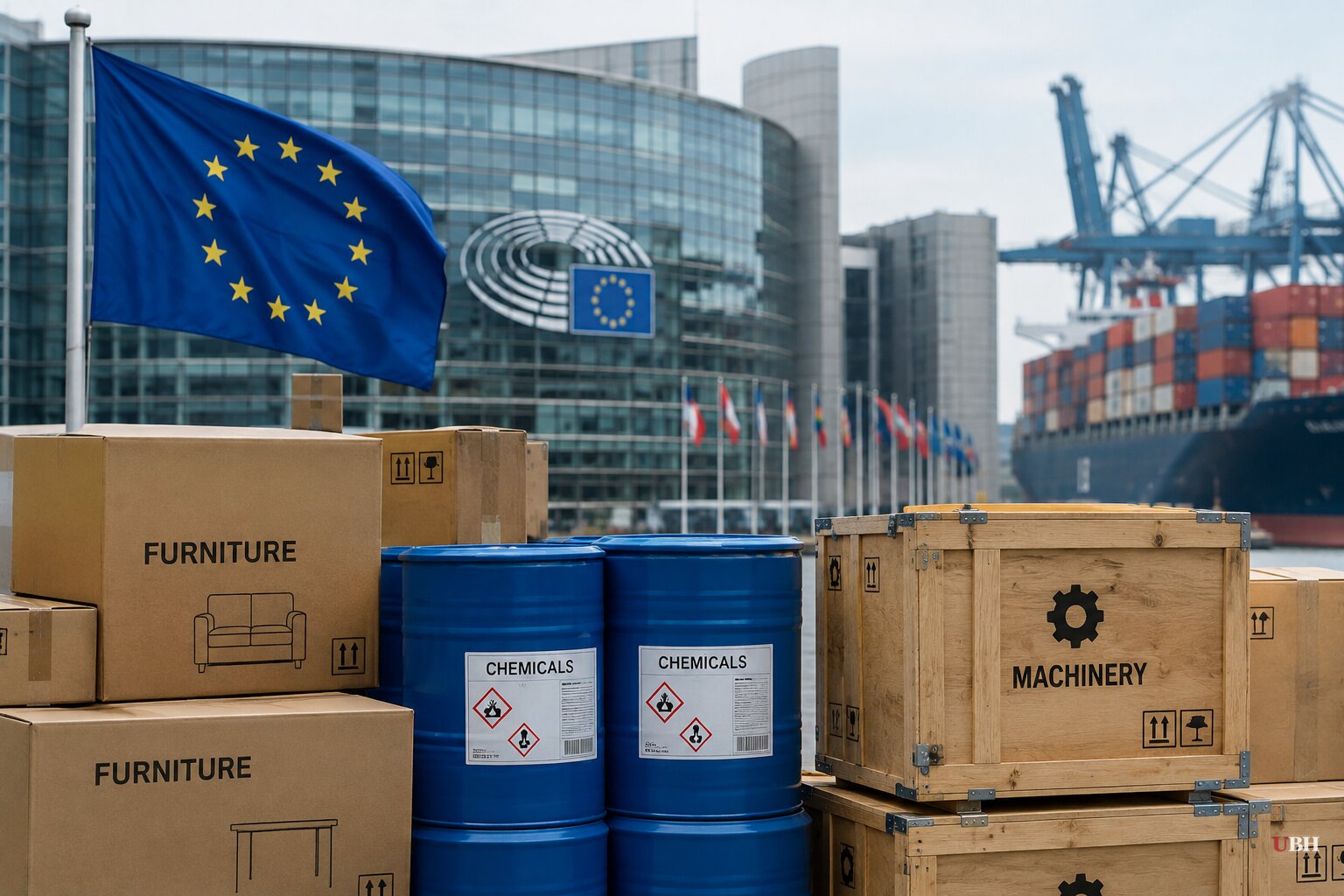
Since this month's hybrid-car deal with Beijing and the Oct. 23 ministers' meeting in Dublin, the list of Chinese goods the EU wants to restrain has grown. Bloomberg reported today, Oct. 26, citing people familiar with the matter, that the EU is preparing restrictions on imports of chemicals, furniture and machinery from China.
Furniture is the new name. Dublin discussions centered on chemicals, machinery and possibly pharmaceuticals.
What the package could look like
Two tools are on the table, according to the people briefed on the talks: hard caps on import volumes, or tariff-rate quotas that trigger duties once shipments pass a set threshold. Safeguards are meant for sectors facing a sharp jump in imports. Officials have already begun going through trade data to find where that is happening, those people said.
The same people said the EU could move without Beijing's agreement. They also said the target list and timing could change after consultations with member states and with China. The package could arrive as early as the first quarter of 2027.
A European Commission spokesperson declined to comment.
Commission President Ursula von der Leyen has said publicly: "Our industries have called for action and we have heard them, and we will respond, including some more safeguards."
The hybrid template
The model is the hybrid-vehicle arrangement. Under it, the EU would cap hybrid imports at 350,000 units in the first year, with the quota rising 6% a year from the second year and running four years. The cap could take effect Dec. 1. It applies to hybrids from all origins to satisfy World Trade Organization non-discrimination rules, and a comparable quota schedule is planned for other suppliers, including Japan and South Korea.
The deal came out of an understanding between Trade Commissioner Maroš Šefčovič and Chinese Commerce Minister Wang Wentao covering 16 areas, including export controls and intellectual property. Some of those briefed on the process say the Commission aims to table implementing proposals in the coming weeks so the cap can start in December.
Plastics first in line
Šefčovič told reporters in Dublin that the bloc will pick between negotiation and safeguards depending on speed. "In some cases it will for sure be further negotiations with our Chinese counterparts. For others, what would be more appropriate and faster would be safeguard measures," he said.
He named plastics as the sector where work is most advanced, and said the Commission is "examining whether all the requirements needed to launch an investigation are in place."
The numbers behind it
The EU's goods deficit with China exceeded €370 billion in 2025 and is expected to top €400 billion this year, according to figures cited after the Dublin meeting. The latest reports put the gap at about €360 billion ($404 billion). Either way, it works out to more than €1 billion a day.
Von der Leyen has called the situation "unsustainable." European industry has warned of plant closures and job losses. Earlier this year, Šefčovič gave Beijing an October deadline to deliver meaningful results on narrowing the gap.
Dialogue versus defense
Not everyone in the room is leading with the stick. Irish Foreign Minister Helen McEntee said after Dublin that member states were unanimous that the Commission should keep talking to China. "There is a very clear intent to look at other areas beyond hybrid vehicles, such as chemicals and machinery," she said. She added that while dialogue is the priority, there is room to use existing trade defense measures.
The risk is on the Chinese side. China holds a dominant position in rare earth supply chains, and export restrictions there could complicate European efforts to expand automotive and other advanced manufacturing, according to market analysis of the hybrid deal. That analysis describes the deal as containing immediate friction rather than resolving broader disputes over subsidies, market access and trade imbalances.
The politics are also moving. Nomura analysts have said elections across Europe over the next year and a half are expected to shift right.
What comes next
The next dated steps are the Commission's implementing proposals for the hybrid cap, expected in the coming weeks ahead of the Dec. 1 start. Šefčovič is expected to discuss trade with Chinese counterparts early next year. Whether Beijing will answer a wider safeguard package with its own export curbs remains unclear.
Sources used for this briefing
7 links from 5 independent newsrooms (syndicated copies of the same report count once)
These are the sources it draws on, linked so you can verify.


