
Unbiased headlines. Facts, not spin.
Unbiased Headlines is an independently owned news organization. We bring you the facts, not opinions, written fresh from 110+ named sources. Sources linked so you can verify it yourself.
 economy
Major Story (7/10)
Event date: October 24, 2026 ·
Healey Delivers First Budget Wednesday With Gilt Yields Near 5.4% and About £15 Billion of Headroom Expected
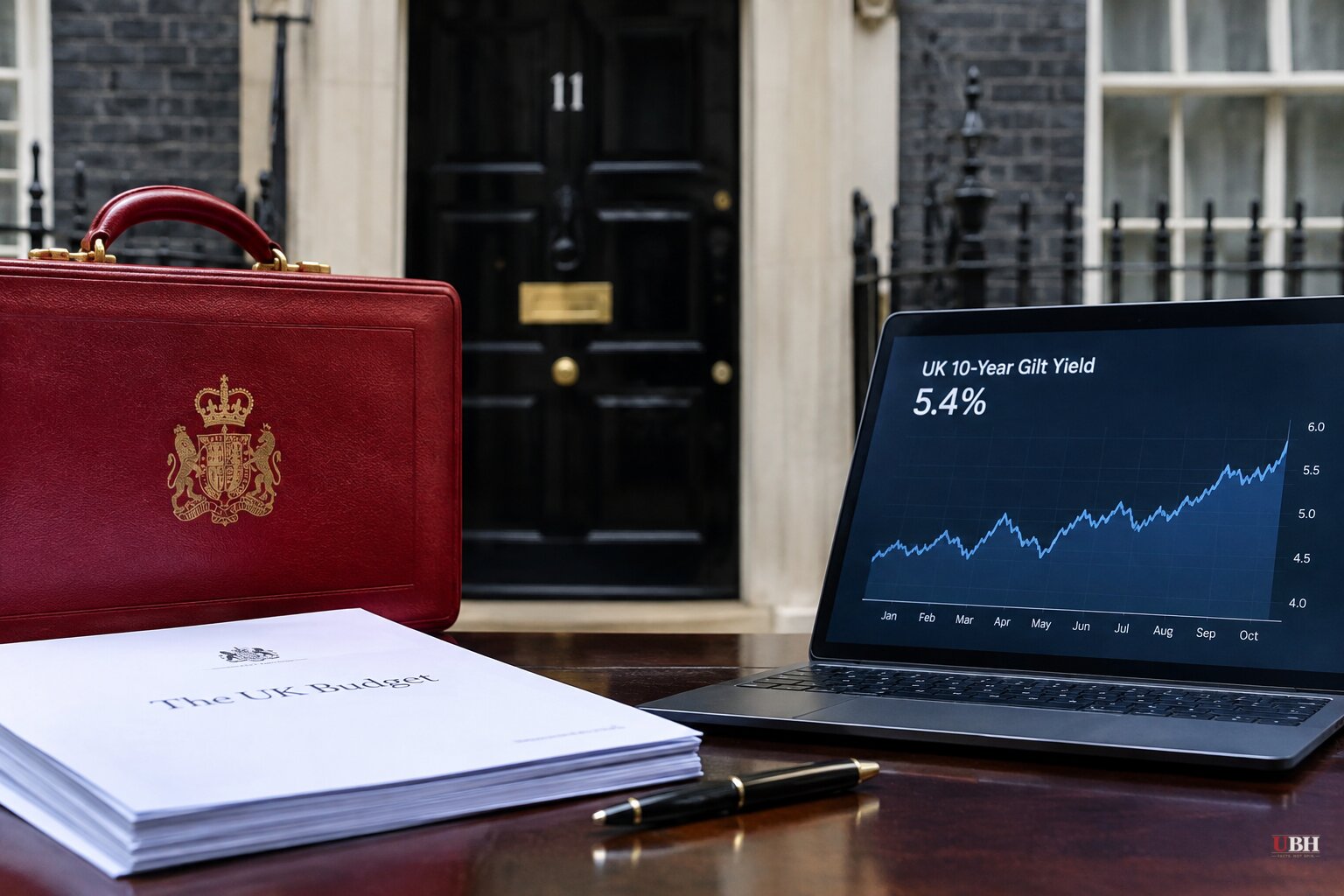
John Healey will stand up in the Commons on Wednesday afternoon, Oct. 28, to deliver the first Budget of Prime Minister Andy Burnham's government. He took over from Rachel Reeves this summer. Burnham replaced Sir Keir Starmer in July.
The numbers he inherits are not friendly. Public debt has passed £3 trillion. Borrowing in the 2025/26 financial year came in at £132 billion. Tax as a share of GDP sits near a post-war record of about 36%.
The bond market is the audience
The UK 10-year gilt yield rose above 5.5% earlier this month during a global debt sell-off, the highest since 2007. It has since eased to about 5.37% as signals emerged that Burnham will keep Starmer's economic framework.
Financial Times calculations show those borrowing costs, plus rising inflation, would open a shortfall approaching £12 billion and sharply cut fiscal headroom. Britain now has the highest government borrowing costs in the G7.
Gilts have still outperformed French and Italian debt in the sell-off. The gilt premium over French 10-year bonds has halved to 37 basis points in a month, according to Reuters market analysis. Sterling is probing 18-month highs against the euro, up almost 2.6% in a month, and has gained about 1% against the dollar.
That is a far calmer pre-Budget mood than last November, when fears over Reeves' tax and borrowing plans pressured the pound, gilts and the FTSE for weeks.
What the Treasury is expected to do
The Treasury has signalled a cautious package. Healey is expected to stick to the borrowing limits and avoid across-the-board tax rises. Expected measures include higher taxes on banks and what has been described as "targeted and temporary" help with energy bills for the neediest households. The Iran war has driven the energy-price shock.
A Bloomberg poll of primary dealers points to headroom of no less than £15 billion against the fiscal rule requiring day-to-day spending and revenue to balance by 2029-30.
The Treasury has also previewed an £800 million package of red-tape cuts. It includes £290 million in savings from streamlining company reporting, £105 million a year from reducing duplicate reporting for asset managers, and £116 million a year from simplifying home buying and selling. The home-buying reforms are based on a roadmap published in June: up-front sales packs, digital logbooks and binding conditional contracts.
Burnham said in announcing the package: "If you run a business, you want to spend your time serving your customers, creating jobs and growing your firm, not filling in unnecessary forms."
The Budget is also due to set out the Your First Home scheme, the replacement for Help to Buy. It offers first-time buyers a 20% loan on new-build homes with a minimum 2.5% deposit. Earlier reports put the earnings thresholds at £90,000 outside London and £110,000 in the capital. Later reports say they could rise to £110,000 and £140,000. The Sunday Times reported the property-value cap would be £500,000.
What investors are asking for
Fund managers want predictability. April LaRusse, co-head of global client portfolio management at BNY Investments, said a buffer of £15 billion to £20 billion would preserve market confidence. She said any energy support should be targeted and fully funded.
Andrew Chorlton, fixed income chief investment officer at M&G, urged Healey to avoid extra borrowing or hints of extra fiscal flexibility. He said M&G is overweight gilts and that longer-dated yields near 6% could draw in more buyers if the Budget shows discipline.
Mark Dowding of RBC BlueBay Asset Management said growth measures and action on rising spending look unlikely. He called a limited Budget the next-best outcome. Burnham's interest in a 2027 election could postpone big tax and spending moves, he said, leaving about £15 billion of headroom without fixing the underlying problems.
Roger Hallam, Vanguard's global head of rates, said temporary, targeted energy support is possible without austerity. Permanent spending commitments without identified funding would be concerning, he said.
Spending is the pressure point
Andy Haldane, a former Bank of England chief economist, told CNBC the UK is "skating on pretty thin ice in fiscal terms." He said the most effective way to avoid a crack would be for the government to show it is "able and willing to take the knife to public spending." Unless that happens, he said, Burnham "will remain, alas, in hock to the bond market."
Haldane called Burnham's push to end the pension triple lock a "good first instalment," but said welfare remains a "totemic issue" for Labour and for bond investors.
That tension is the political risk. Labour has 404 MPs, and some are pressing Burnham for faster change. A Treasury that leans on bank taxes and deferral rather than spending restraint will draw criticism from markets looking for cuts and from backbenchers looking for more.
Wealthy taxpayers and the tax take
For high-net-worth households, speculation has eased. Reports that a capital gains tax rise has been rejected and that an exit tax is not being pursued have been encouraging, said Phineas Hirsch, a private client partner at Payne Hicks Beach. He added that the Budget itself must confirm it.
Hirsch said his firm is seeing growing numbers of wealthy individuals leave the UK. "Giving them reasons to stay through a stable, competitive tax regime should be central to securing sustainable receipts," he said.
Inheritance tax receipts keep climbing. September 2026 brought in £936 million, against £671 million in September 2025. April to September totalled £4.7 billion. A full reversal of Reeves' decision to end agricultural and business property relief looks unlikely.
What to watch Wednesday
The test is the headroom figure published alongside Healey's statement. If it lands near the £15 billion that dealers and fund managers have said they can live with, the cautious approach will have held. If it comes in meaningfully lower, with yields near 5.4%, the gilt market has already shown how it reacts.
Sources used for this briefing
7 links from 6 independent newsrooms (syndicated copies of the same report count once)
These are the sources it draws on, linked so you can verify.


