
Unbiased headlines. Facts, not spin.
Unbiased Headlines is an independently owned news organization. We bring you the facts, not opinions, written fresh from 110+ named sources. Sources linked so you can verify it yourself.
 defense
Notable (6/10)
defense
Notable (6/10)
EU Locks In Deal for 348-Satellite IRIS2 Network, First Launches Set for 2029
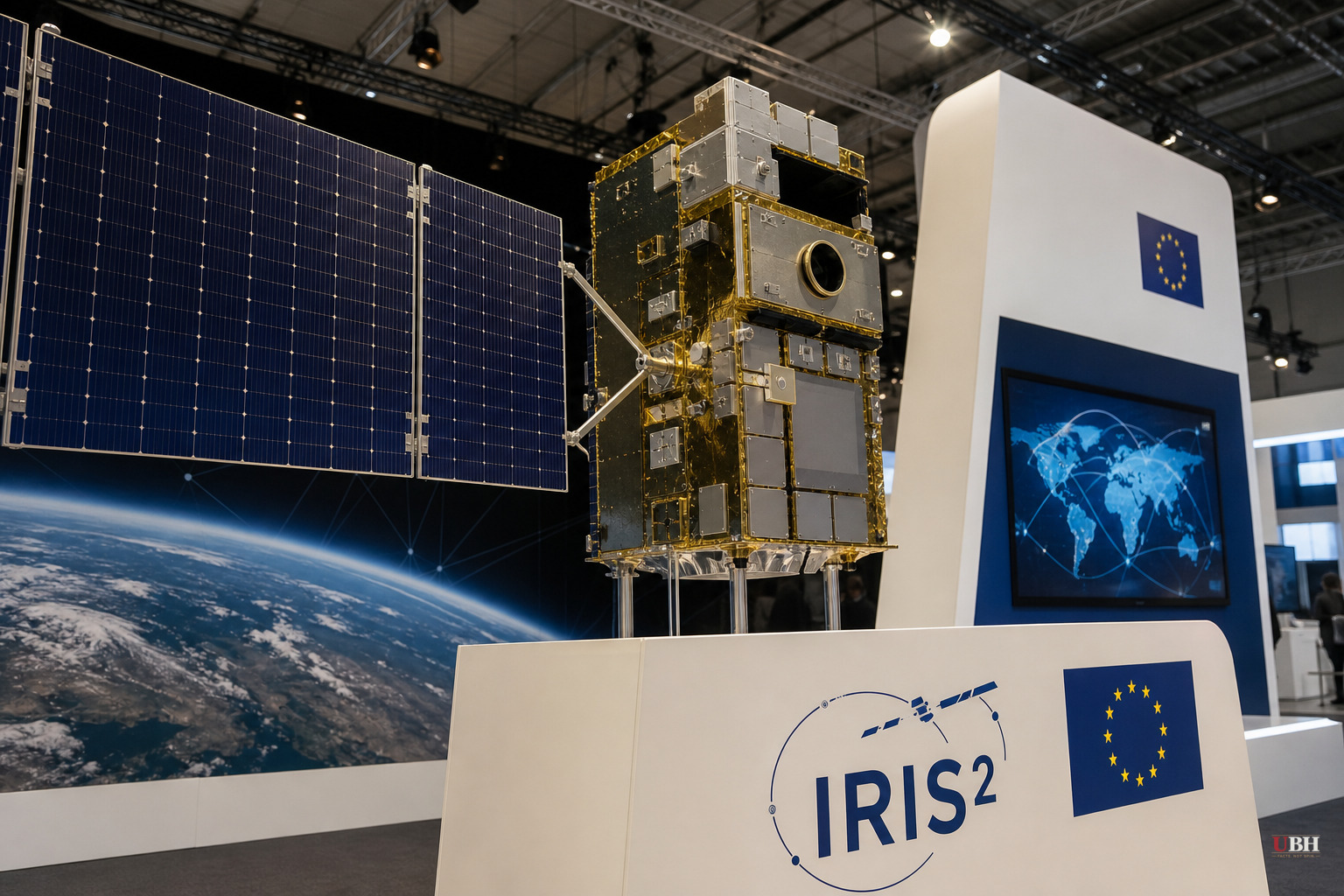
The European Commission has signed off on a detailed implementation agreement for IRIS2, the EU's answer to Starlink, according to Engadget. The deal, reached with European satellite manufacturers, the European Space Agency and other partners after negotiations that started in January, moves the project out of the planning phase and into actual construction.
The constellation just got bigger. Manufacturers agreed to build 348 satellites for low Earth orbit, 66 more than originally planned, according to the ESA's announcement. The agency says the added satellites will boost secure government communications capacity by 60% within the EU and 54% globally.
None of this exists yet. The first satellites aren't scheduled to launch until 2029, with services rolling out progressively after that, per the ESA. That's three years from now. Anyone in Brussels worried about relying on Elon Musk's Starlink for secure government and military communications is going to keep relying on it for a while longer.
Why Europe wants out from under Starlink
IRIS2 isn't trying to be a Starlink clone for consumers. It's built for governments, according to Engadget: emergency response, humanitarian missions, border surveillance, and secure military-grade communications for EU member states plus partners like Norway and Iceland. Commercial and consumer access in underserved areas is planned, but that's a secondary goal, not the point.
The scale difference is stark. Starlink has more than 10,000 active satellites in orbit right now. IRIS2, even with the expanded fleet, will have 348. That's not a competitor in the commercial broadband sense. It's a much smaller, purpose-built government network.
IRIS2 was never designed to out-satellite SpaceX. It was designed so European governments aren't dependent on an American company, run by a foreign billionaire, for sensitive state communications.
The strategic logic checks out
There's a real national security argument here, and it's not a partisan one. Any government that outsources its emergency and defense communications infrastructure to a private foreign company is taking on risk it doesn't fully control. Musk has shown he'll make unilateral calls about Starlink access during conflicts, most notably reported disputes over Ukraine's use of the network for military operations. A government wanting its own sovereign backup isn't paranoid. It's basic risk management, the same logic that drives any country to want its own satellites, its own chip fabs, its own defense industrial base.
The EU is spending years and presumably billions of euros in public and private investment to build a fraction of Starlink's capacity, on a timeline that stretches to the end of the decade. Government-led tech infrastructure projects have a long history of running over budget and over schedule. The Commission hasn't published a final total price tag in what's been disclosed so far, though the announcement notes "target pricing" and private operator investment commitments were finalized as part of this agreement.
What's still unclear
The ESA's own numbers, a 60% capacity boost inside the EU and 54% globally, are the agency's projections, not independently verified figures. The Commission hasn't detailed exactly how much taxpayer money versus private capital is going into the expanded 348-satellite build, or what happens if the 2029 launch target slips, which is common in large space programs. SpaceX, Amazon's Kuiper, and China's own satellite broadband efforts aren't standing still in the meantime.
The next concrete milestone is the actual satellite construction and the first launches, targeted for 2029. Until then, IRIS2 remains a signed agreement and a set of specifications, not a functioning network. Europe's governments will keep using existing commercial options, Starlink included, for the years it takes to get there.
Sources used for this briefing
1 link from 1 independent newsroom (syndicated copies of the same report count once)
These are the sources it draws on, linked so you can verify.


