
Unbiased headlines. Facts, not spin.
Unbiased Headlines is an independently owned news organization. We bring you the facts, not opinions, written fresh from 110+ named sources. Sources linked so you can verify it yourself.
 tech
Major Story (8/10)
EU Issues Preliminary Charges Against TikTok Over 'Rabbit Hole' Recommendation Feed
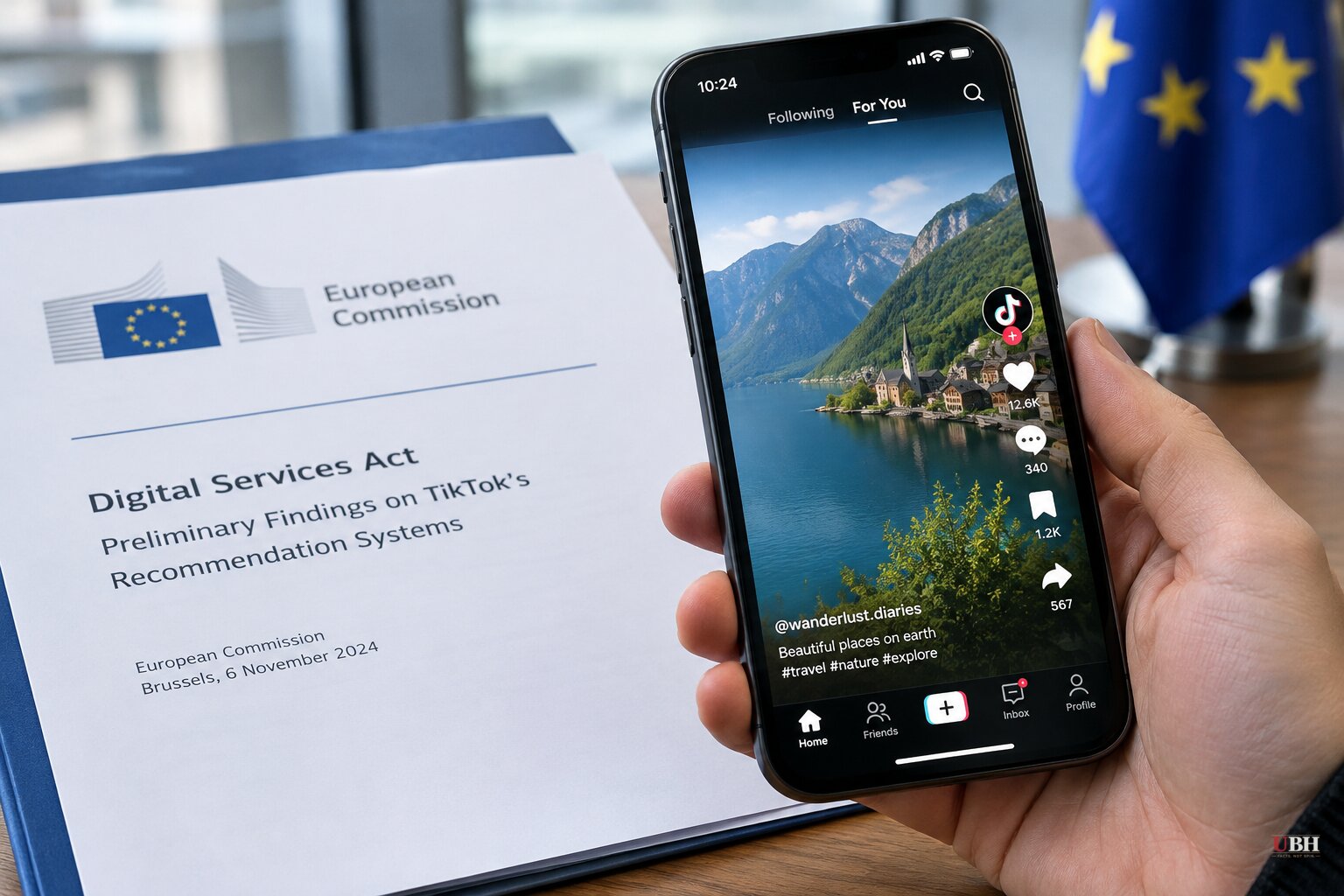
The European Commission issued preliminary findings against TikTok today, Friday, Nov. 6, saying the platform's For You feed breaks the EU's Digital Services Act. The charge is that the recommendation system drags users into a constant stream of similar videos, and that TikTok has not done enough to stop it.
The findings are not a final ruling. If violations are confirmed, ByteDance, TikTok's Chinese parent, could face a fine of up to 6% of its global annual revenue. Neither company publishes that figure.
What the Commission says TikTok got wrong
The Commission says TikTok failed to put in place "proportionate, reasonable and effective" measures to address the risks. Its argument is that the more a user interacts with a type of video, the more similar content the feed serves up.
"Every time a user scrolls or likes a video on TikTok, the algorithm serves more of the same leading users down rabbit holes they cannot easily escape from," said EU tech chief Henna Virkkunen. She added that the findings show "TikTok needs to step up its efforts to protect users' well-being, including those of minors."
The Commission says endless, repeated exposure to content about sadness, isolation or body image can damage mental health. It also says TikTok flagged some of these issues in its own risk assessments but did not properly analyse them or set appropriate safeguards.
TikTok has made changes, but the Commission judged them ineffective. It found that refreshing the feed helps only briefly. It also found that the "not interested" button stops working after a while.
Legal content, not banned content
The case is not about taking videos down. A Commission official told journalists that investigators deliberately focused on content that is neither illegal nor against TikTok's own rules, which the official described as the "least harmful" category.
Officials pointed to trends like "what I eat in a day" and "SkinnyTok." Their argument is that such videos look harmless one at a time but become damaging through repetition, especially for young and vulnerable users.
A Commission official said the investigation is "addressing a business model" built primarily on user engagement. European officials said it is the first time EU regulators have directly challenged the engagement-based recommendation system of a major social media platform. To their knowledge, they said, it is the first action of its kind anywhere in the world.
What Brussels wants changed
The Commission wants TikTok to redesign the For You feed. It should rely more on users' explicit preferences. It should make user controls easier to find and use, and it should test its algorithm regularly.
This is a regulator specifying how a private company builds its core product. That is a heavy hand, and the company has the right to contest it.
TikTok has fought this line of enforcement before. When the Commission charged it in February over addictive design, inadequate child protection and limits on researchers' access to public data, TikTok called those findings "categorically false" and said it would challenge them. The company's response to today's findings has not been published.
The U.S. backdrop
The European action comes as scrutiny of TikTok's effect on young people grows in the United States. In August, U.S. senators demanded answers from the company over the death of Chase Nasca, a 16-year-old who took his own life in February 2022 after viewing a stream of content about sadness and suicide.
Bloomberg reported last year on an internal TikTok review. According to that reporting, Nasca was in a control group of about 10% of the user base for which the company withheld design changes meant to prevent repeated exposure to harmful subjects. That account is Bloomberg's, and the Commission's case does not rest on it.
The Commission is also separately investigating rabbit hole effects in the recommendation systems of Meta's Facebook and Instagram. Governments worldwide are weighing algorithm changes or outright bans on social media for minors.
Next steps
TikTok now gets to review the Commission's evidence and respond. The Commission has said it can fine the company up to 6% of global turnover if the violations stand. A fine could come next year unless TikTok resolves the issue. The February findings on addictive design and child protection remain open, and so does the Meta probe.
Sources used for this briefing
7 links from 7 independent newsrooms (syndicated copies of the same report count once)
These are the sources it draws on, linked so you can verify.


