
Unbiased headlines. Facts, not spin.
Every story is an unbiased news briefing written from 110+ sources across the spectrum — sources linked so you can verify it yourself.
 tech
Major Story (8/10)
July 23, 2026 at 02:01 PM
tech
Major Story (8/10)
July 23, 2026 at 02:01 PM
EU Fines Google $1 Billion for Search and Play Store Antitrust Violations
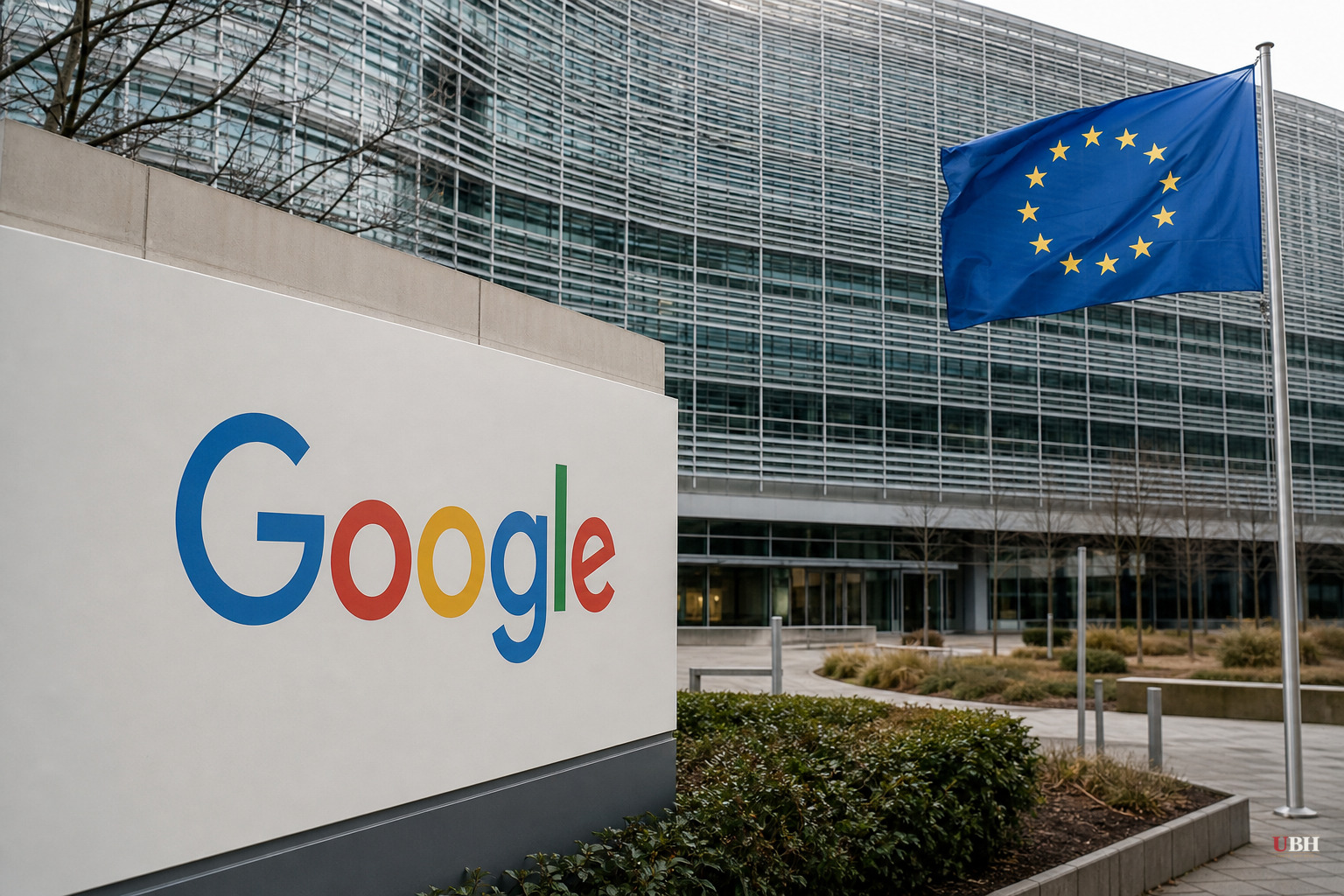
The European Commission fined Alphabet €890 million, about $1 billion, on Wednesday for two separate violations of the EU's Digital Markets Act. It's the company's first penalty under that law.
The first violation, worth €460 million, involves Google Search. The Commission found Google displayed its own Shopping, Hotels, and Flights services more prominently than competitors, in violation of DMA rules requiring gatekeepers to treat third-party services fairly.
The second violation, worth €430 million, covers the Play Store. Regulators say Google blocked app developers from telling users about cheaper payment options outside Google's own system, including on other websites or third-party app stores. The DMA requires that developers be free to do exactly that.
"The best products should succeed because they're better, not because they're owned by the company running the search engine," said European Commission competition policy vice president Teresa Ribera, according to Engadget. "This is the promise of the DMA, protecting fairness, choice and innovation in digital markets for the benefit of all European citizens."
Google has 60 days to change its policies or face additional periodic penalties, which the Commission can escalate up to 5 percent of Alphabet's global turnover if the company doesn't comply, according to Engadget.
Google's Response
Kent Walker, Google and Alphabet's president of global affairs, pushed back hard. "This implementation of the DMA continues to break everyday products," Walker said in a statement reported by CNBC. "To comply, we are having to strip away real-time Search features Europeans love — like instant pricing and direct availability for hotels, flights, and restaurants — and dismantle safety protections on Google Play. This isn't fair competition; it's product degradation driven by a small group of self-serving complainants, with European businesses and consumers taking the hit."
Google told Reuters in May, according to The Verge, that its earlier compliance attempts represented "the biggest downgrade in the product's history, creating a second-rate experience for Europeans to the benefit of a few self-interested complainants." The company said it's reviewing the decision and evaluating an appeal.
Google isn't just talking. It has already made changes, including removing the Google Flights widget from EU search results and testing an updated layout that boosts links to third-party comparison sites, according to The Verge. The Commission itself called these moves "substantial progress towards compliance," per CNBC, even while levying the fine for the period before those changes took hold.
Context: This Isn't Google's First Rodeo With Brussels
The EU has a long history with Google on antitrust. Back in 2017, the Commission hit Google with a €2.42 billion fine for rigging its shopping comparison service against rivals. Earlier this month, Google lost its final appeal over a separate €4.34 billion (roughly $4.7 billion) EU fine from 2018 tied to its Android operating system, according to Engadget.
The U.S. government has gone after Google too. A federal judge ruled in 2024 that "Google is a monopolist, and it has acted as one to maintain its monopoly," following a Justice Department lawsuit filed in 2020, according to Engadget. Google was later ordered to share search data with competitors as a remedy. So this isn't a case of Europe uniquely targeting an American company that everyone else leaves alone. U.S. courts reached similar conclusions independently.
The Money, In Perspective
Alphabet posted $112.1 billion in quarterly revenue in its most recent earnings report, according to Engadget. A $1 billion fine is under 1 percent of that. It's real money, but it's not going to change Alphabet's behavior through pain alone. It changes behavior only if Google actually alters its products to comply, which is why the 60-day deadline and escalating penalty structure matter more than the fine itself.
CNBC noted that Alphabet shares were down roughly 4% in premarket trading, but attributed that primarily to investor concerns about rising AI spending disclosed in Wednesday's earnings report, not the fine itself. That's a useful distinction CNBC gets right that a less careful outlet might have blurred together.
The Trade Angle
Engadget's coverage raises a wrinkle worth watching: the fine lands amid rising trade tension between Washington and Brussels, with the Trump administration reportedly weighing new tariffs on European goods and lawmakers urging "decisive actions" against EU tech regulation. European officials said the timing wasn't connected to the tariff dispute. Whether that holds up as a coincidence or becomes a flashpoint in broader U.S.-EU trade negotiations is an open question with no resolution yet.
Google's underlying argument, that opening up Android and the Play Store creates real security risks for users, is a legitimate operational concern rather than corporate spin. Security researchers have long noted that sideloading apps and alternative app stores can expose users to malware that Google's walled-garden model screens out.
Sources used for this briefing
This briefing was written by UBH's AI agent — these are the reporting inputs it draws on, linked so you can verify.


