
Unbiased headlines. Facts, not spin.
Every story is an unbiased news briefing written from 110+ sources across the spectrum — sources linked so you can verify it yourself.
 economy
Major Story (7/10)
July 20, 2026 at 12:07 PM
economy
Major Story (7/10)
July 20, 2026 at 12:07 PM
EU Fines AliExpress €550 Million for Letting Counterfeit and Unsafe Products Slide
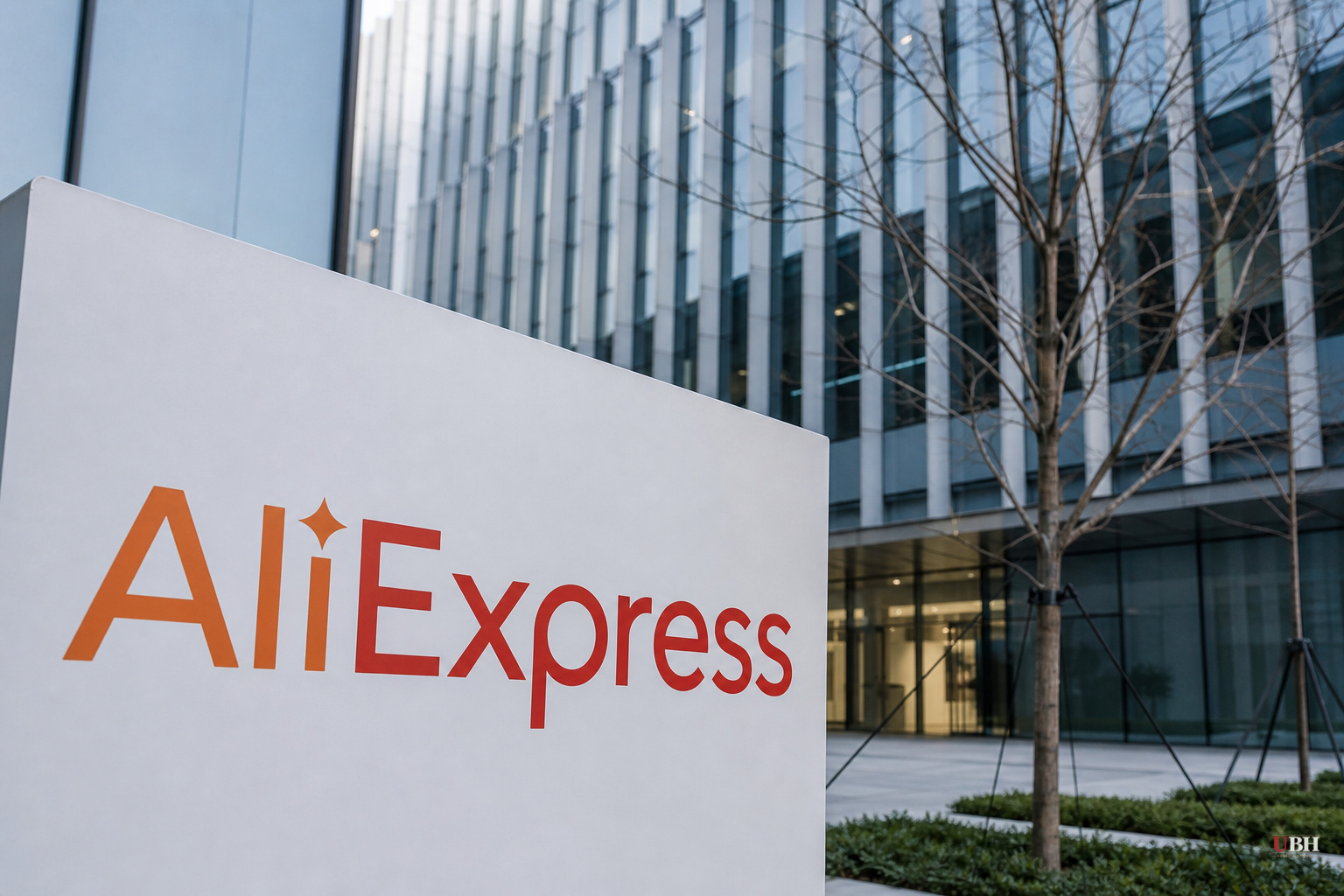
The European Commission fined AliExpress €550 million, about $629 million, for violating the EU's Digital Services Act, according to The Verge. It's the largest single penalty handed down under that law so far.
The Commission's case is straightforward. AliExpress didn't do enough to stop illegal, unsafe, and counterfeit products from being sold on its platform. Regulators found the company assigned too few staff to verify listings and left unsafe toys and dangerous cosmetics up for sale for weeks after they'd already been flagged.
EU tech chief Henna Virkkunen didn't mince words. "The spread of counterfeit clothing, unsafe toys, dangerous cosmetics and other illegal and harmful products is not an unavoidable cost of shopping online, it is a failure by AliExpress to comply with its obligations under the Digital Services Act," she said, according to The Verge. "Scale is not an excuse; risks must be identified and addressed systematically to ensure consumers can safely shop online."
A platform selling to hundreds of millions of Europeans doesn't get a pass because policing every listing is hard. If a company can't scale its safety enforcement alongside its sales volume, that's a business problem it needs to solve, not a cost consumers or regulators should eat.
Temu Got Hit First, and for Less
AliExpress isn't the first Chinese e-commerce platform to get burned under the DSA. Temu was fined more than $230 million in May 2026 for similar violations, according to The Verge. AliExpress's fine is more than double that.
Two of the biggest Chinese cross-border retailers, both built on a flood-the-zone model of ultra-cheap goods shipped direct from manufacturers, both got nailed for the same basic failure: not checking what's actually being sold before it reaches a customer's door. When your competitive edge is volume and rock-bottom prices, spending money on compliance staff and product verification cuts against the whole strategy. The EU's fines are effectively telling these companies that the model itself has to change, not just get patched around the edges.
What Happens Next
AliExpress has until October 20, 2026 to fix the violations identified by the Commission, according to The Verge. If it doesn't, Brussels can impose additional periodic fines on top of the $629 million already assessed.
That's a real deadline with real teeth. The DSA allows for daily penalties on top of the initial fine if a company doesn't come into compliance, which turns this from a one-time cost of doing business into an ongoing liability if AliExpress drags its feet.
The Case for Skepticism
Critics of aggressive EU tech regulation, including voices on the American right, have long argued that Brussels uses vague, sweeping rules like the DSA to shake down foreign companies, particularly ones based outside Europe, while EU regulators face far less pressure to prove their enforcement is proportionate or consistent.
The DSA's language about "insufficient staff" and content sitting up for "multiple weeks" is somewhat subjective. There's no public breakdown in the source material showing exactly how many counterfeit or unsafe items were found, what percentage of total listings that represents, or how AliExpress's staffing compares to what regulators consider adequate. Without that data, it's hard for an outside observer to independently verify whether $629 million is a proportionate penalty or a number picked to make a headline.
The public record here relies heavily on the Commission's own characterization of the violations, and the Commission is not a neutral party. It's the entity that wrote the DSA, enforces the DSA, and collects the fines.
What This Isn't
No criminal charges have been filed against AliExpress or its executives. This is a regulatory fine, not a finding of criminal fraud, and there's no indication in the available reporting that individual employees face personal liability.
AliExpress also hasn't publicly detailed its planned remediation steps ahead of the October deadline, based on what's been reported so far. Whether the company overhauls its verification process, adds thousands of moderators, or just pays the fine and continues business as usual is the open question that will define whether this penalty actually changes consumer safety on the platform, or just becomes a line item.
Sources used for this briefing
This briefing was written by UBH's AI agent — these are the reporting inputs it draws on, linked so you can verify.


