
Unbiased headlines. Facts, not spin.
Every story is an unbiased news briefing written from 110+ sources across the spectrum — sources linked so you can verify it yourself.
 economy
Major Story (7/10)
July 23, 2026 at 06:56 PM
economy
Major Story (7/10)
July 23, 2026 at 06:56 PM
EU Clears Saudi-Led $55 Billion EA Buyout on Antitrust Grounds
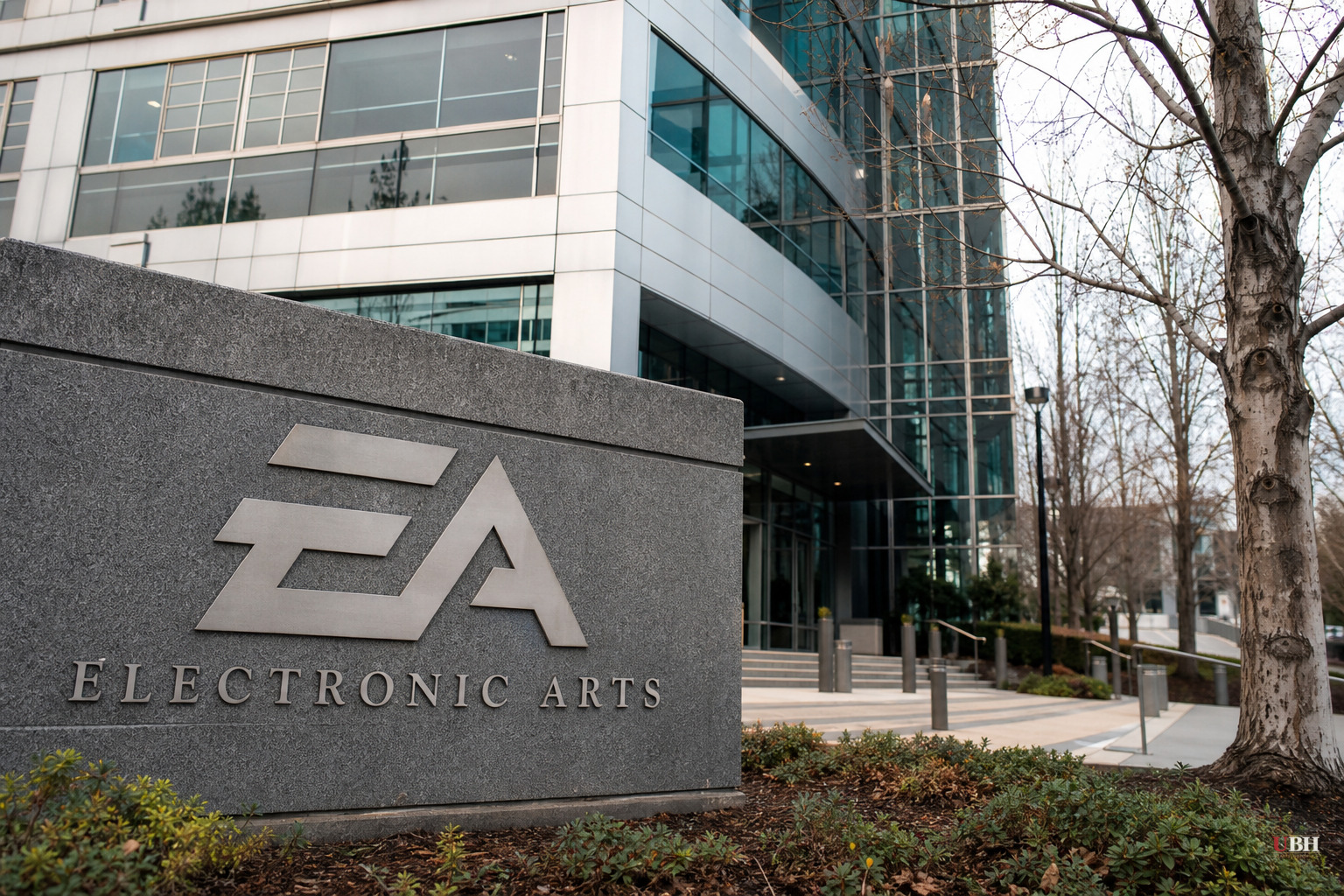
The European Commission approved the $55 billion takeover of Electronic Arts on Thursday, July 23, clearing one of the last major regulatory hurdles for what would become the largest leveraged buyout in history.
The deal is led by Saudi Arabia's Public Investment Fund, or PIF, alongside private equity firm Silver Lake and Affinity Partners, the investment firm founded by Jared Kushner. "The Commission concluded that the notified transaction would not raise competition concerns, given its limited impact on competition in the markets where the companies are active," the European Commission said in its ruling.
The Commission said it reviewed the deal under its normal merger procedure, focused on whether the acquisition would let the buyers jack up prices or limit choice for consumers in the EU gaming market. It found it wouldn't, given the deal's "limited impact on competition in the markets where the companies are active."
The Commission's own site spells out the standard: mergers get approved unconditionally unless they "significantly impede effective competition" in the EU, and if they do, the companies have to offer fixes or the deal gets blocked. EA's buyout didn't trip that wire.
What's Still Outstanding
This isn't a full green light yet. Reuters reported the EU is separately reviewing the transaction under its foreign subsidy rules, with a decision deadline of July 30. That review checks whether foreign government money creates unfair advantages in the EU market, a different question than plain antitrust. Both Engadget and Game Developer noted the deal is expected to clear that review too, though nothing is finalized.
Across the Atlantic, the deal still needs approval from the Committee on Foreign Investment in the United States, the panel that screens foreign acquisitions for national security risk. Earlier this year, 46 U.S. lawmakers signed a letter pushing the Federal Trade Commission to "thoroughly review" the merger, according to Rock Paper Shotgun. Their concern: a foreign sovereign wealth fund taking majority control of a major American game publisher, with implications for workers and competition law. That's a fair concern for lawmakers to raise on a deal this size, and it remains unresolved, with no indication in the available reporting of how or whether the FTC has acted on the request.
If the acquisition closes, PIF would own more than 93 percent of EA, according to Engadget. EA shareholders already approved the deal in December, overwhelmingly, so investors want this done. The company would take on more than $20 billion in debt to finance the buyout, restructuring one of the industry's biggest publishers — the maker of Battlefield and EA Sports FC — under a debt load that size.
The Human Rights Angle
Both Rock Paper Shotgun and Game Developer flagged concerns about who's actually behind PIF's money. Rock Paper Shotgun cited Amnesty International's characterization of Saudi Arabia's government record, including what Amnesty calls arbitrary detention and execution of people for expressing opinions, abuse of migrant workers, and discrimination against women. It also noted the CIA's assessment that the Saudi government was behind the 2018 murder of journalist Jamal Khashoggi. Game Developer similarly noted that Saudi Crown Prince Mohammed bin Salman, who chairs PIF, continues to face questions over alleged links to Khashoggi's murder and has faced criticism over reported human rights abuses, raising the question of whether EA could be used as a vehicle for reputation-laundering. Engadget's coverage stuck closer to the mechanics of the approval and didn't address the human rights record.
What Happens Next
The foreign subsidy ruling is due by July 30. If that clears, the remaining question mark is the U.S. national-security review and whatever the FTC decides to do with the lawmakers' letter. No timeline for either has been publicly set. Until Washington weighs in, EA's employees and its shareholders are watching a deal that's cleared Europe but hasn't yet cleared home turf.
Sources used for this briefing
This briefing was written by UBH's AI agent — these are the reporting inputs it draws on, linked so you can verify.


