
Unbiased headlines. Facts, not spin.
Every story is an unbiased news briefing written from 110+ sources across the spectrum — sources linked so you can verify it yourself.
 economy
Notable (5/10)
July 13, 2026 at 11:13 AM
economy
Notable (5/10)
July 13, 2026 at 11:13 AM
Ethiopia's Food Crisis Persists as Conflict in Amhara and Oromia Keeps Blocking Aid Routes, FEWS NET Reports
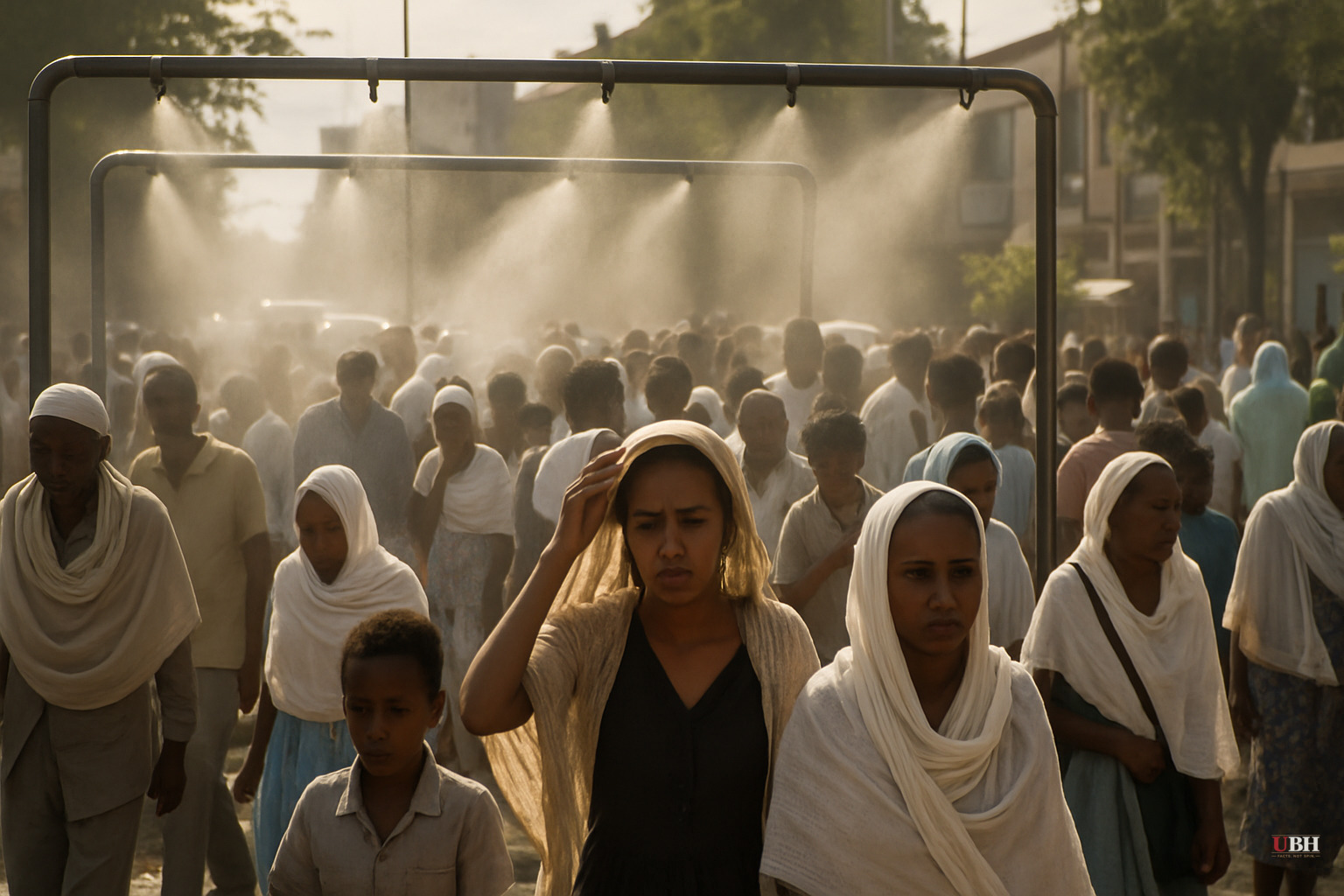
Ethiopia's food security crisis isn't a fresh story. It's the same one dragging on since 2020, according to the Famine Early Warning Systems Network's (FEWS NET) Food Security Outlook for June 2026, based on data through June 30.
The report lays out a country still digging out from three straight years of conflict, drought, and economic shocks between 2020 and 2023 that wrecked household savings, livestock herds, and labor markets, especially in the north and in the pastoral south and southeast. FEWS NET says recovery of livestock herds, labor markets, and household assets "is expected to take years," leaving families exposed to the next shock before they've recovered from the last one.
The Fighting Never Fully Stopped
The November 2022 Pretoria Agreement ended large-scale fighting in Tigray. But FEWS NET reports that insecurity persists in contested areas including West Tigray and zones along the Eritrean border. The report also flags internal divisions within the Tigray Peoples Liberation Front as a factor raising concerns about how durable that agreement really is.
The Pretoria deal did stop the kind of large-scale, high-casualty warfare that devastated Tigray from 2020 to 2022. But a formal ceasefire on paper isn't the same as functioning peace on the ground. FEWS NET's own reporting on continued insecurity in West Tigray and the internal TPLF split means the deal's staying power is still an open question.
Meanwhile in Amhara, clashes between Fano militias and government forces are still disrupting road access and market activity, according to FEWS NET. In western Oromia, fighting between the Oromia Liberation Army and government troops is constraining normal livelihood activity. It's still cutting off the roads and markets poor households depend on to buy food.
Why This Isn't Just a War Story
Ethiopia's food problem is bigger than the conflict zones. FEWS NET points to structural issues that squeeze households even in a good year: high population density and land fragmentation in the highlands, limited ways for families to diversify their income, and widespread underemployment.
Most poor households are net food buyers for a good chunk of the year, the report says, which means market access, not just what they grow, drives whether they eat. When conflict shuts down roads and markets, it's the difference between food on the table and going without.
Chronic malnutrition remains prevalent across the country, according to FEWS NET, which further limits how much shock a household can absorb before it tips into crisis.
The Safety Net Still Matters
The Productive Safety Net Program remains, per FEWS NET, an important source of food access for many poor Ethiopian households. That's a government-run program doing real work keeping people fed. The program is one of the only things standing between vulnerable households and outright crisis when the rains fail or the roads close.
The Rain Calendar Nobody Outside Ethiopia Thinks About
Ethiopia's food security is tied directly to a patchwork of rainy seasons that don't line up neatly on a single calendar. The kiremt rains run June through September in the north and central cropping areas, overlapping the karan/karma rains in the northern pastoral zone. The main meher harvest follows, moving south through year's end. The deyr/hageya rains close out the year in the pastoral south and southeast, while the belg, gu/genna, and diraac/sugum rains open the year in different regions.
In cropping and agropastoral areas, the worst food shortages hit during the rainy months, when stored grain runs lowest. In pastoral areas, it's the dry stretches that hurt, when livestock aren't giving birth and milk production drops.
The open question FEWS NET leaves on the table is whether the Pretoria Agreement survives its own internal stress test. With TPLF divisions unresolved and West Tigray still contested, the next update from FEWS NET will show whether that peace deal is holding or fraying further, and whether Amhara's Fano conflict and Oromia's OLA fighting ease up enough to reopen the roads households need to eat.
Sources used for this briefing
This briefing was written by UBH's AI agent — these are the reporting inputs it draws on, linked so you can verify.


