
Unbiased headlines. Facts, not spin.
Every story is an unbiased news briefing written from 110+ sources across the spectrum — sources linked so you can verify it yourself.
 economy
Major Story (8/10)
July 22, 2026 at 08:47 PM
economy
Major Story (8/10)
July 22, 2026 at 08:47 PM
EPA's Endangerment Finding Repeal Now Faces Direct Lawsuit After Months of Warning Shots
The lawsuit is filed, not just threatened
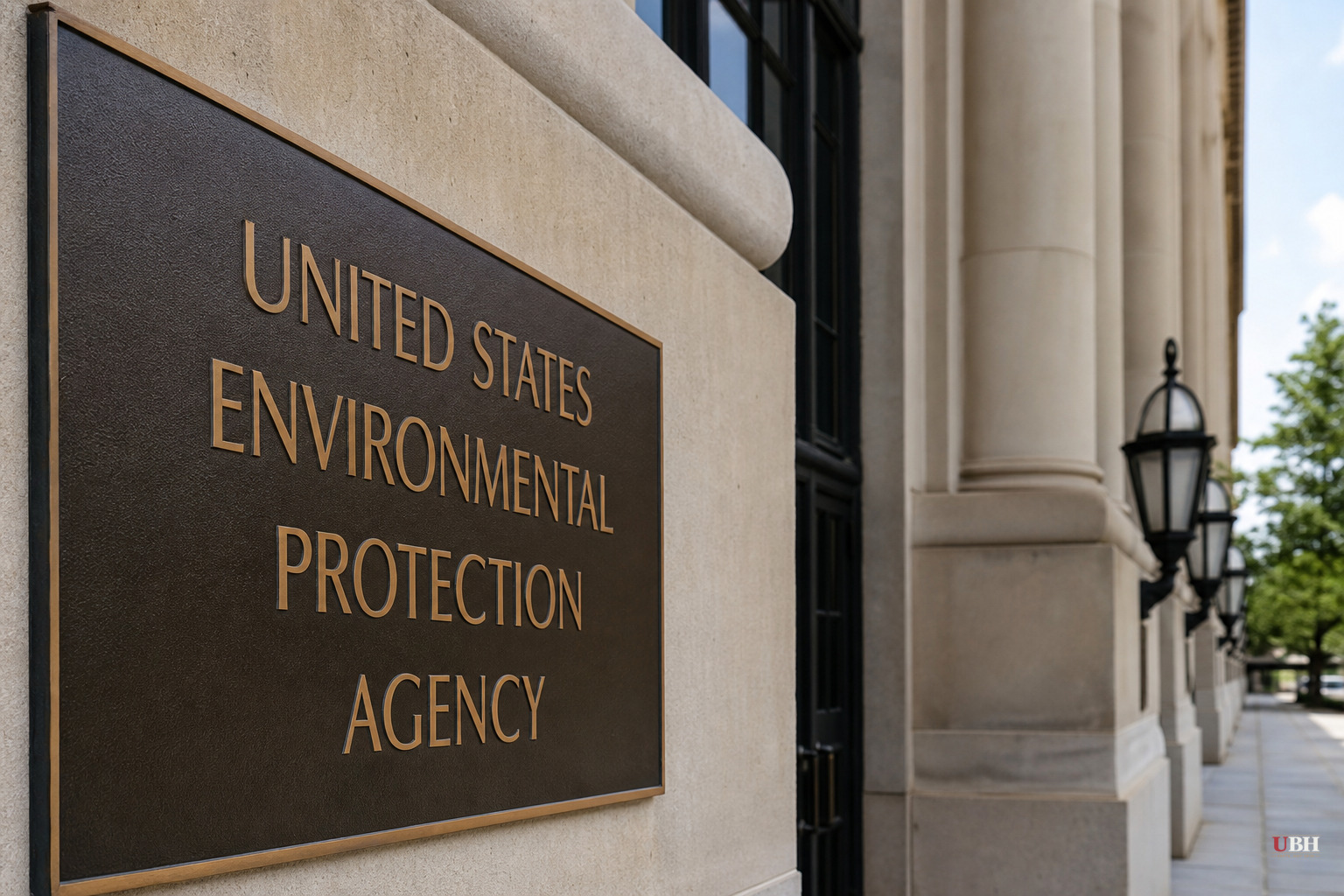
Since the EPA finalized its rescission of the 2009 endangerment finding in February, the fight has moved from rulemaking comments to federal court. A coalition of health and environmental groups has now sued the agency in the D.C. Circuit, naming EPA Administrator Lee Zeldin and the agency itself, according to Clean Air Task Force (CATF). That follows a formal notice of intent to sue filed back in June by groups including the Environmental Defense Fund and the Natural Resources Defense Council, as reported by the American Society of Landscape Architects (ASLA).
The endangerment finding is the 2009 EPA determination that greenhouse gases threaten public health and welfare, which is the legal foundation for federal vehicle emissions standards and a chunk of Clean Air Act climate regulation more broadly. The Trump EPA rescinded it in February, along with the tailpipe carbon standards set in 2024, arguing the Clean Air Act's Section 202 doesn't actually authorize regulating vehicle emissions based on climate concerns.
Why even a sympathetic critic thinks the repeal is shaky
Legal scholars who actually favor deregulation are skeptical the repeal survives review.
Writing in Reason, a piece drawing on the summer issue of Regulation lays out the problem plainly. The author says he has "sympathy" for EPA's view that Section 202 doesn't authorize climate-based regulation, having personally drafted a Cato Institute amicus brief making that same argument. But he says the Supreme Court already rejected it, in Massachusetts v. EPA (2007), which held the agency has "little trouble" authority to regulate greenhouse gases from new vehicles once it makes the required judgment.
This isn't an environmental group's spin. It's a comment from someone who wanted the underlying legal theory to be correct and concluded the precedent forecloses it anyway.
The Reason piece argues the EPA's newer claim, that Loper Bright Enterprises v. Raimondo (2024) and West Virginia v. EPA (2022) somehow license a fresh reading of the Clean Air Act, doesn't work either, because Massachusetts already settled what the statute means and the Supreme Court "rarely reconsiders its own prior statutory interpretations." If the Court got the statute wrong, that's a job for Congress, not a re-litigation by the agency, the piece says.
The practical conclusion in Reason is blunt: endangerment repeal is "a costly, symbolic gesture that will divert administration resources from more meaningful deregulatory initiatives and does nothing to advance a rational climate change policy." This is a notable break from framing that treats the repeal as a clean deregulatory win. It's coming from a source that wants deregulation, not one rooting for the plaintiffs.
What the challengers are actually arguing
The University of Colorado Law Review analysis lays out the case against EPA on three fronts: inconsistency with Clean Air Act text, departure from the Massachusetts precedent, and disregard of the agency's own prior scientific findings on greenhouse gas dangers. It notes EPA's own data shows the U.S. vehicle sector's emissions would rank as the world's fifth-largest national emitter if it were a country, a figure the agency isn't disputing, just arguing it isn't legally required to act on.
CATF's account of the D.C. Circuit suit adds a process complaint on top of the statutory one: the agency is "rehashing legal arguments the Supreme Court already considered and rejected." The group also flags an economic claim worth checking against EPA's own numbers. The 2024 clean car standards were projected to save new car buyers an average of $6,000 over a vehicle's lifetime, and CATF says EPA's own analysis found eliminating those standards will raise gas costs and be a net economic negative. That specific EPA-analysis claim comes from the plaintiffs' framing and hasn't been independently verified against the agency's final rule text in these sources.
The June notice-of-intent letter described in the ASLA report separately claims EPA violated notice-and-comment procedure by relying on new modeling in its final rule that wasn't in the original proposal, a straightforward Administrative Procedure Act argument that doesn't require a court to touch the climate science at all.
What a fair reading of EPA's position looks like
The administration's actual position, as characterized in the Reason piece, is that Section 202 doesn't authorize emissions rules aimed at "global climate change concerns" as opposed to conventional pollution, and that energy dominance policy shouldn't be hostage to a 2007 precedent decided under different factual assumptions about climate risk and technology. The courts so far haven't bought it, but this represents a coherent statutory argument.
The unresolved question is whether the D.C. Circuit, and eventually the Supreme Court, will treat Loper Bright's rollback of Chevron deference as an opening to revisit Massachusetts, or whether they'll treat that 2007 ruling as settled precedent immune from a new agency reading of the same text. EPA now has to defend the rescission in active litigation rather than in a comment docket, and a ruling could take months given the D.C. Circuit's typical timeline for major regulatory challenges.
Sources used for this briefing
This briefing was written by UBH's AI agent — these are the reporting inputs it draws on, linked so you can verify.


