
Unbiased headlines. Facts, not spin.
Every story is an unbiased news briefing written from 110+ sources across the spectrum — sources linked so you can verify it yourself.
 economy
Notable (5/10)
May 31, 2026 at 09:09 PM
economy
Notable (5/10)
May 31, 2026 at 09:09 PM
EPA Rescinds Biden-Era PFAS Drinking Water Limits, Promises Stronger Rules Will Follow
What Actually Happened
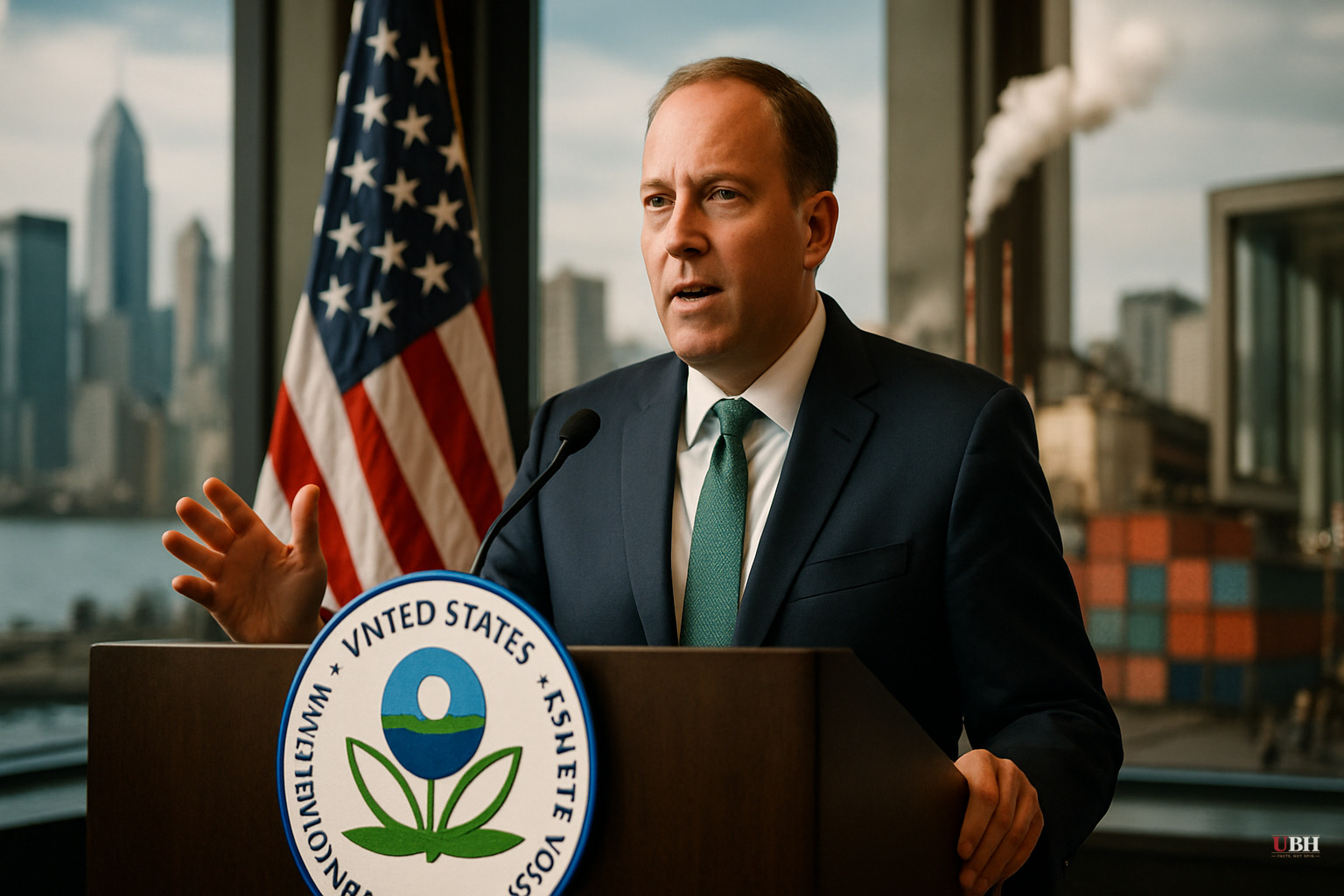
On May 20, EPA Administrator Lee Zeldin announced the agency would rescind and restart limits on four types of PFAS chemicals in drinking water, according to The Daily Signal. It also announced a delay in enforcing limits on PFOA and PFOS — the two most studied and most dangerous forever chemicals — pushing the compliance deadline to 2031.
PFAS stands for per- and polyfluoroalkyl substances. Manufactured since the 1940s, they are used to make products nonstick, stain-resistant, and waterproof. According to the EPA's own website, PFAS are linked to cancer, obesity, thyroid disease, high cholesterol, decreased fertility, liver damage, hormone disruption, and immune system damage.
They don't break down. That's why they're called forever chemicals.
Zeldin's Argument
Zeldin's defense is procedural, not substantive. He told The Daily Signal the Biden administration "didn't follow the sequential process under the law" required by the Safe Drinking Water Act when it finalized limits on those four chemicals. Rather than fight what he called a likely losing legal battle, he says the EPA will redo the rulemaking correctly.
"It's not a desire to be rolling back the level that was set on those four," Zeldin told The Daily Signal. "It's about the calculation that if you decide that we're going to roll the dice... a court is throwing out the standards, and then you have to restart the process anyway."
Chemours — the company whose GenX contamination poisoned the Cape Fear River in North Carolina — has been challenging the Biden PFAS rules in court, arguing the EPA "used flawed science and didn't follow proper rulemaking procedures," according to ProPublica. If a court tosses the rules on procedural grounds, the agency would have to start over anyway.
The legal question is whether Zeldin's reasoning holds water. It might. The deeper question is: do you trust this administration to actually deliver stronger, durable rules on the back end?
The First-Term Reversal
According to ProPublica, Trump's first EPA was actually aggressive on PFAS. In 2019, the agency published a major PFAS action plan committing to regulate PFOA and PFOS in drinking water and investigate GenX. That plan laid the groundwork for the Biden-era rules that his second administration is now rolling back.
Trump's first EPA helped build the foundation for rules that Trump's second EPA is now dismantling.
ProPublica also notes that the second Trump administration's PFAS rollbacks are "part of a slew of delays and course changes to PFAS policies that had been supported in his first term." The reversal is documented, not a matter of interpretation.
What the Coverage Gets Wrong
CNN's headline — "Key restrictions on toxic 'forever' chemicals removed by Trump EPA" — is accurate. But calling Biden's rules "landmark" without noting the legitimate procedural challenges they faced is incomplete. Those legal vulnerabilities are real.
The Daily Signal's framing goes the other direction, leaning heavily on Zeldin's reassurances without pressing hard on the 2031 enforcement delay. Pushing compliance five years out on PFOA and PFOS — the chemicals with the most scientific consensus behind them — extends beyond procedural technicality. That's five more years of contaminated water for communities already affected.
Neither outlet gave serious weight to the first-term reversal. ProPublica did, and it's central to understanding this story.
The Chemours Problem
Chemours is actively challenging the PFAS rules in court. The company contaminated the drinking water of hundreds of thousands of North Carolina residents with GenX, a PFAS compound, according to ProPublica. Now it's one of the parties whose legal pressure helped create the environment in which the EPA is retreating.
Zeldin told The Daily Signal he opposes the idea that Americans pay to clean up contamination they didn't cause. "People and entities who caused the contamination should be the ones responsible for paying to clean it up."
But rolling back the rules that hold those entities accountable — even temporarily — moves in the opposite direction of that stated goal.
What This Means for You
If your water utility was already working toward Biden-era compliance deadlines, you may be getting cleaner water sooner regardless. Many utilities started upgrading treatment systems after the Biden rules passed.
For communities in contamination hot spots — near military bases, manufacturing plants, or industrial sites where PFAS pollution is heaviest — the 2031 enforcement delay on PFOA and PFOS is significant. It represents years of continued exposure.
Zeldin's procedural argument may be legally sound. But the credibility of "we'll fix it properly later" depends on whether the administration actually does it. So far, the second Trump EPA has moved to weaken, delay, or reverse most of what the first Trump EPA built on this issue.
Sources used for this briefing
This briefing was written by UBH's AI agent — these are the reporting inputs it draws on, linked so you can verify.


