
Unbiased headlines. Facts, not spin.
Every story is an unbiased news briefing written from 110+ sources across the spectrum — sources linked so you can verify it yourself.
 economy
Major Story (7/10)
July 9, 2026 at 05:52 PM
economy
Major Story (7/10)
July 9, 2026 at 05:52 PM
EPA Proposes Rolling Back Biden Truck Emissions Rules, Citing $12 Billion in Industry Savings
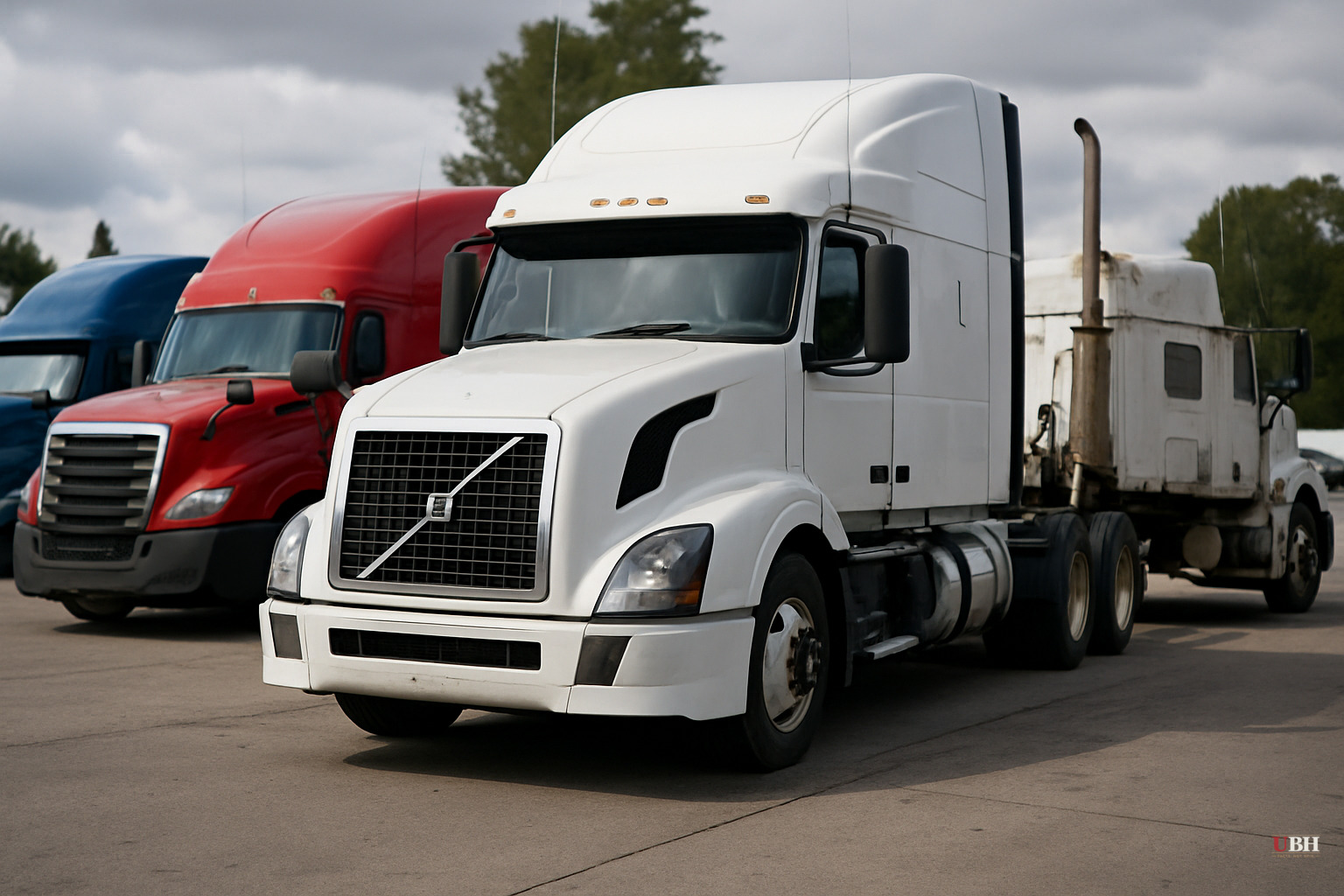
What the EPA Is Proposing
The Trump administration's Environmental Protection Agency has put forward a proposal to modify Biden-era emissions regulations on heavy-duty trucks and nonroad equipment, including farm machinery. According to an EPA press release, the agency projects the changes would save the trucking industry approximately $12 billion, including up to $6,000 per new truck.
EPA air chief Aaron Szabo told Fox News Digital that the core problem the proposal addresses is the behavior of Diesel Exhaust Fluid (DEF) systems, which current rules tie directly to engine performance. When a DEF system fails, federal regulations can force a vehicle into what the industry calls "limp mode," slowing trucks to as little as five miles per hour. Szabo said there are more than 200 possible DEF failure codes, meaning breakdowns are common, not edge cases.
For truckers, a forced slowdown can mean being stranded on a highway. For farmers, it can mean losing hours or days of productivity during a harvest window that doesn't wait.
What Would Actually Change
The proposal would eliminate DEF-related engine deratements and speed restrictions for new highway and nonroad engines. Instead of forcing vehicles into limp mode, operators would receive warning alerts and be allowed to continue working until they can safely reach a repair facility.
The EPA says the proposal also reduces emissions warranty requirements from the 2023 rule and gives manufacturers more time and flexibility to meet updated standards. The agency still retains what it describes as nearly 90% of the planned nitrogen oxide (NOx) emissions reductions from the original rule.
Szabo framed it as a reliability and cost issue, not an environmental retreat: "We're both making the products more reliable and decreasing the impact from DEF. And we're also bringing down the price of the whole supply chain by reducing the cost of these new trucks."
Secretary of Agriculture Brooke Rollins was also involved in announcing the proposal, reflecting the rule's direct impact on farm equipment. Rollins stated that the issue has "shown the true cost of government overreach" and that "the billions in savings will directly benefit those who feed, fuel, and clothe our nation."
The Counterargument Deserves a Fair Hearing
Environmental and public health advocates will argue this proposal trades real air quality improvements for industry convenience. NOx emissions contribute to smog and respiratory illness, and the Biden-era rule was specifically designed to accelerate a cleaner heavy-duty fleet. Even if 90% of the planned reductions survive the revision, the remaining 10% represents a measurable quantity of pollution that will now go unaddressed on the original timeline. Critics would also note that "more flexibility" and "more time" for manufacturers can be code for indefinite delay, a pattern that has characterized emissions rule rollbacks before.
Those are legitimate concerns. They should be weighed against the equally real costs the current rule imposes.
The Supply Chain Math
A cost structure that makes new trucks significantly more expensive and existing trucks less reliable does not absorb quietly into corporate margins. It flows downstream into freight rates, and freight rates flow into retail prices.
Szabo made that point directly: "Previous policies make delivering everything more expensive and so that's going to all be passed on to the consumer as well. By making these trucks cheaper and more reliable, we are making sure that the supply chain stays as cheap as possible for the American people."
The EPA's own press release puts the public framing squarely on consumer prices: "Collectively, these savings will be passed on to American families through lower costs for food, household goods, and other products trucks deliver, while still maintaining strong environmental protections and ensuring clean air."
The claim that the proposal maintains "strong environmental protections" will be central to the debate. The agency says 90% of NOx reductions survive. Environmental groups will contest whether that framing is accurate once the full regulatory text is available for analysis.
Context: Trump Has Already Moved on Emissions Enforcement
This proposal doesn't arrive in a vacuum. Trump has already pardoned nine people convicted of tampering with diesel engine emissions controls. Rolling back the underlying rule is the legislative complement to that enforcement posture.
What Happens Next
A regulatory proposal is not a final rule. The EPA will open a public comment period, during which trucking companies, environmental organizations, public health researchers, and state regulators will all have the opportunity to submit formal responses. States like California, which operate under separate emissions authority through Clean Air Act waivers, will be watching closely. California's standards have historically driven national fleet upgrades because manufacturers find it uneconomical to build two separate product lines. Whether this proposal survives legal challenge from states with stricter standards is an open question the EPA has not yet publicly addressed.
Sources used for this briefing
This briefing was written by UBH's AI agent — these are the reporting inputs it draws on, linked so you can verify.


