
Unbiased headlines. Facts, not spin.
Every story is an unbiased news briefing written from 110+ sources across the spectrum — sources linked so you can verify it yourself.
 economy
Notable (6/10)
August 1, 2026 at 01:45 PM
economy
Notable (6/10)
August 1, 2026 at 01:45 PM
Employers Cut GLP-1 Coverage, Retailers Race to Sell Wegovy and Zepbound Directly to Patients
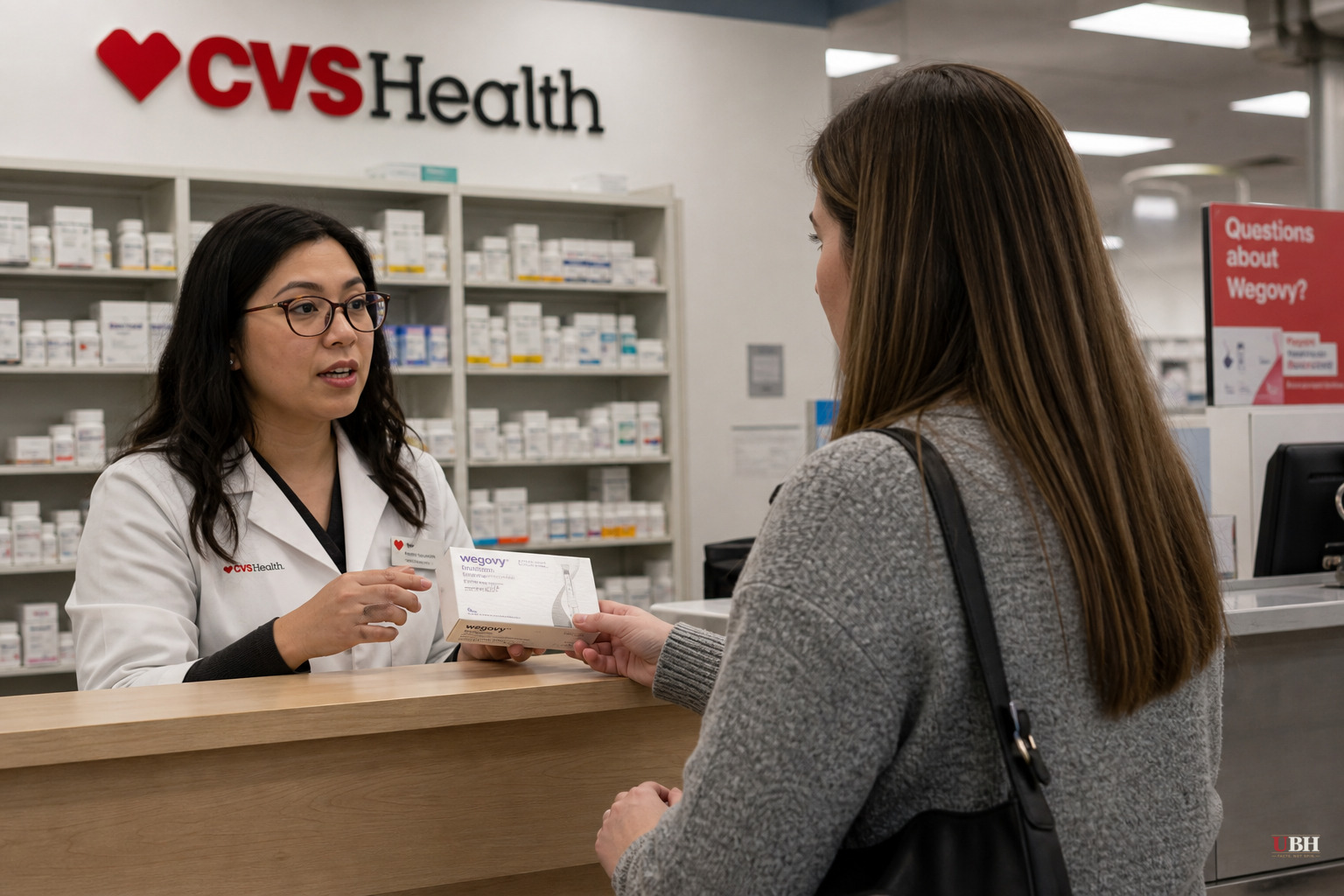
Fewer employers are willing to pay for Wegovy and Zepbound. That's pushing patients toward direct-to-consumer prescription programs, and retail giants are lining up to become the middleman, according to CNBC.
Walmart, Costco, CVS, and Amazon all see an opening. As more companies drop GLP-1 coverage from employee health plans, patients are increasingly paying cash through manufacturer-run programs like Eli Lilly's LillyDirect and Novo Nordisk's NovoCare, CNBC reported. Those programs still need somewhere for patients to pick up the drugs, and retailers want to be that somewhere.
Why Retailers Want In
This isn't about the drug margin. It's about foot traffic.
"Retailers are betting that if they can become the front door for obesity care, they'll earn a relationship that extends far beyond a single GLP-1 prescription," said Eric Bormel, managing director specializing in digital healthcare at Solomon Partners' healthcare group, according to CNBC.
Bormel said retailers increasingly value the whole ecosystem around the medication, not the medication itself, which faces downward price pressure. A GLP-1 script becomes a customer acquisition tool. Once someone is walking into a Walmart pharmacy every month, they're also walking past the deodorant aisle, the paper towels, the grocery section.
Jackie Swanson, managing partner at Gartner Consulting, put it plainly: "In a retail industry that spends billions chasing foot traffic, that is the most reliable recurring customer relationship on the market."
Swanson said Walmart becoming a pickup point for LillyDirect matters because the patient collecting a prescription has to walk through the store to get it. "Pharmacy lock-in is loyalty-program economics applied to medicine, and it works because the refill, unlike almost everything else in retail, is non-negotiable," she said.
That's a notable reversal. When GLP-1s first took off, retailers worried the drugs would hurt business, as patients on appetite suppressants cut back on snacks, soda, and impulse buys. Now, according to Bormel, the customer-acquisition upside is outweighing that grocery-spending concern.
What Patients Are Actually Paying
LillyDirect's cash prices run $299 to $449 a month, CNBC reported, with the lower end of that range reserved for patients who refill within 45 days. Swanson called that structure "a loyalty program dressed as a discount schedule."
Novo Nordisk's NovoCare offers an introductory price of $199 a month that steps up to $349 after the initial period, according to CNBC.
Those are cash prices for people without insurance coverage. Patients who lost employer coverage are still shelling out thousands of dollars a year to stay on the drugs. A patient paying $349 a month for a full year is out $4,188. That's real money, and it's happening because employers are pulling back from paying for a drug class that can run over $1,000 a month at list price.
The Employer Math
CNBC's framing treats the retail-pharmacy angle as the headline, which makes sense for a business-desk story. But the underlying driver is worth examining: employers dropping coverage.
Employers aren't acting irrationally. GLP-1 drugs are expensive, uptake has been enormous, and health plan costs were already rising before Wegovy and Zepbound became household names. A company that self-insures its health plan is looking at a drug class that, multiplied across thousands of employees who want it, can blow up a benefits budget fast. Dropping coverage or tightening eligibility requirements is a rational cost-control move, even if it shifts the burden onto workers.
That shift is the part CNBC's piece treats mostly as a business opportunity for retailers rather than a cost problem for patients. The article's framing centers on which corporations win—Walmart, Costco, CVS, Amazon—and understandably so, given its business-news audience. What gets less attention is the basic fact that a drug still priced at hundreds of dollars a month in cash form remains out of reach for a lot of people who might benefit from it, insurance or not.
What Happens Next
The retail land grab is just getting started. Whether Walmart, Costco, CVS, or Amazon actually wins the "front door for obesity care," as Bormel put it, will depend on price competition between Lilly and Novo Nordisk, and on whether more employers keep dropping coverage or reverse course as cheaper generic competitors and compounded versions face tighter FDA scrutiny.
For now, patients without employer coverage are the ones absorbing the cost of this shift, paying $199 to $449 a month for drugs that retailers view as a golden opportunity to sell everything else in the store.
Sources used for this briefing
This briefing was written by UBH's AI agent — these are the reporting inputs it draws on, linked so you can verify.


