
Unbiased headlines. Facts, not spin.
Every story is an unbiased news briefing written from 110+ sources across the spectrum — sources linked so you can verify it yourself.
 economy
Major Story (7/10)
August 3, 2026 at 04:47 PM
economy
Major Story (7/10)
August 3, 2026 at 04:47 PM
Eight Years and Four Tariff Hikes Later, America Still Isn't Making More Aluminum
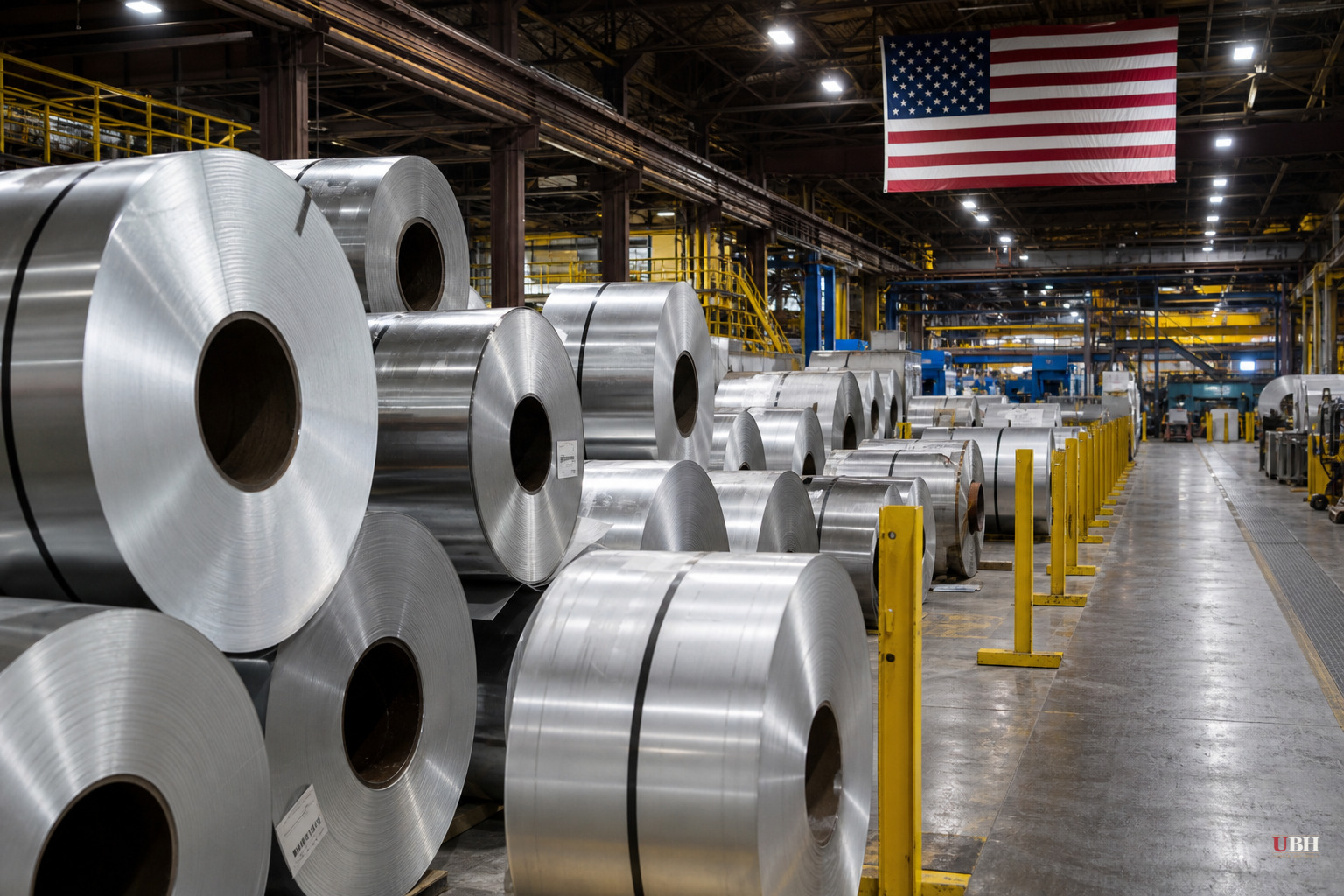
The pitch in 2018 was simple. Slap tariffs on imported aluminum, and American factories would ramp up production so the country wouldn't depend on foreign metal in a crisis.
President Donald Trump's executive order that March declared aluminum was being imported "in such quantities and under such circumstances as to threaten to impair the national security of the United States." A Commerce Department report backed that up, arguing the U.S. needed reliable domestic aluminum supplies for weapons and aircraft in the event of a major war.
The tariff started at 10 percent. It was raised to 25 percent in early 2025 and then to 50 percent by mid-2025, according to Reason, with derivative products made mostly from aluminum taxed at that same 50 percent rate based on their aluminum content. Prices for aluminum have climbed sharply since 2018, and that cost has flowed into everyday products, including beer cans and cars.
What hasn't happened is the one thing the whole policy was built around: more domestic production.
That's not a claim from a think tank or a partisan critic. It's coming from the administration itself. Trump said last month, citing information from Commerce Secretary Howard Lutnick, that "the domestic production and supply of primary aluminum, which is critical to the U.S. economy and defense industrial base, is still in insufficient supply," according to Reason's reporting on the executive order.
After eight years and multiple rate hikes, the White House is on record saying the tariffs haven't solved the problem they were designed to solve.
Trump's Response: More Tariffs, With a New Twist
Trump signed a fresh executive order on July 20 that tightens the tariff rules again and directs Lutnick to stop granting exemptions companies had previously been able to get. This time there's a new incentive built in. Companies that invest in expanding domestic aluminum production can qualify for a reduction in their tariff burden.
Supply Chain Dive, a trade publication covering manufacturing and logistics, reported that companies applying for that relief must submit detailed information on their raw material sources and project milestones, and keep extensive records to prove they're staying in compliance. That's a meaningful new layer of federal paperwork for an industry that was already facing higher costs.
There's a case to be made for the underlying concern. Aluminum is a genuine input for military hardware, and depending on any single foreign supplier for a strategic material carries real risk if that relationship sours or a conflict erupts. That's the same logic that's driven bipartisan interest in reshoring semiconductor production and rebuilding domestic pharmaceutical ingredient manufacturing.
But roughly 70 percent of America's imported aluminum comes from Canada, according to Reason, a treaty ally the U.S. had a trade agreement with until Trump withdrew from it. The scenario where the U.S. goes to war with Canada, or Canada cuts off supply during some other country's war, is not the kind of national security threat the tariff framework seems built to address. If the goal is reducing dependence on adversaries like China, tariffs that hit Canadian aluminum just as hard don't obviously serve that goal.
Eight Years Is a Long Time to Wait
Tariffs take time to reshape investment decisions. Nobody expected new smelters to appear overnight. But eight years is long enough to judge whether a policy is working, and the administration's own statement last month is the clearest evidence yet that it isn't.
Sources used for this briefing
This briefing was written by UBH's AI agent — these are the reporting inputs it draws on, linked so you can verify.


