
Unbiased headlines. Facts, not spin.
Every story is an unbiased news briefing written from 110+ sources across the spectrum — sources linked so you can verify it yourself.
 economy
Notable (6/10)
July 29, 2026 at 04:43 PM
economy
Notable (6/10)
July 29, 2026 at 04:43 PM
ECB Wage Tracker Shows No Acceleration Despite Middle East-Driven Inflation Spike
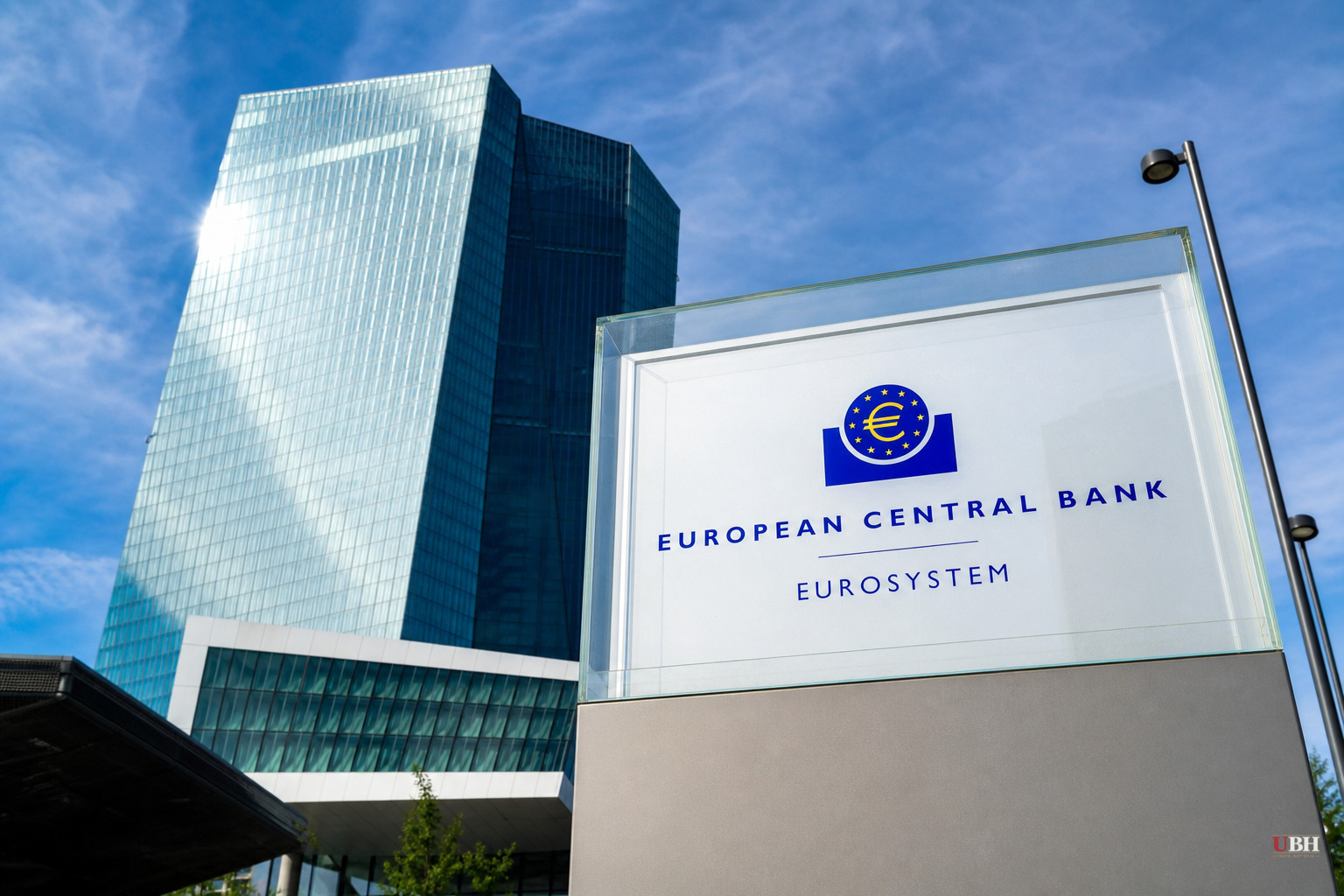
The European Central Bank released updated wage data Wednesday showing no acceleration in eurozone pay deals, despite an inflation spike tied to the conflict between the U.S. and Iran.
The ECB's wage tracker, which follows collective bargaining agreements across the eurozone, shows negotiated wages rising 2.6% in 2026. That's down from 3% in 2025. The tracker now extends its forward look through the first quarter of 2027, where it shows a slight uptick to 2.7%, according to the ECB's press release.
The bank calls that trajectory "stable." The 2026 number is unchanged from the ECB's June data release, meaning new wage agreements signed since then haven't moved the needle, according to the ECB.
Why the ECB Is Watching Wages So Closely
This isn't an abstract data point. The ECB has explicitly flagged wage negotiations as the tell for whether the current inflation spike turns into something worse, according to Dow Jones Newswires reporting carried by Morningstar.
Energy prices spike, inflation rises, workers demand bigger raises to keep up, businesses raise prices further to protect profit margins, and you get a self-reinforcing cycle. Economists call it a second-round effect. It's exactly the kind of thing that turned the 1970s oil shocks into a decade of double-digit inflation in the U.S. and Europe.
Right now, the ECB isn't seeing it. "None of those elements, for the moment, are giving us second-round effects indications," ECB President Christine Lagarde said last week, referring to the range of data series the bank uses to track wages, according to Dow Jones.
The Numbers Behind the Headline Figure
The eurozone's annual inflation rate hit 2.8% in June. That's above the pre-war level of 1.9%, but down from May's peak of 3.2%, according to Dow Jones Newswires. The bulk of that increase came from energy prices, driven by the closure of the Strait of Hormuz to tanker traffic during the first four months of the conflict.
ECB economists project a wider measure of wage growth, compensation per employee, will grow 3.2% in 2026, down from 3.9% in 2025, according to Dow Jones. With inflation forecast to average 3% this year, that actually points to a modest gain in real wages, workers coming out slightly ahead of price increases, not behind.
The ECB's own release breaks the tracker down further. The headline wage tracker, which smooths out one-off bonus payments, averages 1.8% in the first quarter of 2026, climbing to 2.6% by the third and fourth quarters. The ECB attributes that climb to a fading statistical quirk: large one-off payments made in 2024 that weren't repeated in 2025 are dropping out of the comparison base. It's not new money, it's an old bonus cycle rolling off the books.
Strip out one-off payments entirely and wage growth sits flat, around 2.6% for the whole of 2026, according to the ECB's data. That flatness is the headline the central bank wants markets to see.
The Catch Nobody's Wage Tracker Can Fix
Wage negotiations in Europe cluster at the start of the calendar year. That means the hard data on whether energy-driven inflation is bleeding into paychecks won't be fully visible until well into 2027.
If a wage-price spiral is quietly building, the ECB might not see conclusive proof until it's too late to head off with rate hikes, according to Dow Jones Newswires. That's not speculation. It's the ECB's own stated concern about the design of its data. A tracker built on annual negotiation cycles is structurally slow to catch a shift that happens mid-year.
The wage tracker's coverage numbers underline the lag problem. The 2026 estimate is based on agreements covering 44.3% of employees in participating countries. The 2027 first-quarter estimate covers just 28.4%, according to the ECB's press release. The bank says it will keep extending the forward horizon each quarter as more contracts get signed, pushing to the second quarter of 2027 when it updates again in September.
What Markets Are Doing About It Anyway
Despite the absence of any wage-spiral warning signs, investors are still pricing in a second ECB rate hike since the conflict began, expected when policymakers meet in September, according to Dow Jones Newswires.
The ECB's flagship early-warning indicator says wages are calm. Markets are betting the central bank hikes anyway. Either investors know something the wage tracker can't yet capture, given the reporting lag on 2027 contracts, or they're pricing in caution from an ECB that's already been burned once by underestimating inflation persistence.
The next major data point comes when the ECB updates the tracker again with its September release, extending forward coverage into the second quarter of 2027. Until then, the fight over whether this inflation spike stays an energy story or becomes a wage story runs on incomplete information, by the ECB's own admission.
Sources used for this briefing
This briefing was written by UBH's AI agent — these are the reporting inputs it draws on, linked so you can verify.


