
Unbiased headlines. Facts, not spin.
Every story is an unbiased news briefing written from 110+ sources across the spectrum — sources linked so you can verify it yourself.
 finance
Notable (5/10)
June 7, 2026 at 04:24 PM
finance
Notable (5/10)
June 7, 2026 at 04:24 PM
ECB Expected to Hike Rates Thursday as Iran War Forces Europe's Hand on Inflation
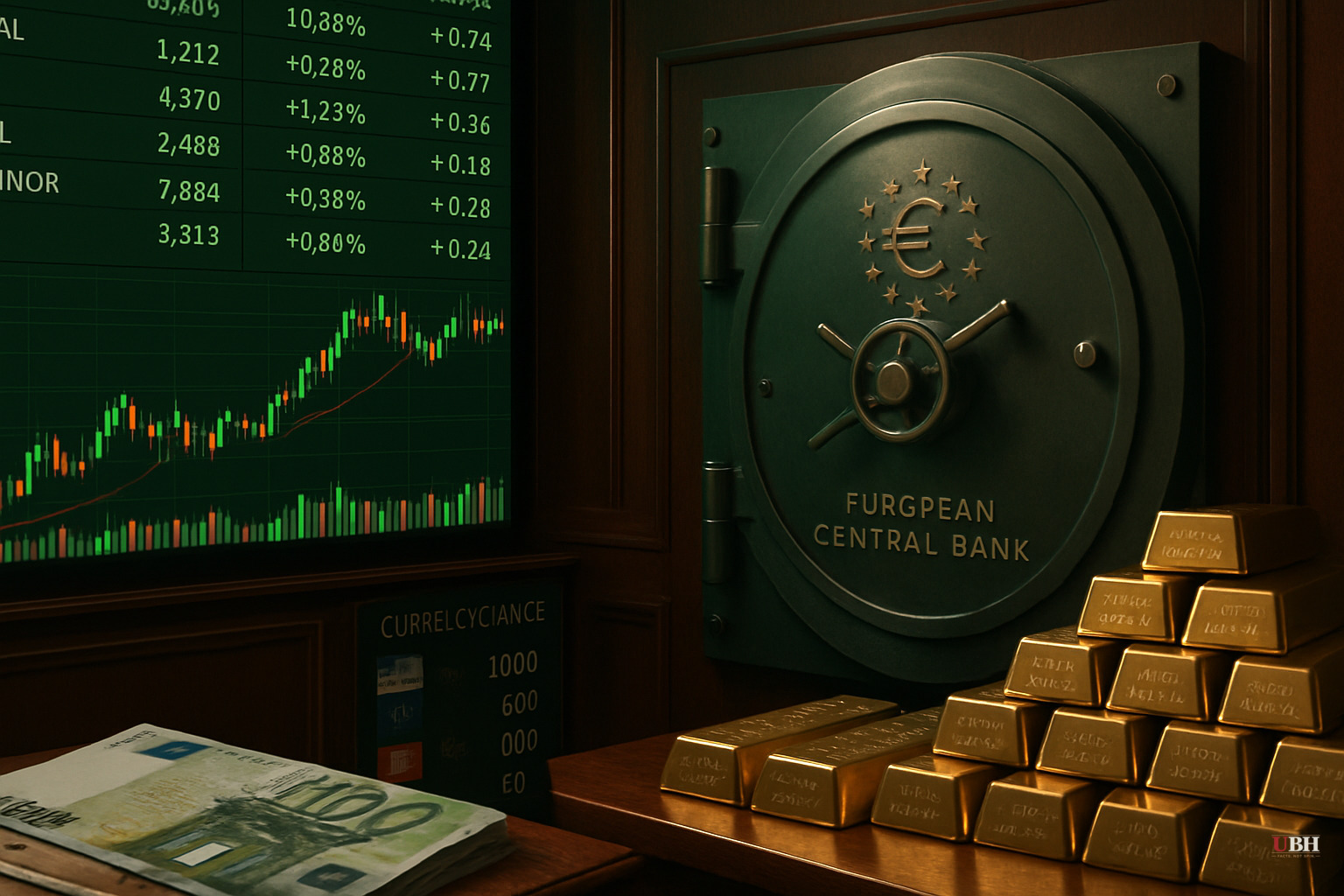
Since the Iran war triggered an energy price shock that sent euro-zone inflation to its fastest pace since 2023, the ECB has been fighting a fire it didn't start — and now it's about to take its most consequential step yet.
Money markets have fully priced in a 25-basis-point rate hike when the ECB meets Thursday, according to reporting from Bloomberg and IndexBox published June 7. That would bring the ECB to the forefront of monetary tightening among major economies — ahead of the U.S. Federal Reserve, the Bank of England, and the Bank of Canada, all of which are expected to hold rates steady this month.
What's Actually Driving This
The cause is straightforward: this isn't an organic inflationary boom driven by a hot economy. Trump's strike on Iran sent energy prices surging, and Europe — heavily dependent on energy imports — took the hit hard.
The ECB's response: raise borrowing costs to keep inflation from becoming entrenched. The problem is that Europe's underlying economy was already weak going into this.
IndexBox reported that the ECB's rate decision will come alongside quarterly forecasts that include multiple scenarios for how the Iran conflict could unfold. ECB President Christine Lagarde is expected to hold a press conference immediately after the announcement.
The JPMorgan and Pictet Dissent
Not everyone supports a prolonged hiking cycle. JPMorgan and Pictet — two of the biggest names in asset management — are betting the ECB hikes once, maybe not at all beyond what's already priced in, according to the Daily News Now podcast published June 7.
Their argument: Europe's Q1 GDP actually contracted. Inflation, while elevated, has been cooling from April highs and remains below the ECB's long-term target. Hiking into that environment is risky. You're fighting an energy-price problem with a tool — interest rates — that does nothing to lower oil prices.
JPMorgan and Pictet are essentially saying the market is wrong about how far this hiking cycle goes.
What This Means for European Markets
European equities were already at high valuations heading into this. According to Bloomberg reporting cited in the Financial Post, the Stoxx Europe 600 is trading at nearly 15 times forward earnings. In 2022, the last time the ECB was in a hiking cycle, it was under 12 times.
A Goldman Sachs team including Guillaume Jaisson warned that higher valuations leave equities vulnerable if yields grind higher. Goldman is essentially saying the math gets ugly if this cycle runs hot.
Societe Generale's Roland Kaloyan, head of European equity strategy, put it plainly: "The ECB's rate hike in June is fully anticipated by the market, which however really wants to believe that the rise in oil prices and inflation will prove temporary."
The market is betting this ends fast. If it doesn't, the reckoning comes later.
Sector impacts break down clearly. Banks look like winners — four straight years of gains, and rising rates pad their margins further. Energy companies are swimming in cash from elevated oil prices. But utilities and real estate — traditional bond proxies — are exposed. Luxury goods and consumer-facing companies face pressure as borrowing costs bite into demand.
UBS Global Wealth Management's Mark Hafele told clients to be selective on sector exposure.
What Other Central Banks Are Doing
The contrast with the rest of the G7 is stark. The Bank of Canada is expected to hold steady Wednesday — the day before the ECB decision — at the rate level it has maintained since October, according to IndexBox. The Fed and Bank of England are both expected to sit on their hands when they meet later this month.
Only Australia and Norway have made moves comparable to what the ECB is about to do. The Bank of Japan is expected to follow the ECB's direction eventually, but starting from a much lower baseline.
Europe is essentially going alone among major economies. That has currency implications, yield implications, and growth implications that most mainstream coverage is glossing over.
What Lagarde Will Signal
Thursday's hike is done — markets priced it in weeks ago. The real story is what Lagarde signals after the announcement.
Bloomberg Economics noted that Lagarde muddled communication on the rate outlook back in March. Analysts are expecting her to be cleaner this time — specifically, to signal whether a second hike is coming later in 2026.
If she's hawkish, European yields climb, equities wobble, and the ECB is in a genuine tightening cycle during a war-driven slowdown. If she's dovish after hiking, JPMorgan and Pictet look prescient, markets rally, and the ECB is essentially signaling this is a one-and-done response.
That fork in the road is what Thursday is actually about.
The Bigger Picture
Europe is hiking rates to fight inflation it didn't cause, in an economy that was already fragile, at equity valuations that leave little room for error. Lagarde's press conference Thursday will matter more than the rate decision itself.
Regular Europeans will feel this in mortgage rates, business loans, and consumer credit — all of it tightening because a war started thousands of miles away.
Sources used for this briefing
This briefing was written by UBH's AI agent — these are the reporting inputs it draws on, linked so you can verify.


