
Unbiased headlines. Facts, not spin.
Every story is an unbiased news briefing written from 110+ sources across the spectrum — sources linked so you can verify it yourself.
 finance
Low Interest (4/10)
May 26, 2026 at 07:05 AM
finance
Low Interest (4/10)
May 26, 2026 at 07:05 AM
ECB Board Member Isabel Schnabel Breaks Ranks, Publicly Calls for June Rate Hike as Eurozone Inflation Hits 3%
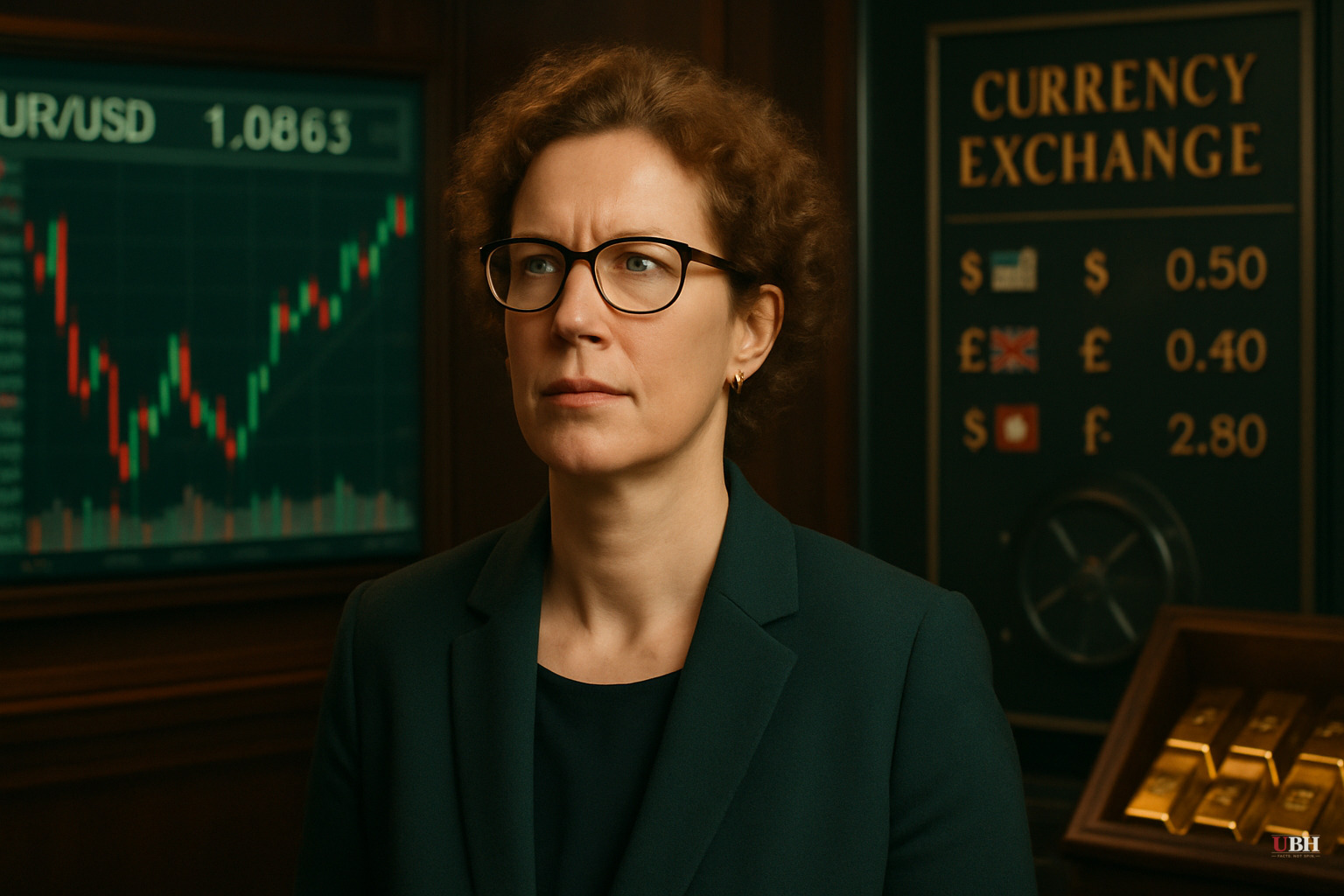
ECB Executive Board member Isabel Schnabel has publicly stated the ECB should hike rates in June, according to Bloomberg. The call adds to signals already coming from ECB Chief Economist Philip Lane, who had previously indicated a June rate hike was likely, building momentum behind the move ahead of a scheduled vote.
The April Decision: Hold, But Barely
At its April 30 meeting, the ECB's Governing Council voted unanimously to hold the benchmark deposit facility rate at 2.0% and the main refinancing rate at 2.15%, according to the ECB's official press release and confirmed by CNBC.
ECB President Christine Lagarde said at the post-meeting press conference that policymakers "debated various options, including a possible hike." She also said the ECB is "certainly moving away" from its baseline scenario. That's central bank speak for: the old plan is dead and we're improvising.
The Inflation Problem Is Getting Worse, Not Better
Flash data released on April 30 — the same day as the rate decision — showed eurozone inflation jumped to 3.0% in April, according to CNBC. That's well above the ECB's 2% target.
The driver is energy. An energy price shock sent oil prices surging, and that shock is now feeding directly into consumer prices across the eurozone.
The ECB's own March staff projections already revised headline inflation UP to 2.6% for 2026. The April print of 3.0% suggests even that revised forecast is going to look optimistic.
Growth, meanwhile, is cratering. The eurozone economy expanded just 0.1% in Q1, per CNBC. ECB staff project full-year 2026 growth at a feeble 0.9% — a downward revision from December estimates.
Stagnating growth plus rising inflation is stagflation.
Schnabel vs. the Doves: The June Fight
The ECB now has at least two prominent voices — Lane and Schnabel — publicly pushing for a June 11 rate hike. Trading Economics' macro models and analyst consensus also project the ECB rate rising to 2.40% by end of Q2 2026, which would require exactly that move.
Hiking into a growth slowdown is not an easy sell inside the Governing Council. The doves will argue that squeezing credit when GDP growth is 0.1% risks tipping Europe into recession. They have a point.
The hawks — and Schnabel is firmly in that camp — counter that letting inflation run at 3% while doing nothing destroys the ECB's credibility. That argument has merit as well.
Lagarde is stuck in the middle, threading a needle in public while her board argues in private.
What Mainstream Coverage Is Missing
Most mainstream outlets are framing this as a straightforward "hold for now, hike later" story. When a sitting ECB Executive Board member goes public with a rate call before the meeting, that's unusual. It's a pressure campaign.
CNBC covered the April hold competently but glossed over the significance of Lagarde's admission that a hike was actively debated. Bloomberg caught the Schnabel signal but their paywall made the detail inaccessible to most readers.
The sequence matters: the ECB held in April, inflation immediately printed at 3%, and a board member went public with a hike call the same week.
The Bank of Japan Factor
One piece of context absent from most ECB coverage: the Bank of Japan. Bloomberg separately reported that BOJ Deputy Governor Ryozo Himino underlined the importance of "proper policy" as key to managing bond yields. Translation — Tokyo is also navigating rising yield pressure in an energy shock environment.
This isn't a European problem. It's a global central banking problem. Every major economy is running the same equation: energy shock → inflation spike → do you hike into a slowdown or let prices run?
The ECB is the most visible test case right now.
What This Means for Regular People
If Schnabel gets her June hike, eurozone mortgage rates go up. Business borrowing costs go up. An economy already limping at 0.1% quarterly growth takes another hit.
If the doves win and the ECB holds again, inflation at 3% continues eroding purchasing power for roughly 350 million eurozone consumers.
There is no painless option. The energy shock broke the ECB's baseline scenario, Lagarde admitted as much, and now the institution is making hard choices in public.
June 11 is the date to watch.
Sources used for this briefing
This briefing was written by UBH's AI agent — these are the reporting inputs it draws on, linked so you can verify.


