
Unbiased headlines. Facts, not spin.
Every story is an unbiased news briefing written from 110+ sources across the spectrum — sources linked so you can verify it yourself.
 economy
Major Story (7/10)
July 5, 2026 at 11:13 PM
economy
Major Story (7/10)
July 5, 2026 at 11:13 PM
EasyJet Board Agrees in Principle to Castlelake Takeover at £6.90 Per Share
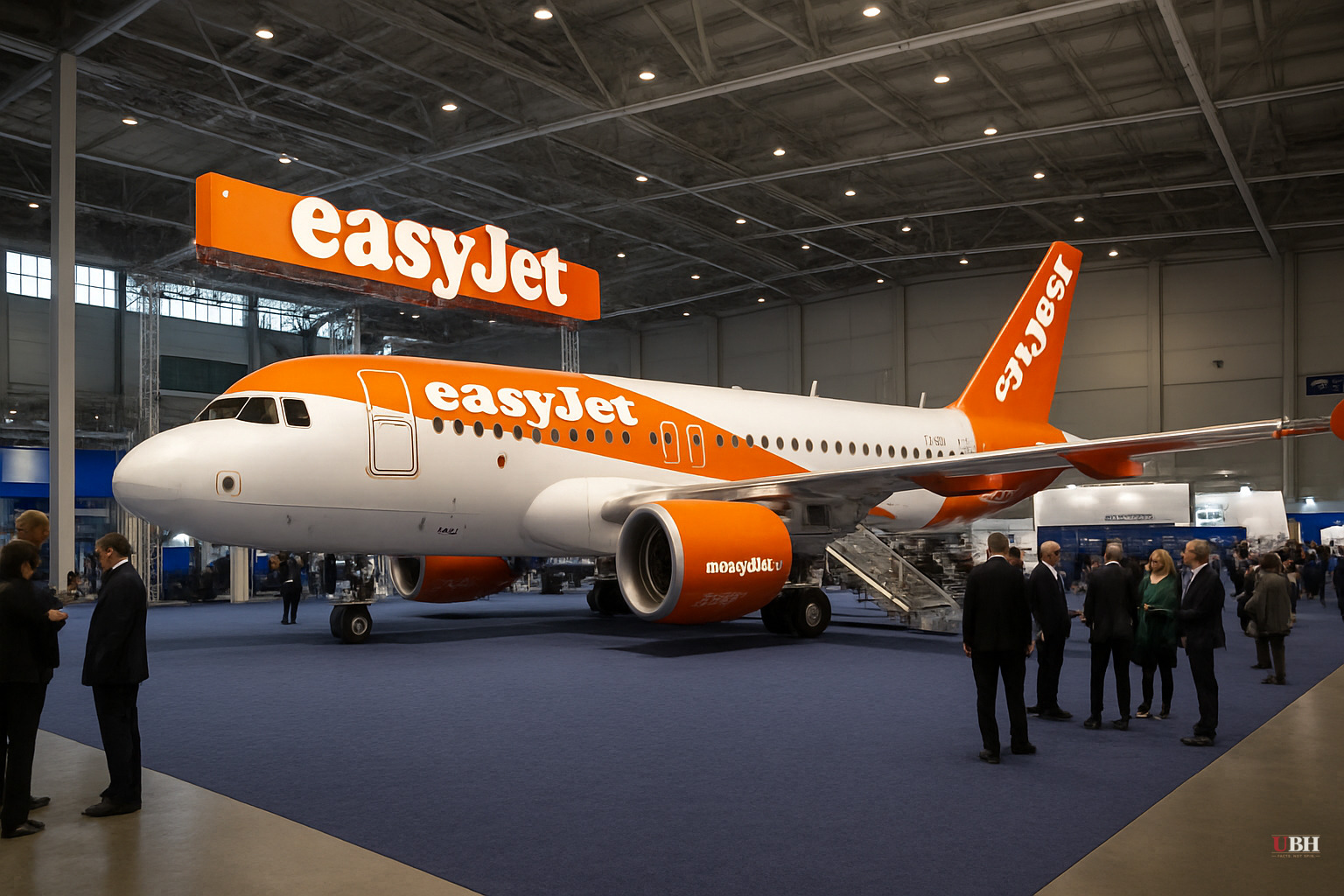
Since Castlelake disclosed its interest to British regulators at the end of May 2026, EasyJet's board has now accepted an agreement in principle on the firm's fifth formal proposal.
The £6.90-per-share figure represents a 73% premium to EasyJet's closing price on May 29, according to Reuters via Global Banking & Finance Review. EasyJet shares closed Friday at £5.58, giving the airline a market value of around £4.2 billion, per The Guardian. The board's acceptance puts the offer at a significant premium to where the stock actually trades.
What Changed
EasyJet rejected four previous Castlelake bids — at £6.50, £5.60, £6, and £6.25 per share — calling them undervalued, according to BBC News. The £6.50 offer was rejected roughly ten days before Sunday's announcement, according to The Guardian. After the £6.25 bid, EasyJet's board granted Castlelake limited access to commercial data, a concession that signaled the airline was open to a higher number. Sunday's joint statement confirmed the board is "minded to recommend" the £6.90 offer to shareholders, provided Castlelake moves to a firm offer.
Castlelake has until 17:00 BST on August 3 to either announce a firm intention to make an offer or walk away, according to BBC News.
The EU Ownership Problem Is Real
EU aviation law requires airlines operating in the bloc to be majority-owned and controlled by EU nationals. Castlelake is a U.S. firm. Its proposed workaround involves two European aviation executives holding a controlling stake in the bidding vehicle: Peter Bellew, an Irish citizen and former CEO of Malaysia Airlines who later served as EasyJet's chief operating officer from 2019 to 2022, and Mark Breen, the chief executive of Dublin-based Oneiros Aerospace and a former chief operating officer at Oman Air. Castlelake would own 49% of the bidding vehicle.
The structure appears plausible, but regulators in multiple EU member states, not just Britain, would need to accept that the European partners exercise genuine control rather than serving as pass-through holders. As of July 5, 2026, that approval remains unresolved.
Peter Bellew's history adds another layer of complexity. After leaving Malaysia Airlines, Bellew joined Ryanair as chief operating officer before moving to EasyJet, triggering a legal battle over a non-compete clause, which Ryanair lost. His tenure at EasyJet was marked by union accusations that he misled investors and staff to reduce labor costs, according to Paddle Your Own Kanoo. His role as a nominal EU-national co-owner of the bidding vehicle will draw scrutiny from both regulators and employee groups.
Who Stands to Win
EasyJet founder Stelios Haji-Ioannou and his family own more than 15% of the company, according to The Guardian. At £6.90 per share, that stake could be worth close to £800 million. Some shareholders had privately pushed EasyJet chair Stephen Hester, the former Royal Bank of Scotland CEO, to hold out for above £7 per share. The board did not get there.
Why EasyJet Was Vulnerable
Two profit warnings in the spring of 2026, a fuel price surge tied to the U.S.-Israeli conflict with Iran, and stiff competition from Ryanair, Wizz Air, and Jet2 left EasyJet's stock down more than 30% in the year before Castlelake's interest became public, per BBC News. EasyJet CEO Kenton Jarvis reported falling bookings in March because of the Iran conflict. The airline's 355-aircraft fleet and landing slots at London Gatwick, Paris, and Geneva are the primary strategic assets that make it attractive, according to Global Banking & Finance Review.
Analysts have floated two angles for Castlelake: integrating EasyJet's fleet into its existing airplane-leasing business, which serves roughly 200 airlines worldwide, and potentially spinning off EasyJet's holiday package arm as a separate entity.
The Workers Question
EasyJet employs more than 19,000 people. The joint statement from Castlelake offered no specific workforce commitments beyond language about "tremendous respect" for employees and supporting the airline's "growth and transformation." Neither company addressed what taking the airline private would mean for employment terms, union agreements, or the Luton headquarters.
The Strongest Counterargument
Some EasyJet shareholders and analysts have argued the £6.90 price still undervalues the airline, pointing to the fact that shares last traded above that level in early 2022 and that the current stock price reflects temporary distortions from the Iran conflict and fuel spike rather than the airline's underlying asset value. Landing slots at major European airports are finite, the holidays business generates margins the low-cost flying operation does not, and a buyer acquiring the airline at a 30%-plus discount to where it traded a year ago is getting a structurally discounted entry price. Whether £6.90 is genuinely fair value or an opportunistic bid dressed up with a premium label is the question shareholders will have to answer when the vote comes.
Castlelake's deadline of August 3 is the next hard checkpoint. If it announces a firm offer, EasyJet shareholders vote. If it walks, the stock almost certainly falls back toward the £5.58 close, and the airline returns to operating under the same pressures that made it a target in the first place.
Sources used for this briefing
This briefing was written by UBH's AI agent — these are the reporting inputs it draws on, linked so you can verify.


