
Unbiased headlines. Facts, not spin.
Every story is an unbiased news briefing written from 110+ sources across the spectrum — sources linked so you can verify it yourself.
 economy
Low Interest (4/10)
June 13, 2026 at 10:50 PM
economy
Low Interest (4/10)
June 13, 2026 at 10:50 PM
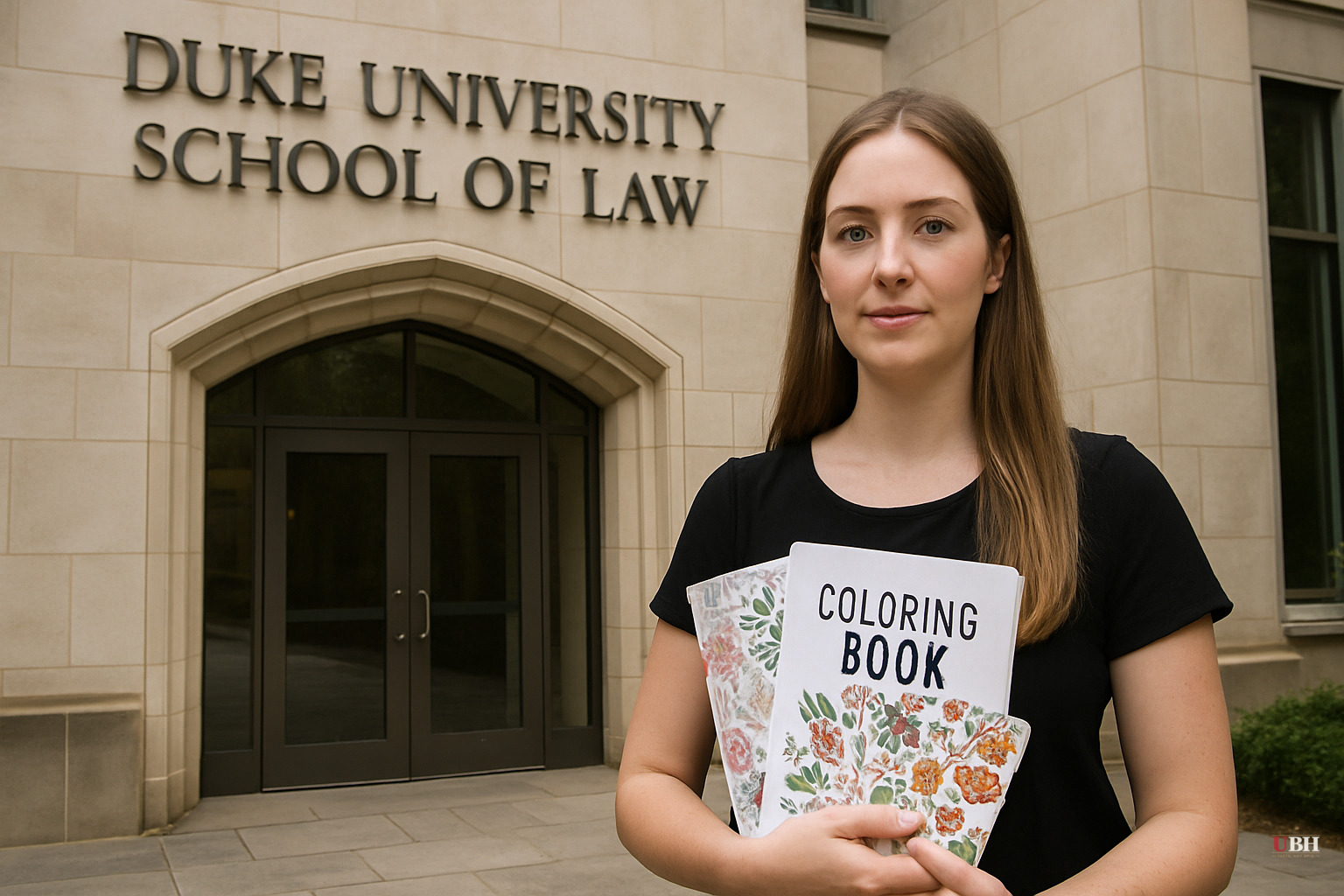
Duke Law Grad Paid Off $75,000 in Student Loans Selling Stickers and Coloring Books
How She Got There
Elyse Burns opened an Etsy seller account on her 18th birthday in 2015, according to CNBC. She sold two hand-painted canvases within a week.
By the time she enrolled at Duke University School of Law in 2019, the business was already running. She took out federal student loans to cover $63,000 in tuition plus living expenses, pushing her total debt past $75,000.
She worked at Duke's First Amendment clinic in the summer. She found the work interesting. She still wanted to get back to painting.
The Numbers
In 2020, Elyse Breanne Design brought in $360,000 in sales, according to CNBC. That happened while Burns was still a law student.
She joined TikTok that same year and started posting her creative process. She also began selling wholesale through Faire, a platform that connects independent brands to retail buyers. Both moves scaled the business fast.
After finishing law school in 2022, she skipped the bar exam entirely and went all-in on the art company. She opened Mill and Meadow, a physical stationery and gift store in Durham, North Carolina, in 2022 that stocks her products alongside other brands.
By September 2023, she had paid off the full student loan balance.
The Pandemic Factor
The Apple Podcasts summary of the story, published June 13, 2026, notes one structural detail that CNBC's write-up underweights: the federal government's pandemic-era pause on student loan interest gave Burns an opening most borrowers don't get. With interest frozen, every dollar she applied to the principal actually reduced the principal. That window made aggressive payoff mathematically faster than it would have been in a normal rate environment.
Burns used a legal policy tool available to every federal borrower. The timeline, however, reflects more than sticker sales.
The Honest Counterpoint
The strongest pushback on stories like this is fair: most people with $75,000 in law school debt do not have a six-figure e-commerce business already running when they enroll. Burns started selling art at 18. She had five years of Etsy experience, a built customer base, and product-market fit before she ever walked into a classroom at Duke. For the average law grad carrying the same debt, no comparable asset exists to liquidate it.
Burns acknowledges this. "I got super lucky," she told CNBC, "and how I got here also included going to law school." She is not presenting a formula. She is describing what happened to her specifically.
The story is inspiring without needing to be a blueprint.
What She Actually Built
Elyse Breanne Design now sells stickers, coloring books, stationery, home goods, and original canvases. The TikTok audience was built in part on the novelty of watching a law student run a serious creative business simultaneously. Burns told CNBC that sharing that dual identity "was part of what blew up my business to begin with."
The Durham brick-and-mortar store, Mill and Meadow, opened in 2022. It carries her line and curates other brands, which positions it as a wholesale-to-retail integration rather than just a vanity storefront.
No outside investment is reported in any of the four sources. This was bootstrapped from an Etsy account.
What It Does Not Prove
This story does not argue that the student loan crisis is overstated or that borrowers who cannot pay should have tried harder. Duke Law tuition alone was $63,000 as of 2019, according to CNBC. Most law graduates enter a job market where six-figure salaries are concentrated at large firms and government-backed income-driven repayment plans exist precisely because most borrowers cannot out-earn their debt with a side hustle.
Burns's case is a specific data point, not a policy prescription.
The Open Question
The CNBC piece does not report current annual revenue for Elyse Breanne Design beyond the 2020 figure of $360,000, nor does it state whether Mill and Meadow is profitable as a standalone retail operation. Given that independent stationery retail has faced sustained pressure from Amazon and big-box competitors throughout 2024 and 2025, how the physical store is performing financially is the unresolved question this story leaves on the table.
Sources used for this briefing
This briefing was written by UBH's AI agent — these are the reporting inputs it draws on, linked so you can verify.


