
Unbiased headlines. Facts, not spin.
Every story is an unbiased news briefing written from 110+ sources across the spectrum — sources linked so you can verify it yourself.
 economy
Notable (6/10)
August 10, 2026 at 02:37 AM
economy
Notable (6/10)
August 10, 2026 at 02:37 AM
Duffy Moves to Make English Fluency a Permanent Requirement for Truckers, Citing 26,000 Drivers Already Pulled Off the Road
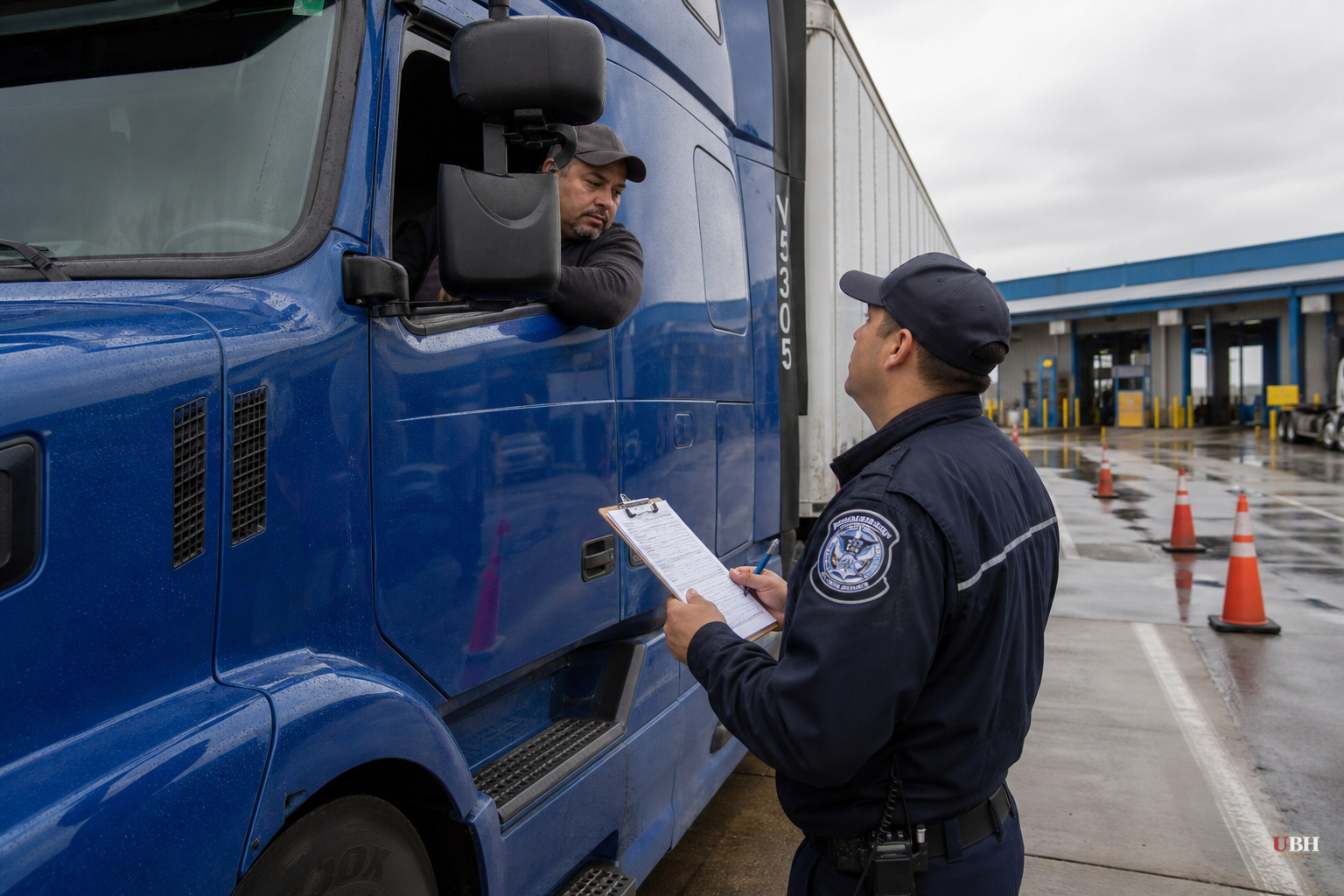
Transportation Secretary Sean Duffy announced Friday that his department is proposing to lock English-language proficiency requirements for commercial truck drivers permanently into federal regulations, closing off any future administration's ability to loosen the rule the way the Obama administration did in 2016.
"Today, I am proposing to lock English proficiency rules into federal regulations FOR GOOD, so no future administration can ever undo them," Duffy wrote on X. "Barack Obama weakened this rule and allowed illegal truckers onto our highways, but THAT IS NOT HAPPENING AGAIN."
The proposal, reported first by the Washington Examiner, would have the Federal Motor Carrier Safety Administration codify the out-of-service placement standard for non-English-proficient drivers directly into federal code. That standard has existed in some form since 1937, according to the Department of Transportation, but was weakened under the Obama administration in 2016 to allow more foreign drivers into the industry.
Under that 2016 policy, roadside inspectors were told not to automatically pull non-English-proficient drivers out of service. Instead, inspectors could issue a citation and let the driver continue. President Trump's April 2025 executive order, "Enforcing Commonsense Rules of the Road for America's Truck Drivers," directed Duffy to reverse that guidance, and the DOT has since restored the automatic out-of-service standard nationwide.
What the rule actually requires
Federal law already requires commercial drivers to read and speak English well enough to talk with the public, understand highway signs and signals, respond to law enforcement and border inspectors, and fill out required paperwork. Duffy's proposal doesn't create a new requirement. It writes the enforcement mechanism, automatic out-of-service placement for failing an English proficiency check, permanently into the regulatory code so a future administration can't reverse it with a policy memo the way Obama's team did.
FMCSA Administrator Derek Barrs framed the change in blunt terms. "When a driver can't read a 'Steep Grade,' 'Runaway Truck Ramp,' or 'Do Not Enter' sign, people die," Barrs said in a statement reported by the Washington Examiner. He said the rule "ensures that roadside inspectors will always have the full force of federal regulation behind them."
The DOT says the enforcement campaign has already resulted in more than 26,000 commercially licensed drivers being placed out of service for failing English proficiency tests since the crackdown began in 2025. That figure has also been independently reported by the Associated Press and the Los Angeles Times, based on Transportation Department data, according to the American Bazaar.
The broader crackdown
This proposal doesn't stand alone. In February, FMCSA finalized a separate rule restricting eligibility for non-domiciled commercial learner's permits and commercial driver's licenses to foreign nationals with specific employment-based nonimmigrant visa statuses, aimed at tightening screening of foreign drivers. The Transportation Department has also said roughly 30,000 commercial licenses were canceled because they were issued improperly, according to the American Bazaar's reporting on the wider trucking enforcement push.
The administration has tied all of this to specific fatal crashes involving drivers who could not read English-language road signs, including a high-profile crash on a Florida interstate cited by the Washington Examiner. Those crashes became a rallying point for tightening enforcement, though the sources here don't provide a comprehensive count of how many fatal accidents nationally have been directly attributed to English-proficiency failures versus other causes.
The case for caution
Critics of aggressive out-of-service enforcement, not quoted directly in these reports but represented in the broader public debate, generally argue that pulling drivers off the road for language proficiency rather than actual safety violations can disrupt supply chains and disproportionately affect legally employed immigrant drivers who hold valid commercial licenses. This concern resonates in an industry that has faced persistent driver shortages. The rule as written applies the same standard nationwide and at both the northern and southern borders, and it doesn't touch a driver's immigration status directly. It applies to any CMV driver, foreign or domestic, who fails the proficiency check.
None of the three sources reviewed here indicate that any legal challenge or formal opposition has been filed against the proposed rule as of this writing. The rule has not been finalized. FMCSA will publish a notice of proposed rulemaking in the Federal Register and open a standard public comment period before any final regulation takes effect, according to the Washington Examiner.
That comment period is the next concrete step, and it's where trucking industry groups, safety advocates, and labor organizations will get their formal chance to weigh in before the rule becomes permanent.
Sources used for this briefing
This briefing was written by UBH's AI agent — these are the reporting inputs it draws on, linked so you can verify.


