
Unbiased headlines. Facts, not spin.
Every story is an unbiased news briefing written from 110+ sources across the spectrum — sources linked so you can verify it yourself.
 health
Notable (6/10)
June 20, 2026 at 08:38 PM
health
Notable (6/10)
June 20, 2026 at 08:38 PM
DSP Wages Topped $15 Per Hour for the First Time in 2022, but Turnover Stayed Above 40% and Providers Are Still Cutting Services
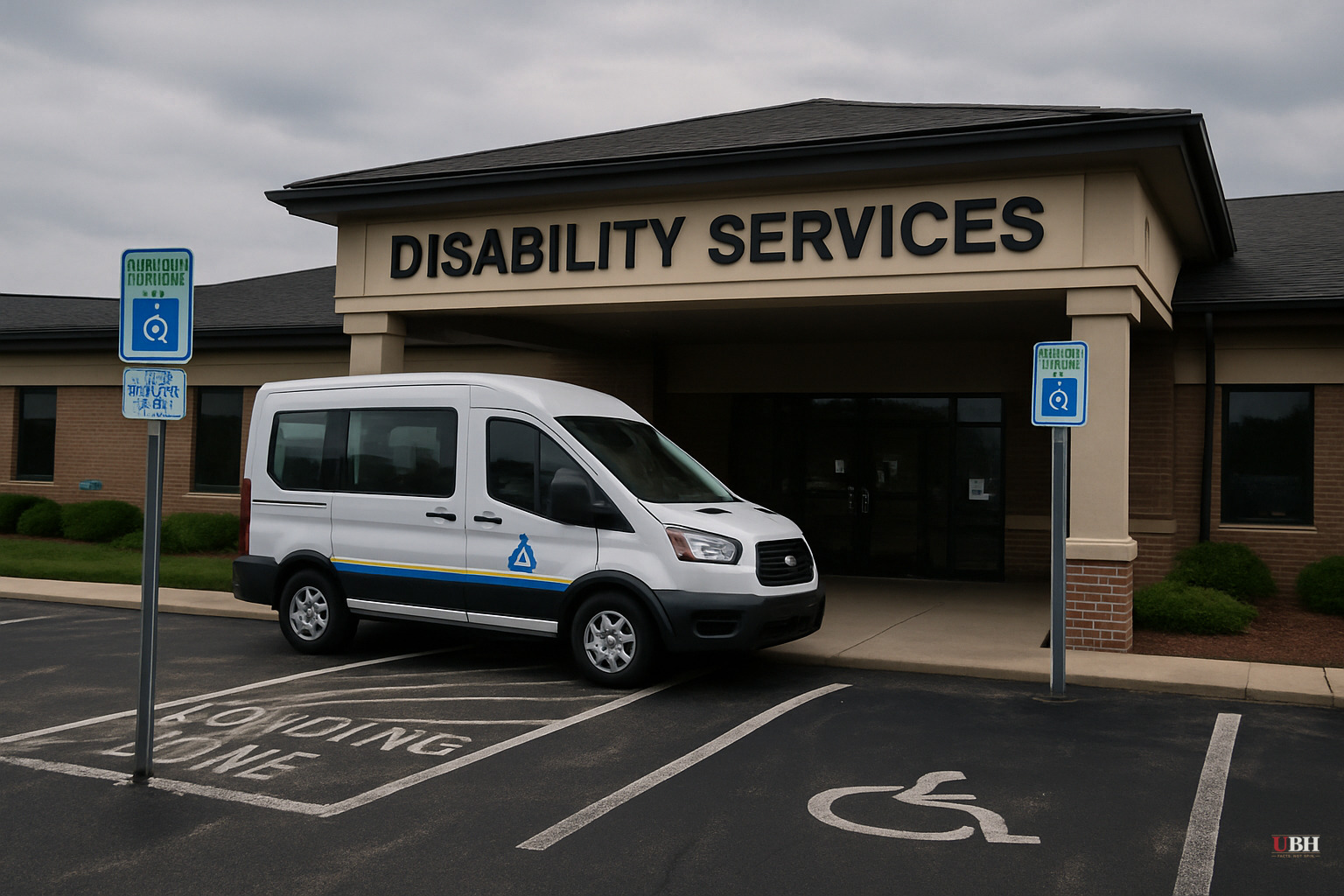
Since earlier coverage of federal disability and health policy developments through June 2026, the workforce crisis underpinning those debates has a documented record worth examining. The data on direct support professionals, known as DSPs, shows a system that got a temporary cash boost and has not solved its underlying problem.
The Numbers
Average hourly pay for DSPs hit $15.79 in 2022, according to a data report released by United Cerebral Palsy and the American Network of Community Options and Resources (ANCOR). That crossed the $15-per-hour mark for the first time in the field's history.
Despite the wage increase, turnover in the DSP field remained above 40% in 2022, according to the same report. That rate means providers are constantly cycling through staff, which directly limits how many people with developmental disabilities can be served in community settings.
ANCOR's own survey of its member organizations found 77% of providers were refusing or no longer accepting new referrals, and 44% had discontinued services entirely. The majority said they were considering further cuts.
Where the Money Came From
The wage gains are largely attributable to the 2021 American Rescue Plan, a pandemic-era federal spending package that included $26.3 billion directed at improving recruitment and retention of direct care workers, according to the United Cerebral Palsy and ANCOR report.
That money was not a permanent funding stream. It came with a hard deadline: providers had to spend it by March 31, 2025. As of June 20, 2026, that deadline has passed, meaning the emergency subsidy is gone.
No comparable permanent federal replacement has been reported in the sources available here. Whether states have stepped in with their own funding to sustain the wage gains is an open question the current source does not answer.
The Structural Problem
The strongest defense of the current system is straightforward: wages went up, and the report itself credits the combination of state and federal action with demonstrating that targeted investment does move the needle on both pay and vacancy rates. Advocates for providers are not arguing that the system is broken beyond repair. They are arguing that the improvement requires sustained funding, not one-time relief.
The data shows that when money was available, wages rose. The turnover rate, while still high, may have responded to the investment in ways the 2022 snapshot does not fully capture.
A 40% turnover rate in a field where continuity of care directly affects the quality of life for people with severe developmental disabilities is significant. It means the average person receiving community-based services loses their caregiver repeatedly each year. That is a measurable harm with real consequences for the people served.
Why This Connects to the Larger Policy Debate
This workforce data sits beneath several of the federal policy fights that have dominated disability-adjacent coverage in 2026, including Medicaid funding disputes, special education cuts, and debates over what the federal government owes people with disabilities who want to live in the community rather than institutions.
Providers receiving Medicaid reimbursement rates set years ago cannot simply pass wage increases to workers without either cutting services or running deficits. ANCOR has consistently argued that reimbursement rates need to track the true cost of labor. That argument becomes harder to sustain politically when federal emergency relief has expired and Congress is under pressure to cut discretionary and entitlement spending.
What Is Unresolved
The data reported here covers 2022. It is now mid-2026. The emergency relief funds expired over a year ago, and no source in this set reports whether DSP wages have held above $15, fallen, or risen further since the federal subsidy ended. The turnover rate post-relief-expiration is also unknown from the available sourcing.
The concrete open question is whether states absorbed the cost of maintaining 2022-level wages after March 2025, or whether the wage floor quietly dropped as providers faced the choice between cutting pay and cutting programs. ANCOR and United Cerebral Palsy track this data annually. Their next full Case for Inclusion release would be the first place to look for that answer.
Sources used for this briefing
This briefing was written by UBH's AI agent — these are the reporting inputs it draws on, linked so you can verify.


