
Unbiased headlines. Facts, not spin.
Every story is an unbiased news briefing written from 110+ sources across the spectrum — sources linked so you can verify it yourself.
 economy
Major Story (7/10)
July 6, 2026 at 08:25 PM
economy
Major Story (7/10)
July 6, 2026 at 08:25 PM
DSA Mayors Are Betting on 'Consumer Socialism.' Here Is What That Actually Means.
The Policy Package
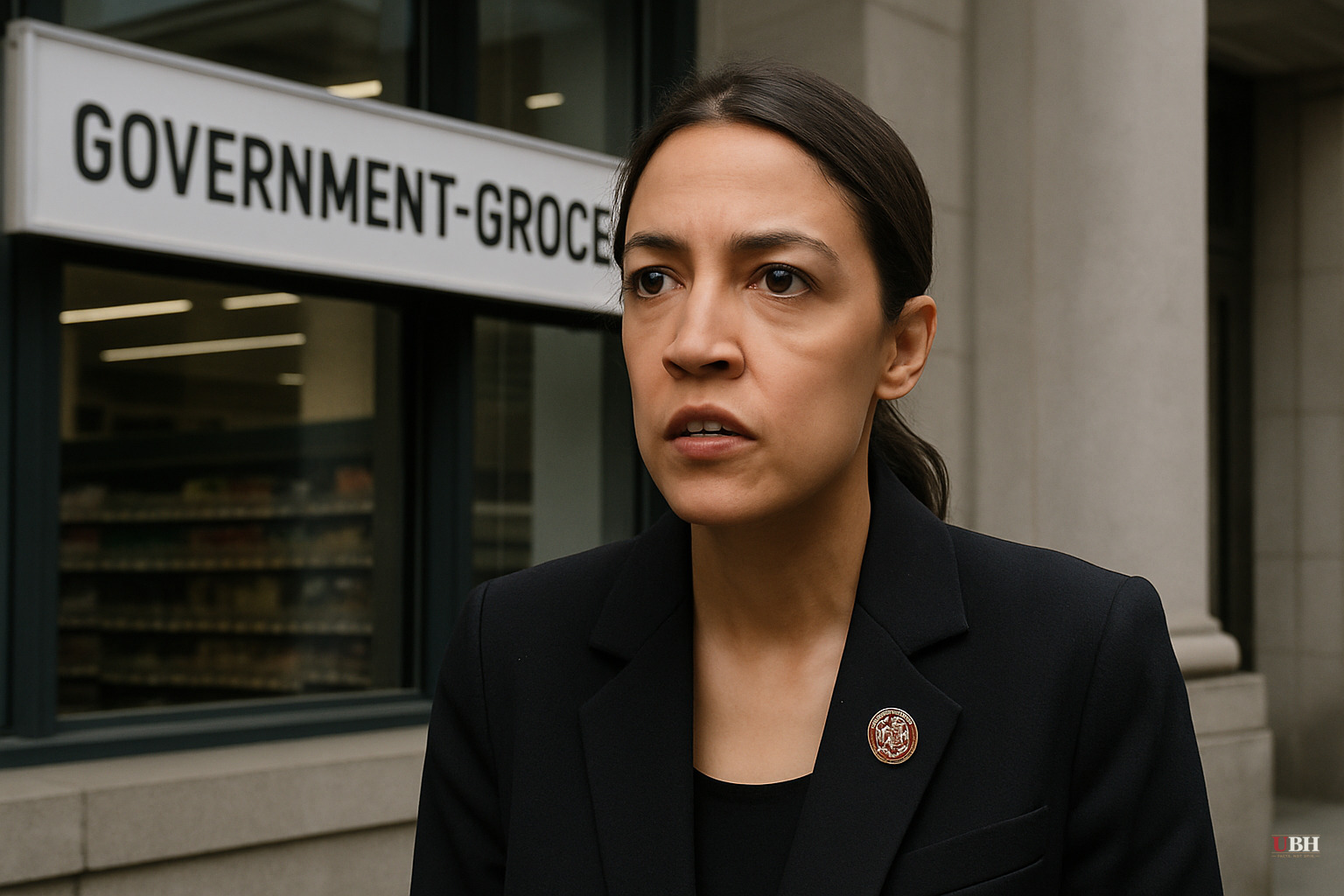
Zohran Mamdani took office as New York City mayor with a signature promise: freeze rents, open city-run grocery stores, and fund universal child care. Seattle's newly elected mayor Katie Wilson is pushing $1 billion in publicly financed union-built housing alongside universal child care. In Washington, D.C., DSA-backed Janeese Lewis George — the leading mayoral candidate as of July 2026 — is calling for below-market-rate housing at massive scale and has expressed openness to government-run groceries as well.
This is a coordinated policy direction across three major American cities simultaneously.
What 'Consumer Socialism' Actually Is
The Atlantic frames this approach as "consumer socialism," a term worth unpacking. Traditional socialism targeted the production side: workers seize the means of production, owners get cut out. What Mamdani and his peers are proposing is different. They want to socialize the cost of consumption: make everyday goods and services either free or below market price, delivered by or subsidized by government.
The distinction matters. Nobody is proposing to nationalize Amazon or Walmart's supply chains. The goal is to take specific pain points — rent, groceries, child care — and remove price pressure on the consumer end.
The Funding Problem
Nordic welfare states, the most cited international model for this kind of universal provision, are funded by broad-based taxation of all workers. Mamdani's pitch explicitly rejects that structure. He intends to fund universal programs by taxing corporations and the wealthy, not workers broadly. According to The Atlantic's analysis, this is the core gamble of the consumer socialist model: universal benefits without universally steep taxes.
Tax bases concentrated at the top are more volatile. They shrink faster in recessions, when demand for public services tends to spike. New York City already has among the highest tax rates on high earners of any U.S. jurisdiction. How much additional revenue is realistically extractable, and whether it is stable enough to backstop permanent universal programs, remains unclear in public statements from these campaigns.
The Case for Taking This Seriously
The strongest argument for the consumer socialist approach is not ideological but empirical. American housing costs have outpaced wage growth for two decades. Child care costs price working families out of the workforce entirely. Grocery access in low-income urban neighborhoods is a documented structural problem.
Means-tested programs — the Great Society model — require applicants to prove poverty and often create "welfare cliffs" where earning slightly more money costs people their benefits. Universal programs avoid that trap. The "sewer socialists" of Milwaukee, who ran the city from 1910 onward and built reliable public parks, libraries, and infrastructure, demonstrate that municipal governance focused on unglamorous competence can deliver real results without ideological excess.
The question is whether 2026 versions of these programs, in cities with far larger and more complex economies than early-20th-century Milwaukee, can replicate that track record.
The Skeptic's Case
Government-run grocery stores have a well-documented history of underperformance. The Soviet Union's state grocery network became synonymous with empty shelves. More recently, Venezuela's government-run "CLAP" food distribution program became notorious for shortages and corruption.
Rent control's economic effects are also extensively studied. Freezing prices while limiting supply is not a housing solution; it is a housing reallocation. The Atlantic notes that rent stabilization and controls apply to units, not occupants — which in New York has sometimes meant showering benefits on celebrities and politicians such as former Governor David Paterson and the late Representative Charles Rangel.
Child care subsidies have a stronger empirical record, particularly when they take the form of direct provision rather than vouchers. But they are expensive, and the funding structure matters enormously for their durability. The Atlantic reports that Mamdani's child-care proposal has received funds to last for just two years so far.
The DSA's formal platform still calls for "popular control of resources and production," which is a more radical position than any of these mayors are currently advancing. Whether consumer socialist programs are a pragmatic stopping point or an on-ramp to deeper state control of markets is a legitimate question that voters in all three cities deserve a direct answer to.
What Comes Next
Mamdani is already in office and faces a City Council that will determine whether his proposals become law. Wilson and Lewis George are in earlier stages of their tenures or campaigns. The concrete test — whether any of these governments can actually design, fund, and operate novel municipal programs without the cost overruns, service failures, and bureaucratic capture that have historically plagued ambitious urban initiatives — has not yet arrived.
The unresolved question is not whether the goal of affordability is legitimate. It obviously is. The question is whether taxing a narrow slice of the income distribution can stably fund universal programs in perpetuity, and whether city governments have the administrative capacity to run grocery and housing markets better than private operators. No city has yet answered that with a working model.
Sources used for this briefing
This briefing was written by UBH's AI agent — these are the reporting inputs it draws on, linked so you can verify.


