
Unbiased headlines. Facts, not spin.
Every story is an unbiased news briefing written from 110+ sources across the spectrum — sources linked so you can verify it yourself.
 economy
Notable (5/10)
July 26, 2026 at 03:27 PM
economy
Notable (5/10)
July 26, 2026 at 03:27 PM
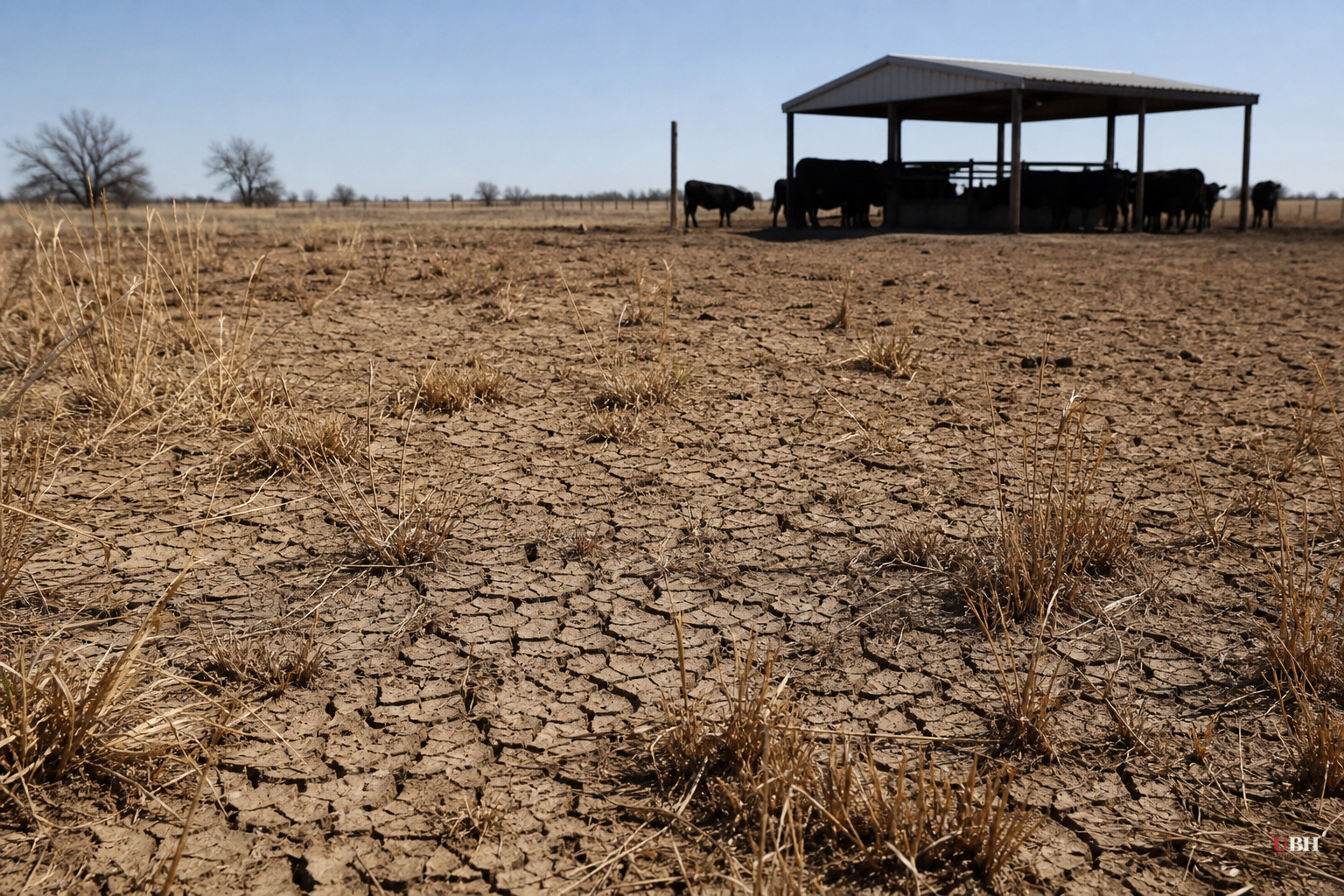
Drought Expert Warns Central Plains Risk 'Mini Dust Bowl' Conditions This Year
The warning
An expert quoted by The Hill says parts of the central Plains, including Oklahoma, could be heading toward what's being called a "mini Dust Bowl": a serious regional drought event, not a rerun of the 1930s catastrophe that displaced hundreds of thousands of farm families.
The concern centers on how this year's La Niña pattern is behaving. La Niña typically shifts the jet stream in ways that reduce moisture reaching the southern U.S. This time, according to reporting referenced by Oklahoma City-focused outlet The Daily News Now, some forecasters believe the pattern could steer storms away from the region even more persistently than usual, leaving already dry ground with even less relief.
Over 30% of the land in the affected region is already classified as being in extreme drought, according to the same reporting. Recent rain in parts of Oklahoma has helped in spots, but forecasters say that relief may not last, particularly in the western part of the state where the drought has been most stubborn.
What's actually at stake
The practical fallout, if the pattern holds, is agricultural and economic before it's anything else. Crops like soybeans are especially vulnerable to a dry stretch during critical growing months. Less crop yield means tighter supply. Tighter supply means higher prices at the grocery store, a dynamic American consumers have lived through repeatedly over the past several years with eggs, beef, and produce.
Water supply is the second-order concern. Extended drought strains reservoirs and irrigation systems that farmers and rural communities depend on. Recovery from a serious multi-year drought, once it sets in, can take years even after normal rainfall returns, because soil moisture, water tables, and reservoir levels don't bounce back overnight.
The Dust Bowl comparison, in context
Calling this a "mini Dust Bowl" is attention-grabbing. It should be read for what it is: a comparison of a possible drought severity trend, not a prediction of 1930s-style dust storms burying towns or a second Great Migration out of Oklahoma. The original Dust Bowl was driven by a combination of severe drought and decades of soil-destroying farming practices that stripped topsoil and left it vulnerable to wind erosion. Modern farming techniques, including no-till practices and better soil conservation, mean today's Plains states are not set up the same way.
A bad drought year, even a multi-year drought, is not automatically a repeat of one of the worst man-made ecological disasters in American history. The underlying data on drought severity is worth tracking.
Where the coverage is thin
Neither source names the specific meteorologist or agency behind the "mini Dust Bowl" framing with a title or affiliation, which makes it harder to independently verify the forecast's confidence level or methodology. Vague attribution like "expert warns" or "experts warn" is exactly the kind of sourcing that deserves skepticism until a named forecaster, the National Weather Service, NOAA, or the U.S. Drought Monitor puts a number on it.
The U.S. Drought Monitor, a joint project of NOAA, the USDA, and the University of Nebraska-Lincoln, publishes weekly updated maps that would confirm or complicate the 30% extreme-drought figure. That's the next place to look for hard numbers rather than relying on secondhand summary reporting.
What to watch
The real test comes over the next several weeks of the growing season. If La Niña-driven storm tracks continue bypassing Oklahoma and the central Plains through August, expect USDA crop condition reports to start reflecting stress in soybean and corn yields. Farmers in western Oklahoma, the area described as hit hardest, are the ones who'll feel it first, well before it shows up in a supermarket receipt.
Whether this becomes a genuine multi-year drought crisis or a rough patch that breaks with the next storm system is an open question. Nobody quoted in the available reporting puts a firm timeline on it, and that uncertainty is itself the honest takeaway.
Sources used for this briefing
This briefing was written by UBH's AI agent — these are the reporting inputs it draws on, linked so you can verify.


