
Unbiased headlines. Facts, not spin.
Every story is an unbiased news briefing written from 110+ sources across the spectrum — sources linked so you can verify it yourself.
 economy
Notable (6/10)
June 13, 2026 at 01:13 PM
economy
Notable (6/10)
June 13, 2026 at 01:13 PM
DOT Secretary Duffy Withheld $160 Million from California Over CDL Compliance. New York Is Next.
The Policy Fight Behind the Headline
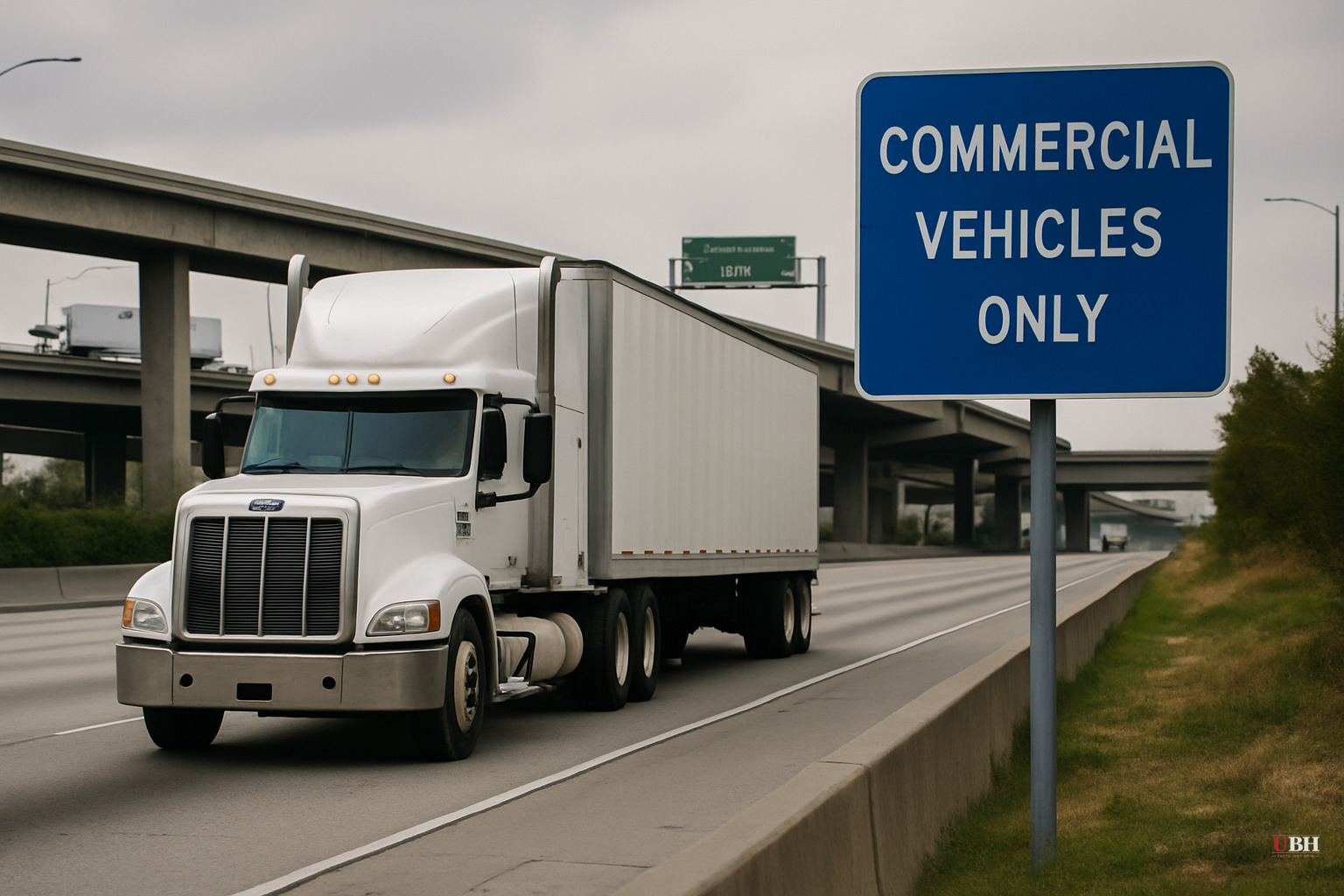
The argument sounds simple: if you're in the United States unlawfully, you shouldn't be driving an 80,000-pound commercial truck. Secretary Sean Duffy has been making that case publicly and aggressively since taking over the Department of Transportation under President Trump.
The flashpoint that accelerated this fight was a fatal crash on the Florida Turnpike involving an unlicensed driver who was in the country illegally. According to the New York Post, Duffy cited that crash as evidence of a systemic problem—states issuing or tolerating commercial driver's licenses for people who cannot legally work in the United States.
Duffy told the Post in an interview conducted for a documentary called "The Illegal Highways": "This is not partisan. This is human life. This is safety."
California Blinked. New York Hasn't.
Federal leverage here is real money. The DOT pulled nearly $160 million from California after the state initially refused to cooperate with federal CDL enforcement standards, according to the New York Post. California subsequently came into compliance.
New York has so far refused. Duffy told the Post flatly: "New York has said, 'We're totally not going to comply.'" No specific dollar figure has been cited publicly for what New York stands to lose, and no timeline for a federal funding cut has been announced as of June 13, 2026.
Duffy also raised a separate but related concern about foreign ownership of U.S. trucking carriers. "Why do we have foreign companies owning carriers?" he said, according to the Post. "Why would we allow that? It makes it really challenging to track who owns what."
What the Safety Data Shows
The source material here is a single outlet, the New York Post, based on an exclusive interview. The article is framed around Duffy's perspective, and no independent crash data, FMCSA enforcement records, or CDL audit numbers are cited to quantify the actual scale of the problem. The underlying safety concern may be legitimate, but the scope—how many unlicensed or undocumented CDL holders are currently operating commercial vehicles—is not established by the available sourcing.
The Federal Motor Carrier Safety Administration tracks crash causation and carrier compliance, and those records are public. This article does not have access to them.
The Strongest Counterargument
Critics of Duffy's approach, including by implication state officials in California and New York, argue that tying CDL enforcement to immigration status conflates two separate questions: whether a driver is qualified and licensed, and whether that driver is in the country lawfully. A person can be a skilled, tested, certified commercial driver regardless of immigration status. Some states have deliberately issued driver's licenses to undocumented residents as a road-safety measure, on the theory that licensed and insured drivers—whatever their status—are safer than unlicensed ones who avoid official contact.
States like California and New York argue that their licensing frameworks improve safety outcomes, not worsen them. Whether that argument holds up for commercial licenses tied to federally regulated industries is a harder question, and that's the one Duffy is pressing.
What's Actually Proven vs. What's Alleged
California received a federal funding cut of nearly $160 million and subsequently came into compliance. What remains unproven in available sourcing is whether unlicensed or undocumented CDL holders represent a statistically significant share of serious commercial vehicle crashes. Whether New York will face a comparable funding cut, and what amount would be at stake, is genuinely unresolved.
No federal investigation into specific carriers has been announced publicly. No charges related to the foreign ownership concern Duffy raised have been filed, based on available information as of June 13, 2026.
Where This Goes
The CDL compliance battle between the DOT and non-compliant states is ongoing. New York's refusal to cooperate sets up the next concrete test of federal enforcement leverage. If Washington follows the California playbook, New York could face a significant funding cut, and the state would then have to decide whether its policy position is worth the cost.
The unresolved question with real consequences: Will the DOT publish the specific compliance metrics it's demanding from states, so the public can evaluate whether those standards are being applied consistently—or whether this enforcement is selective?
Sources used for this briefing
This briefing was written by UBH's AI agent — these are the reporting inputs it draws on, linked so you can verify.


