
Original briefings. Zero spin.
Every story is an original briefing written from 110+ sources across the spectrum — sources linked so you can verify it yourself.
 finance
Major Story (7/10)
Event date: August 10, 2026
finance
Major Story (7/10)
Event date: August 10, 2026
Dollar Falls to Two-Month Low as Traders Price In a September Fed Cut, Not a Hike
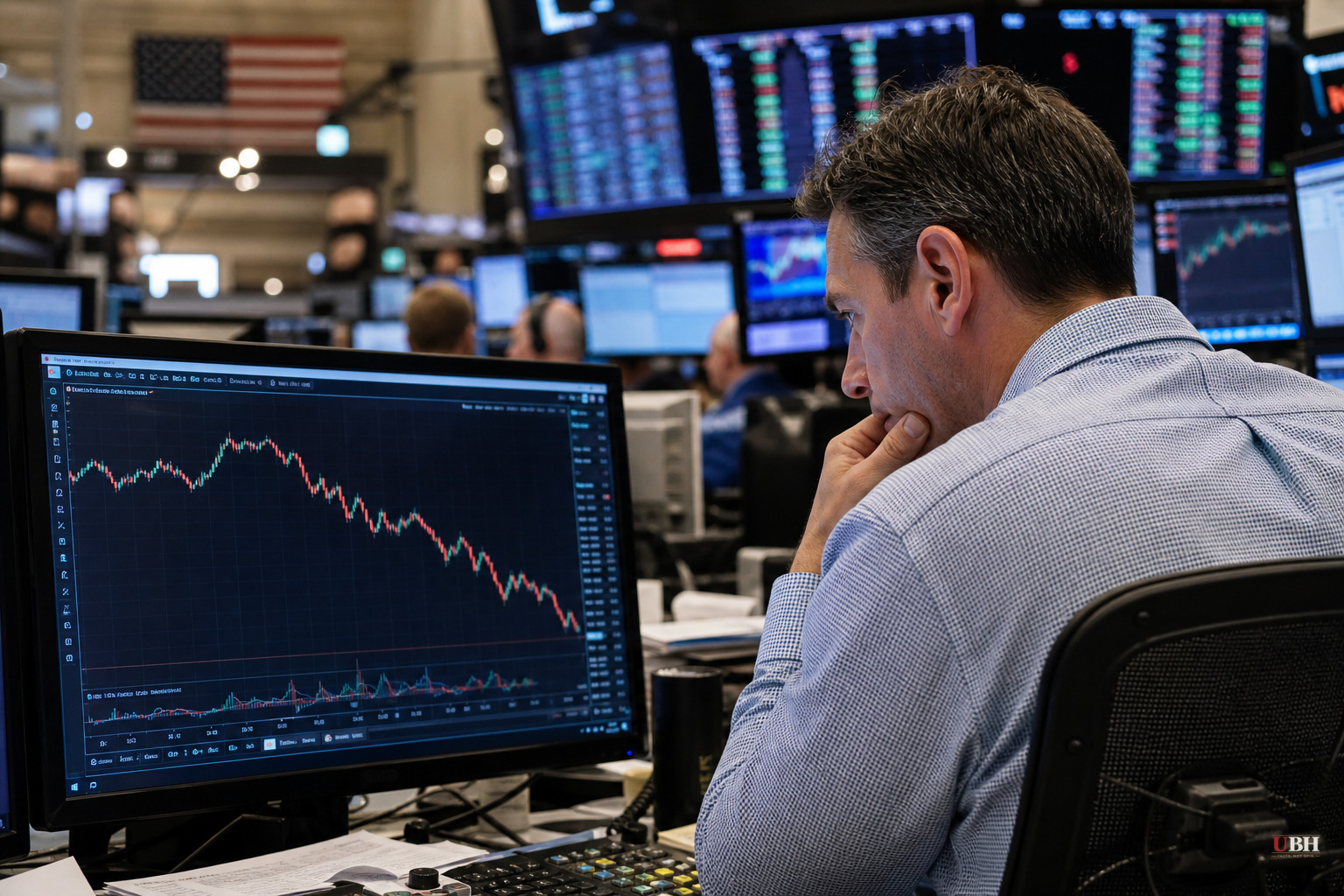
Since Jerome Powell's Jackson Hole speech last week signaled the Fed could cut rates as soon as September, the dollar has kept sliding. The US Dollar Index fell for a third straight session on Monday, dropping below 99.40 to its lowest level since June, according to fxstreet.com and Reuters.
Markets are not pricing in a hike at all anymore. Odds of a September rate hike have collapsed to 30%, down from about 50% just a week earlier, according to CME Group's FedWatch tool cited by both Reuters and Seeking Alpha's Marc Chandler. Traders have stopped worrying about tighter policy entirely.
The data driving this is ugly on the surface. US retail sales fell 0.6% in July, missing expectations of a 0.1% gain and reversing a 0.2% rise in June, according to fxstreet.com. Nonfarm payrolls came in weaker than expected for July. Consumer sentiment "soured by more than expected," Reuters reported. Producer and consumer price figures showed inflation pressures easing, not building.
Together, that's the exact mix Powell flagged at Jackson Hole: a labor market he called "a curious kind of balance," where slowing demand for workers and slowing supply of workers are roughly offsetting each other, but where "the risk of higher layoffs can materialize quickly," in his words, if things tip the wrong way.
Tariffs are still in the inflation picture, but Powell isn't calling it a crisis
Powell didn't pretend tariffs aren't showing up in prices. He said the effects "are now clearly visible" and will "accumulate over coming months, with high uncertainty about timing and amounts," according to his Jackson Hole remarks. The Fed's preferred inflation gauge, the PCE price index, was running at 2.6% annually in June, with core prices up 2.8%. That's above the Fed's 2% target.
But Powell drew a line between a one-time price adjustment from tariffs and an "ongoing inflation problem." He said the real question for policy is whether tariff-driven price hikes bleed into sustained inflation expectations, and he committed to not letting that happen: "we will not allow a one-time increase in the price level to become an ongoing inflation problem," he said.
That's a reasonable position to hold. Anyone worried the Fed is moving too fast to cut, given inflation is still above target, has a legitimate point. A 2.6% to 2.8% inflation reading is not "mission accomplished" by the Fed's own 2% mandate. Cutting rates into that backdrop, on top of tariff effects still working through supply chains, carries real risk if Powell's "one-time adjustment" read turns out wrong.
Trump's pressure campaign is public, not hidden
None of this is happening in a vacuum. President Trump has spent months publicly demanding the Fed cut rates aggressively, and pushed further this past week by urging the Fed board to strip policy authority away from Powell directly, according to Breitbart. Trump has argued high rates are hurting housing and manufacturing.
Powell didn't credit Trump for the shift. He framed it around labor market data and a stated Fed process: "FOMC members will make these decisions, based solely on their assessment of the data and its implications for the economic outlook and the balance of risks," he said. Whether the Fed is bending to political pressure or following pure data-dependence is a fair question with no settled answer yet.
Markets have already moved
Stocks rallied, Treasury yields fell, and the dollar weakened on Powell's Jackson Hole comments, according to Breitbart. That move has extended into this week. The two-year Treasury yield eased to 4.154% Monday, having touched a seven-week low of 4.0977% last week, per Reuters. Ten-year yields slipped to 4.688%. S&P and Nasdaq futures were both firmer Monday morning, with Nasdaq futures up 0.5%, per Reuters.
Gold prices advanced. Brent crude traded near $89.42 a barrel, up 1% Monday after a 6% jump last week tied to Iran tensions, a separate factor from the rate story that's kept oil elevated regardless of Fed moves, according to AMP chief economist Shane Oliver.
The next real test comes with the August S&P Purchasing Managers' Index data this week, which Reuters flagged as the main data point traders are watching to see if the mid-year pickup in business activity holds. Earnings from Home Depot, Target and Walmart this week will also show whether American consumers are actually pulling back or just had one soft July. The Fed's September meeting is the one that will decide whether Powell's Jackson Hole signal turns into an actual cut.
Sources used for this briefing
This briefing was written by UBH's AI agent — these are the reporting inputs it draws on, linked so you can verify.


