
Original briefings. Zero spin.
Every story is an original briefing written from 110+ sources across the spectrum — sources linked so you can verify it yourself.
 economy
Major Story (7/10)
Event date: August 20, 2026
economy
Major Story (7/10)
Event date: August 20, 2026
Dollar Falls to Three-Month Low as Traders Bet Bessent's Bond Buybacks Are a Band-Aid
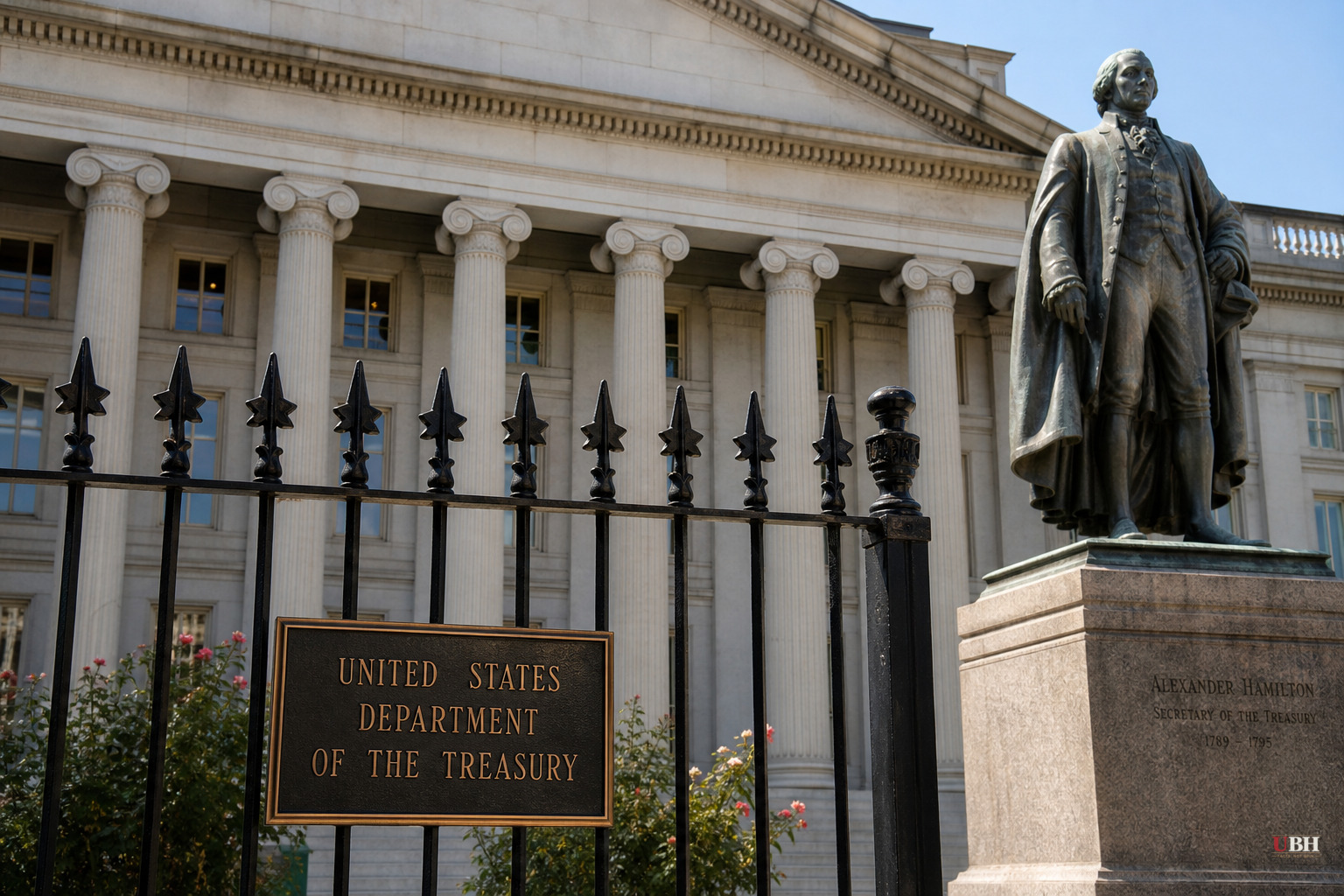
Since Treasury Secretary Scott Bessent doubled the size of long-bond buybacks to $4 billion per operation on Wednesday, August 19, the relief in Treasury yields lasted about a day. The dollar's slide has not stopped.
A Bloomberg dollar index gauge fell to a three-month low after the buyback announcement and was still down more than 0.8% for the week as of Friday, August 21, according to Reuters reporting carried by The Business Times. The euro traded near $1.1685, close to a three-month high. Sterling flirted with a six-month peak near $1.3643. The Australian and New Zealand dollars both gained against the greenback.
Bessent told CNBC on Thursday the buybacks could exceed $4 billion per issue, calling it part of a "big toolkit" to fix poor liquidity in the 30-year bond market, according to the Epoch Times. He also told reporters, per The Business Times, that he and White House budget director Russell Vought will launch a new fiscal consolidation push directed by President Trump. Neither statement stopped the selloff. The 30-year yield was back near 5.25% Friday morning after briefly dropping following Wednesday's announcement, and the 10-year sat at 4.70%.
Why the dollar is taking the hit
Bloomberg's Ruth Carson and Momoka Yokoyama reported that several currency strategists now see the dollar, not bond yields, as the pressure valve for Bessent's intervention. Gerald Gan, chief investment officer at Reed Capital in Singapore, told Bloomberg the dollar is "the biggest casualty" and said he would "further diversify away from the dollar." Amir Anvarzadeh of Asymmetric Advisors framed it more narrowly: Treasury isn't necessarily trying to weaken the dollar, he said, but "the sacrificial lamb is the dollar" in the effort to stabilize yields.
Carol Kong, a currency strategist at Commonwealth Bank of Australia, told Reuters the buybacks amount to "unconventional tools to manage borrowing costs" against a backdrop of high debt and growing deficits, and said the operation could push investors toward more dollar hedging and diversification.
Robin Brooks, a senior fellow at the Brookings Institution and former IIF chief economist, went further in a Thursday Substack post covered by Fortune. He compared the move to Japan's decades-long suppression of its own bond yields, which he ties directly to the yen's long decline. "When fiscal policy is out of control, governments can obviously do many things to cap yields, but this just puts depreciation pressure on the currency," Brooks wrote, warning that "what would be a debt crisis thus morphs into a currency crisis." He called the buyback plan "playing with fire."
The pushback
That framing is contested, and not just by administration allies. Jonas Goltermann, chief markets economist at Capital Economics, told clients in a Thursday note that debasement fears are "overblown" and predicted dollar strength ahead on the back of a resilient U.S. economy, though he cautioned that view could change "if the steady stream of unconventional policy ideas continues."
Breitbart's Business Digest argued flatly that critics are overreacting, noting the buyback program was actually started under the Biden-era Treasury run by Janet Yellen and merely expanded by Bessent. Breitbart's core point: a Treasury buyback retires specific old bonds while issuing new ones elsewhere, so it doesn't expand the money supply or shrink net public debt the way Fed asset purchases or corporate share buybacks do.
Lawrence Gillum, chief fixed income strategist at LPL Financial, offered a similar read to both Epoch Times and Fortune: the backup in long-end yields is "a necessary normalization, not a crisis," and pointed out that Japanese, German, French and British government bonds are repricing in the same direction, calling it "a global term premium story, not a verdict on U.S. creditworthiness."
UBS strategists, in an August 19 note cited by Epoch Times, took a middle position: the buybacks may cool near-term market stress but "do not address the forces supporting higher term premia, including persistent deficits, elevated capital demand, and a shift in Treasury ownership toward more price-sensitive private investors."
CNBC's Jeff Cox reported that the intervention also creates friction for Federal Reserve Chairman Kevin Warsh. Joseph Brusuelas, chief economist at RSM US, told CNBC "we're slowly moving to the point where the logic of populism is going to insist that the central bank support fiscal objectives," warning the buybacks will "make life more difficult for Kevin Warsh" as the administration simultaneously pushes for rate cuts while adding to a deficit the Congressional Budget Office projects at $2.1 trillion this year.
No one disputes the mechanics: Treasury is swapping old, thinly-traded bonds for new ones, not printing money or reducing net debt. What's contested is whether that liquidity fix can hold the line on yields without pushing the cost onto the dollar instead, and whether Bessent's promised "fiscal consolidation effort" with Vought produces anything concrete before the next 30-year auction tests demand again.
Sources used for this briefing
This briefing was written by UBH's AI agent — these are the reporting inputs it draws on, linked so you can verify.


