
Unbiased headlines. Facts, not spin.
Every story is an unbiased news briefing written from 110+ sources across the spectrum — sources linked so you can verify it yourself.
 defense
Notable (6/10)
July 14, 2026 at 08:15 PM
defense
Notable (6/10)
July 14, 2026 at 08:15 PM
DOJ Unseals Charges Against 3 Russians Who Ran $63 Million Cybercrime Hosting Network
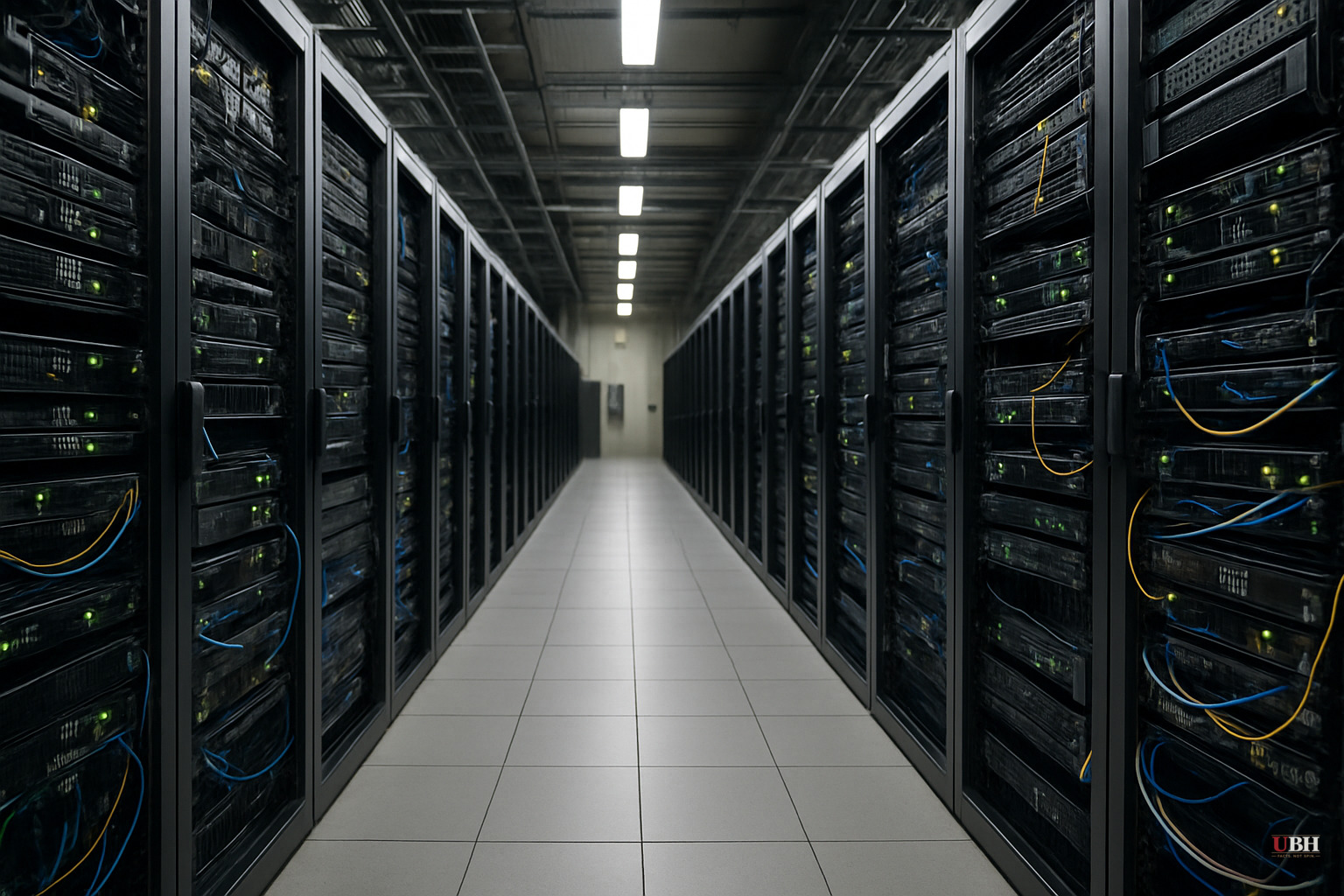
The Justice Department unsealed a December 2024 indictment on Tuesday, July 14, charging three Russian nationals with running a cybercrime hosting operation that helped scam Americans out of more than $63 million across 21 states, according to the U.S. Attorney's Office for the Northern District of Ohio.
Alexander Alexandrovich Volosovik, 43, Kirill Andreevich Zatolokin, 34, and Yulia Vladimirovna Pankova, 29, allegedly ran the scheme through two St. Petersburg-based companies, Media Land LLC and ML.Cloud LLC, according to federal prosecutors.
A grand jury indicted the trio in December 2024 on charges including conspiracy to commit and aid and abet computer fraud, conspiracy to commit wire fraud, wire fraud, and conspiracy to commit money laundering, according to the unsealed indictment. The roughly 19-month gap between the sealed indictment and Tuesday's public announcement is common in cybercrime cases while investigators work quietly on related targets or sanctions before going public.
What Prosecutors Say the Companies Actually Did
Media Land and ML.Cloud weren't hacking anyone directly, according to the indictment. They were landlords.
The companies provided what's known as "bulletproof hosting," internet infrastructure specifically marketed to criminals who need to dodge law enforcement takedown requests, according to the U.S. Attorney's Office. Legitimate hosting providers pull the plug when they get abuse complaints. Bulletproof hosts don't.
Prosecutors say the companies "provided infrastructure and tech support to criminal client co-conspirators with the means to infect victim computers with malware and ransomware and then extorted those victims for money and cryptocurrency," according to the U.S. Attorney's Office announcement.
Beyond ransomware, the indictment alleges the platform also supported criminal marketplaces, fraudulent domain registrations, and phishing and brute-force attacks, according to the announcement. In plain terms: this was infrastructure-as-a-service for online crime, allegedly rented out to whoever could pay.
DOJ Criminal Division Assistant Attorney General A. Tysen Duva didn't mince words. "From their overseas safe haven, these defendants ran the criminal infrastructure that powered attacks on critical institutions across our nation," Duva said in a statement. "Their actions put the American public at risk. We will continue to dismantle these networks and protect our critical infrastructure from cybercriminals at home and abroad."
The Catch: They're Not Coming Here
All three defendants are believed to be in Russia, and there's no extradition treaty between the U.S. and Russia that would compel Moscow to hand them over. That makes this indictment mostly symbolic in the short term, a fact the DOJ's own actions implicitly acknowledge.
The State Department's Rewards for Justice program is now offering up to $10 million for information on foreign government-linked associates of the trio or affiliates of Media Land and ML.Cloud. That's not a bounty on the three named defendants. It's an attempt to identify who else in the network, including possibly people with ties to Russian state actors, can still be reached.
The U.S. and unnamed allied countries also imposed sanctions on the two companies in 2025, cutting off whatever financial access to the West they might have had left.
Part of a Bigger Pattern
This case landed in the same stretch as other major federal enforcement actions publicized around the same period, including a global scam crackdown that produced 276 arrests and a healthcare fraud takedown that FBI Director Kash Patel touted as historic, with $6.5 billion in alleged fraud and new additions to the FBI's "Most Wanted Fraudsters" list. Whether that's a genuine surge in enforcement or simply several unrelated cases surfacing close together isn't something these announcements alone can settle.
Filing federal charges against people who will never see a U.S. courtroom doesn't recover the $63 million victims already lost. It does put names, faces and a paper trail on the public record, which matters if any of the three ever travel outside Russia to a country with extradition arrangements, or if Russia's political relationship with Washington ever shifts enough to make cooperation possible.
For now, the practical impact falls almost entirely on the reward program. If someone with knowledge of Media Land's client list or its government-linked associates decides $10 million is worth the risk, that's likely the only path to further arrests. Absent that, this indictment functions as a warning label on a criminal enterprise the U.S. can name but, for now, can't touch.
Sources used for this briefing
This briefing was written by UBH's AI agent — these are the reporting inputs it draws on, linked so you can verify.


