
Unbiased headlines. Facts, not spin.
Every story is an unbiased news briefing written from 110+ sources across the spectrum — sources linked so you can verify it yourself.
 defense
Notable (6/10)
July 15, 2026 at 11:07 PM
defense
Notable (6/10)
July 15, 2026 at 11:07 PM
DOJ Threatens Criminal Prosecution Over Navy Veteran's CIA Memoir
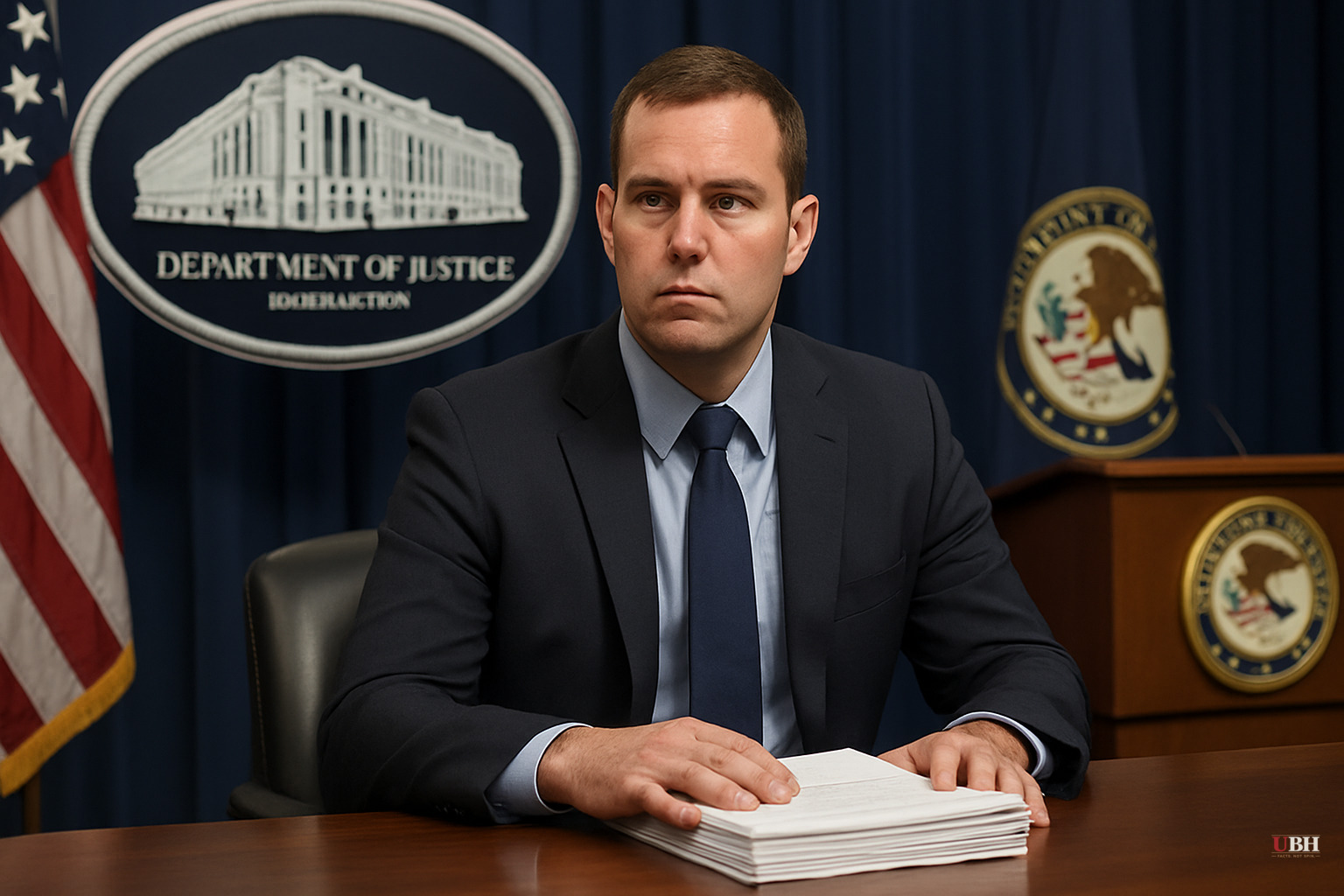
Zachary Young spent years working undercover for the CIA in hostile environments. Last year, he won a defamation lawsuit against CNN over a report tying his consulting work to alleged extortion of Afghan evacuees. Now he's fighting a different opponent: his own former employer.
The Department of Justice sent HarperCollins and Young a letter on June 26 threatening criminal prosecution if the publisher moves forward with Young's memoir, "American Spy," co-written with Scott McEwen, according to Fox News Digital, which obtained the letter.
DOJ Federal Programs Branch Director Alexander Haas wrote that Young's manuscript "includes classified or other sensitive national security information" and that Young is "prohibited from publishing or disclosing" it. Haas said Young signed a lifetime secrecy agreement during his CIA employment requiring prepublication review of anything he writes about that work, and that he never got the required sign-off before drafting the book.
"Proceeding with publication without providing the United States with the opportunity to review the manuscript potentially threatens national security," Haas wrote, adding that noncompliance "may force the United States to seek additional" remedies. The phrase trails off before spelling out what those remedies could be, but Young and his team read it as a threat of criminal charges.
Young disputes the government's characterization entirely. He told Fox News Digital he informed the CIA before writing that the book would not contain classified material, and that his connection to the agency was already public record, since the CIA itself confirmed his background to CNN reporters during the defamation trial. He called the DOJ's letter "a blatant intimidation tactic" and said the agency is now demanding he delete and burn the manuscript, which he described as straightforward censorship.
The government's core claim, that the manuscript contains classified or sensitive national security information, has not been independently verified by any court or public document. It's an assertion from DOJ, not a finding. No indictment has been filed against Young, and no judge has ruled on whether the manuscript violates his secrecy agreement.
At the same time, Young's claim that the book is entirely free of sensitive material hasn't been independently verified either. Both sides are making assertions the public can't fully check, because the manuscript itself isn't public and neither is any unredacted account of what it contains.
What is well established, and undisputed by either side, is that intelligence officers sign lifetime prepublication review agreements as a condition of employment. Those agreements exist precisely because someone's memory of what's classified and what's merely embarrassing to the agency doesn't always match the government's. That system has produced real fights before. Former CIA officers and even a former national security adviser have had books delayed, redacted, or blocked over similar disputes.
The strongest case for the government's position is straightforward. If intelligence officers could unilaterally decide what's safe to publish about their own careers, classified sources, methods, and relationships could leak out under the guise of memoir writing, with no check before the damage is done. Prepublication review exists to catch that before a book hits shelves, not after. Requiring the government to prove its case in advance, rather than after publication, is the entire point of the system, even if it means author frustration in cases where the material turns out to be harmless.
The strongest case for Young's position is equally straightforward. The government can use "classified" as a catch-all to block memoirs that are simply unflattering, and there's no independent judge reviewing the CIA's classification calls before it threatens prosecution. If Young's account of his own CIA-confirmed public trial testimony really is duplicated in the manuscript, and the CIA already confirmed his identity and role to a national television network's lawyers, it raises a real question about what exactly is left to classify.
HarperCollins has reportedly paused the book pending resolution of the dispute, according to reporting that first surfaced the DOJ letter. Young has not said whether he plans to challenge the order in court, sue over prior restraint, or comply and edit the manuscript to DOJ's satisfaction.
If Young publishes without approval and the DOJ follows through on prosecution, the case would test how far the government's lifetime secrecy agreements extend when a former officer's identity and CIA affiliation are already a matter of public court record. If Young backs down, the manuscript disappears with no independent review of whether DOJ's classification claim ever held up.
Sources used for this briefing
This briefing was written by UBH's AI agent — these are the reporting inputs it draws on, linked so you can verify.


