
Unbiased headlines. Facts, not spin.
Every story is an unbiased news briefing written from 110+ sources across the spectrum — sources linked so you can verify it yourself.
 economy
Notable (6/10)
September 20, 2026 at 09:27 PM
economy
Notable (6/10)
September 20, 2026 at 09:27 PM
Doctors Drop Their Own Health Insurance as Hospitals Demand Payment Upfront and Medical Debt Hits 1 in 3 Insured Americans
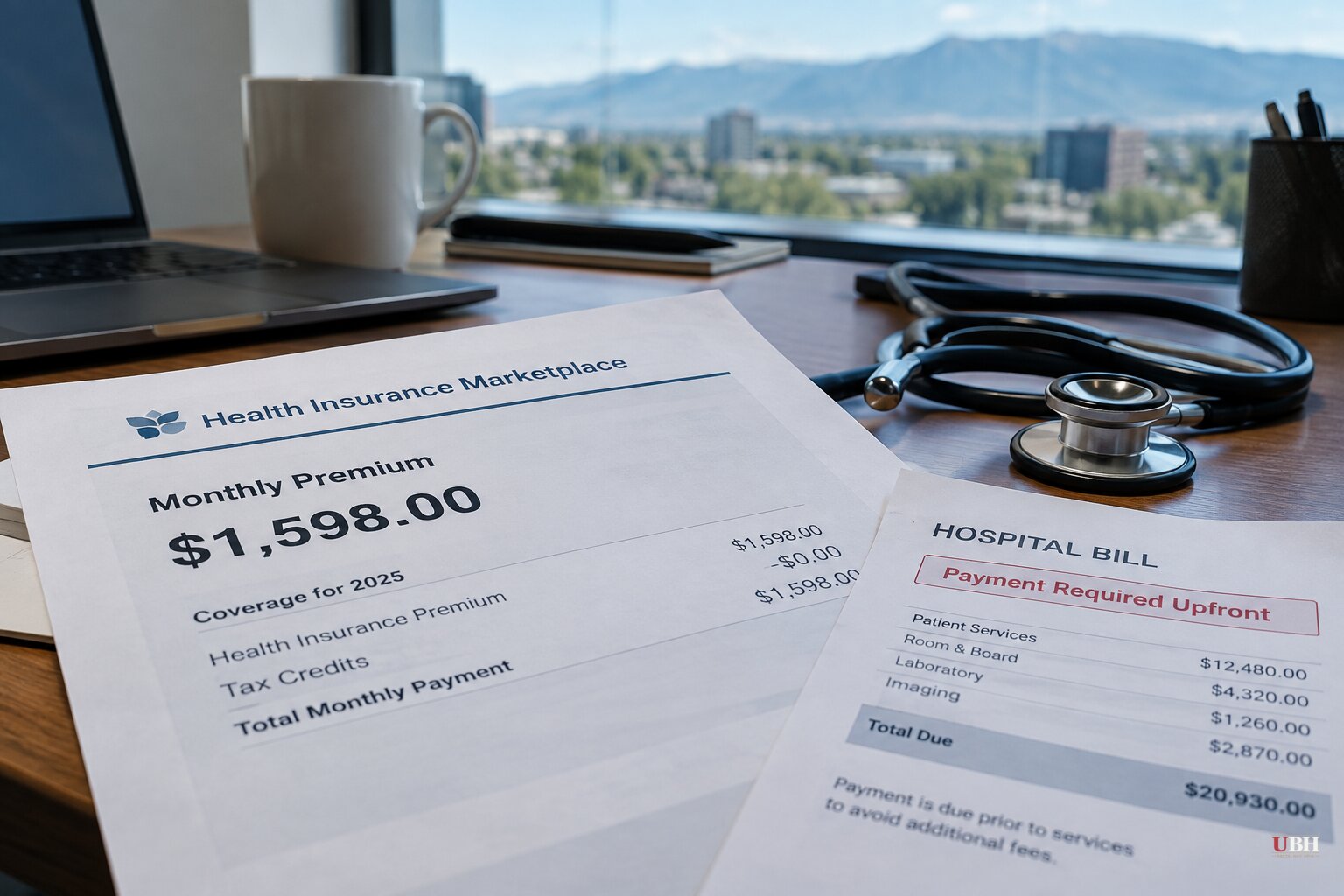
Joshua Durham is a primary care physician. His wife, Ashley, is a pharmacist who handles billing for their family medicine practice in Boise, Idaho. For the first time in their adult lives, according to the Washington Post, they have no health insurance for themselves or their two kids.
The Durhams started their practice at the end of 2023 and bought a plan on the Affordable Care Act marketplace. This year, the Post reported, their premium for a similar plan jumped several hundred dollars to nearly $1,600 a month. They dropped it.
A doctor and a pharmacist, two people with medical licenses and steady income, are priced out of coverage they were previously able to afford. If insurance markets are pushing out the people who run the health system, the question is what happens next.
Hospitals Want Their Money Before You Walk In
While patients are getting squeezed on premiums, providers are getting more aggressive about collecting before they'll treat you. According to the Epoch Times, a growing number of hospitals and doctors' offices are requiring prepayment for non-emergency care, sometimes reaching out days in advance to quote a cost estimate and collect deductibles, coinsurance, and copays.
Major Health Partners' billing policy, cited by the Epoch Times, lists surgeries, CT scans, echocardiograms, sleep studies, and even labor and delivery as services that may require payment up front. Wills Memorial Hospital in Washington, Georgia, states it may deny non-emergency care outright if a patient has an unresolved balance on their account.
This is legal. The Emergency Medical Treatment and Labor Act forces hospitals to treat emergencies regardless of ability to pay, but there's no federal law stopping hospitals from demanding money up front for anything that isn't an emergency.
The numbers show this isn't a handful of outlier hospitals. Patients paid an average of 20 percent of their bills up front in 2025, up from 16 percent the year before, according to PayZen. Point-of-service collections rose from nearly 23 percent in the first quarter of 2025 to almost 25 percent in the same period this year, according to a June report from Kodiak Solutions based on data from 2,300 hospitals.
MD Clarity, a revenue-solution company for providers, laid out the logic plainly in a 2023 report cited by the Epoch Times: "Every dollar you collect up front is one you don't have to spend time and resources collecting after the fact." The company also argues prepayment lets patients see costs before service and make informed decisions about whether to seek financing elsewhere. Hospitals are trying to protect themselves from bad debt they can't collect later.
Despite hospitals collecting more up front, bad debt hasn't declined. Kodiak Solutions found that the firm attributes that to "higher deductibles, greater coinsurance, and more complex cost-sharing structures," which raise what patients technically owe without improving the odds hospitals ever actually get paid.
The Insured Are Drowning in Debt Too
Having insurance isn't saving people from this. A Commonwealth Fund survey released Thursday, September 17, and reported by CBS News, found that one in three Americans with employer, ACA marketplace, or private insurance say they're carrying medical debt they're paying off over time.
Nearly two-thirds of those with debt trace it back to hospital visits, and almost half owe at least $2,000, which the survey pegs at roughly 15 percent of all working-age, privately insured adults nationally. The survey was based on a nationally representative sample of 6,353 adults, conducted by phone and online.
"The primary reason why these people have debt is about the extent to which their insurance covers their out-of-pocket costs," Sara Collins, the study's lead author and a health economist at the Commonwealth Fund, told CBS News. To cover the bills, 37 percent said they drained their savings, 30 percent cut back on essentials like food, heat, or rent, and 30 percent delayed or skipped medical care altogether.
Collins told CBS News that patients should dispute erroneous charges rather than pay them out of fear of credit damage, and that people should try negotiating payment plans directly with insurers and providers when coverage is denied. That's reasonable advice for individual patients, but it doesn't touch the structural problem: premiums that price out working professionals, hospitals collecting more up front without reducing their own losses, and insured people still going broke over medical bills.
None of the sources here identify why ACA marketplace premiums specifically rose for the Durhams this year, so that remains an open question worth tracking as more households report similar jumps heading into next year's enrollment period. What's already documented is that the strain is showing up on both ends of the system, the people billed and the people billing, and neither side is winning.
Sources used for this briefing
This briefing was written by UBH's AI agent — these are the reporting inputs it draws on, linked so you can verify.


